The Future of Critical Infrastructure Protection at ICCECIP 2025
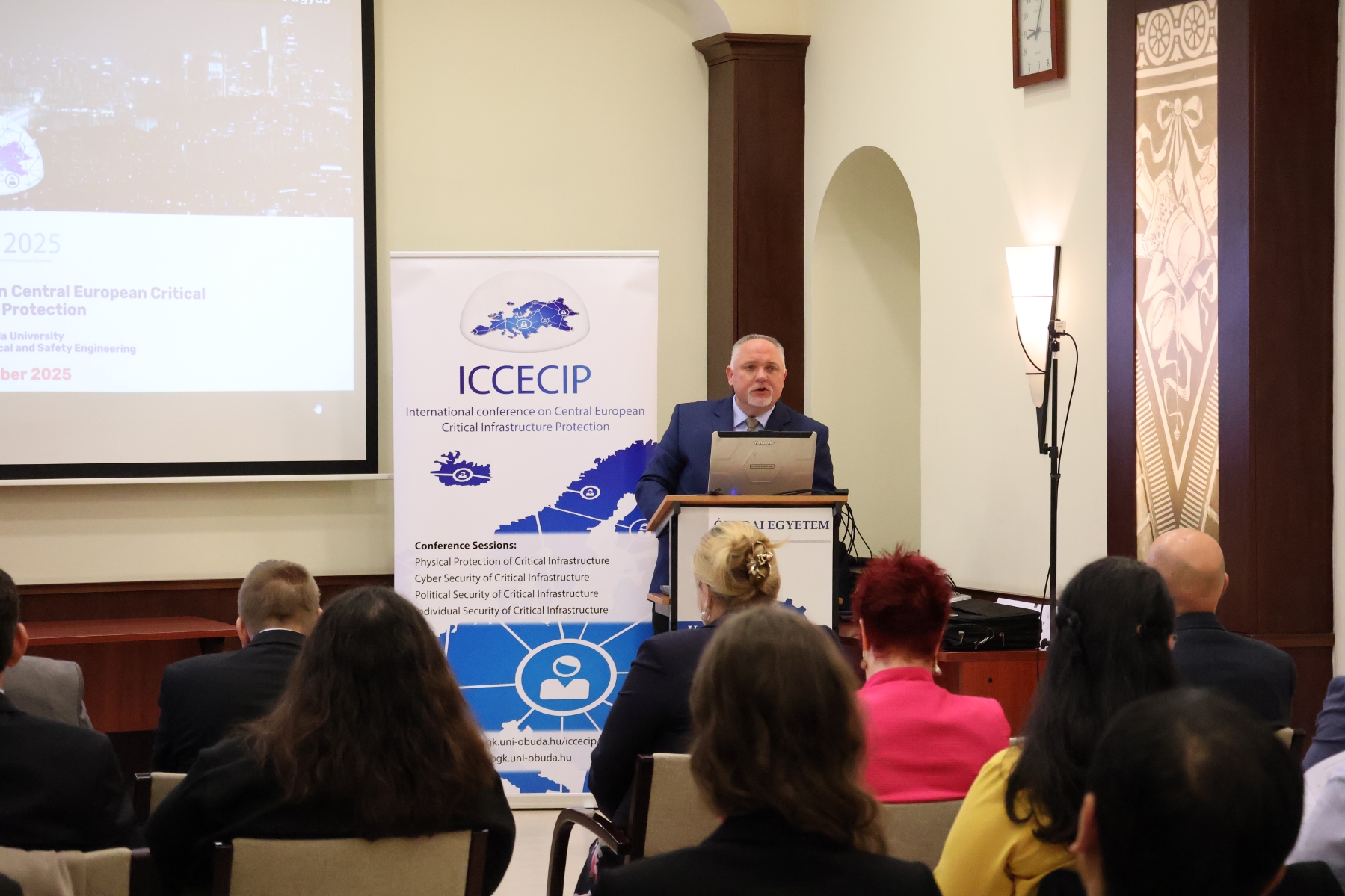
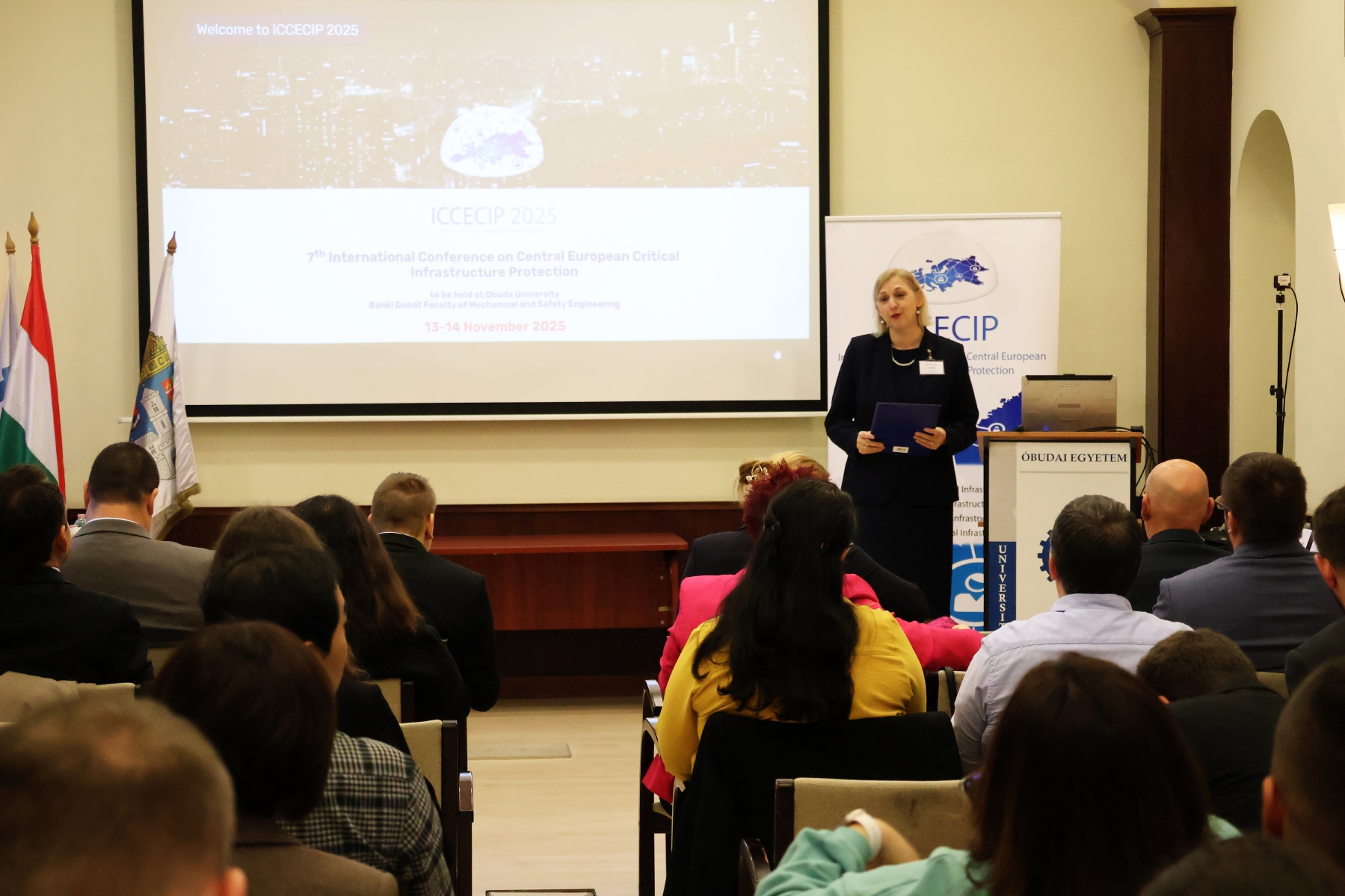
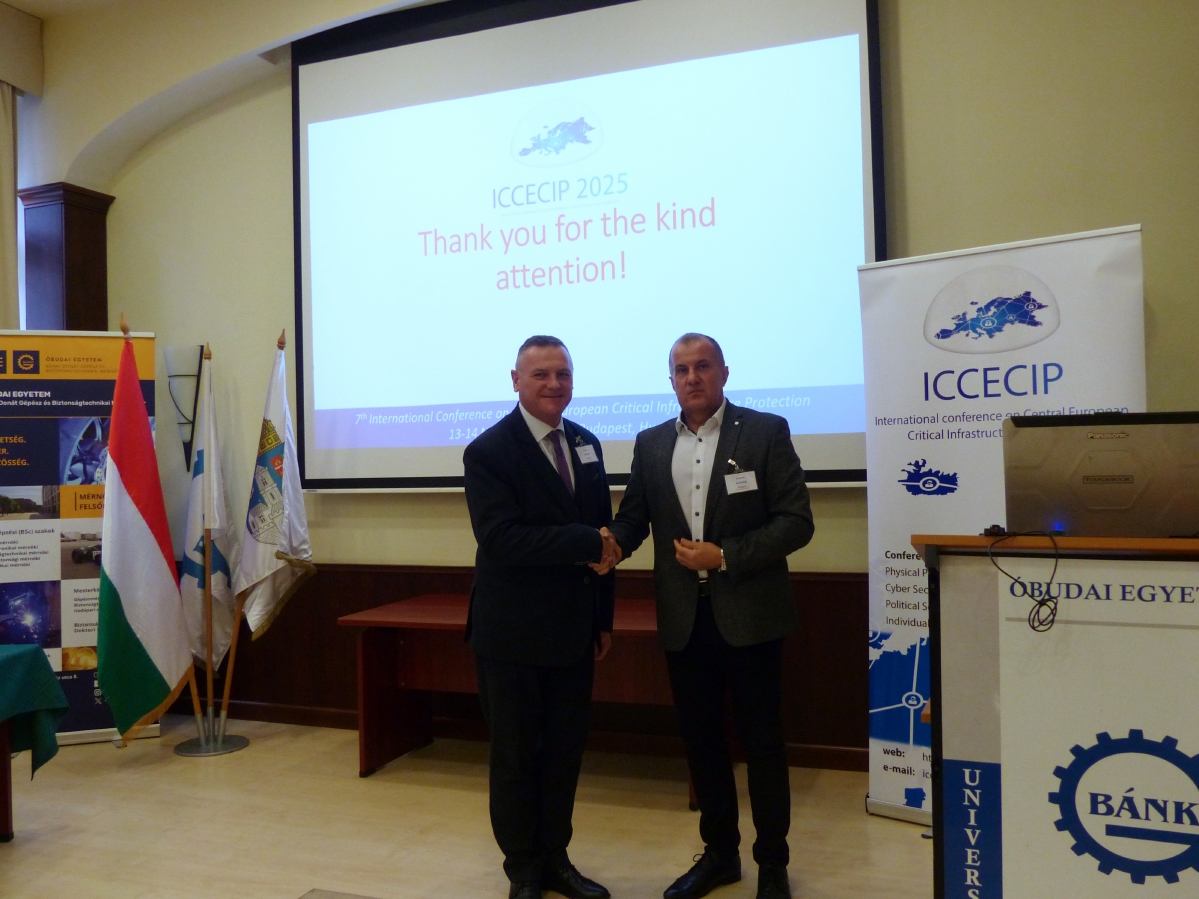
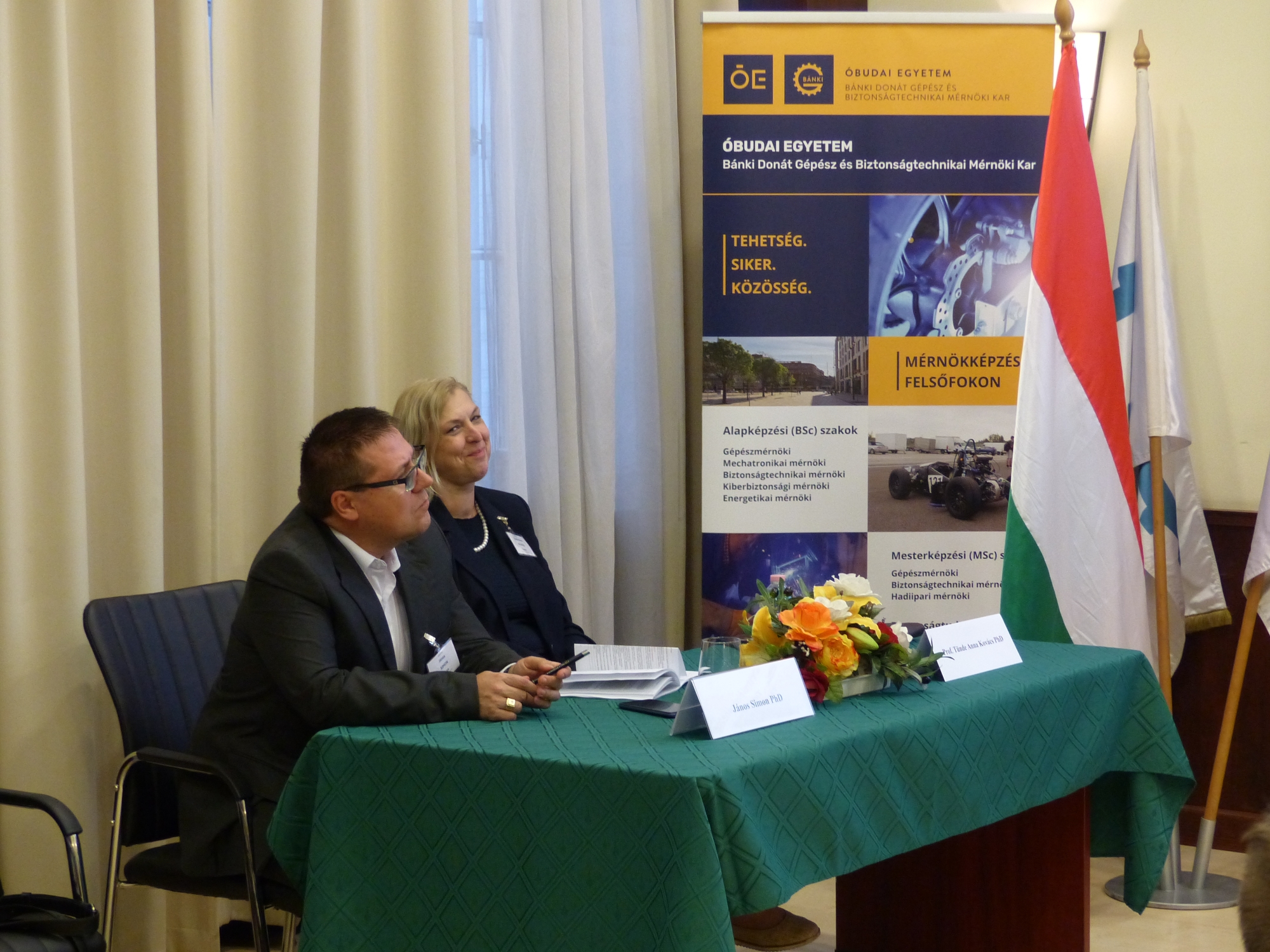
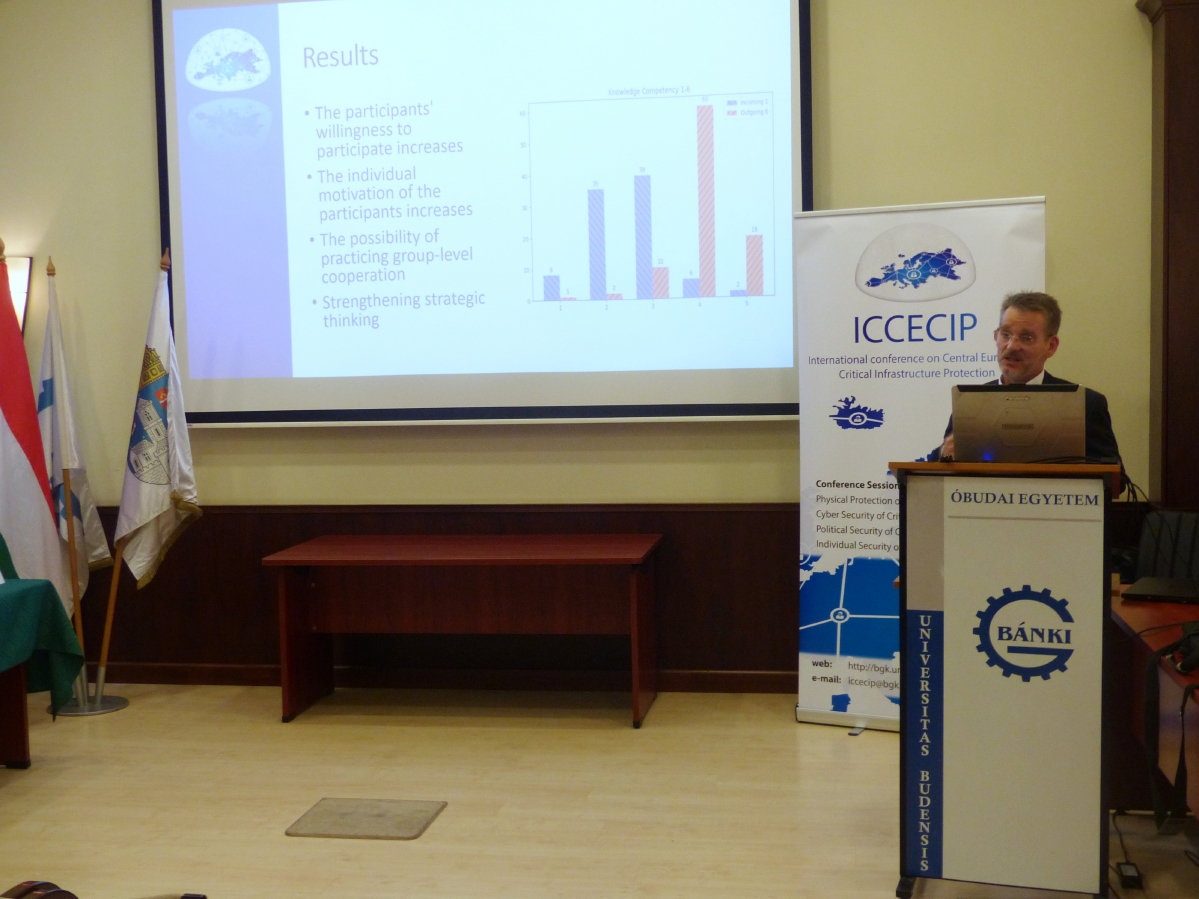
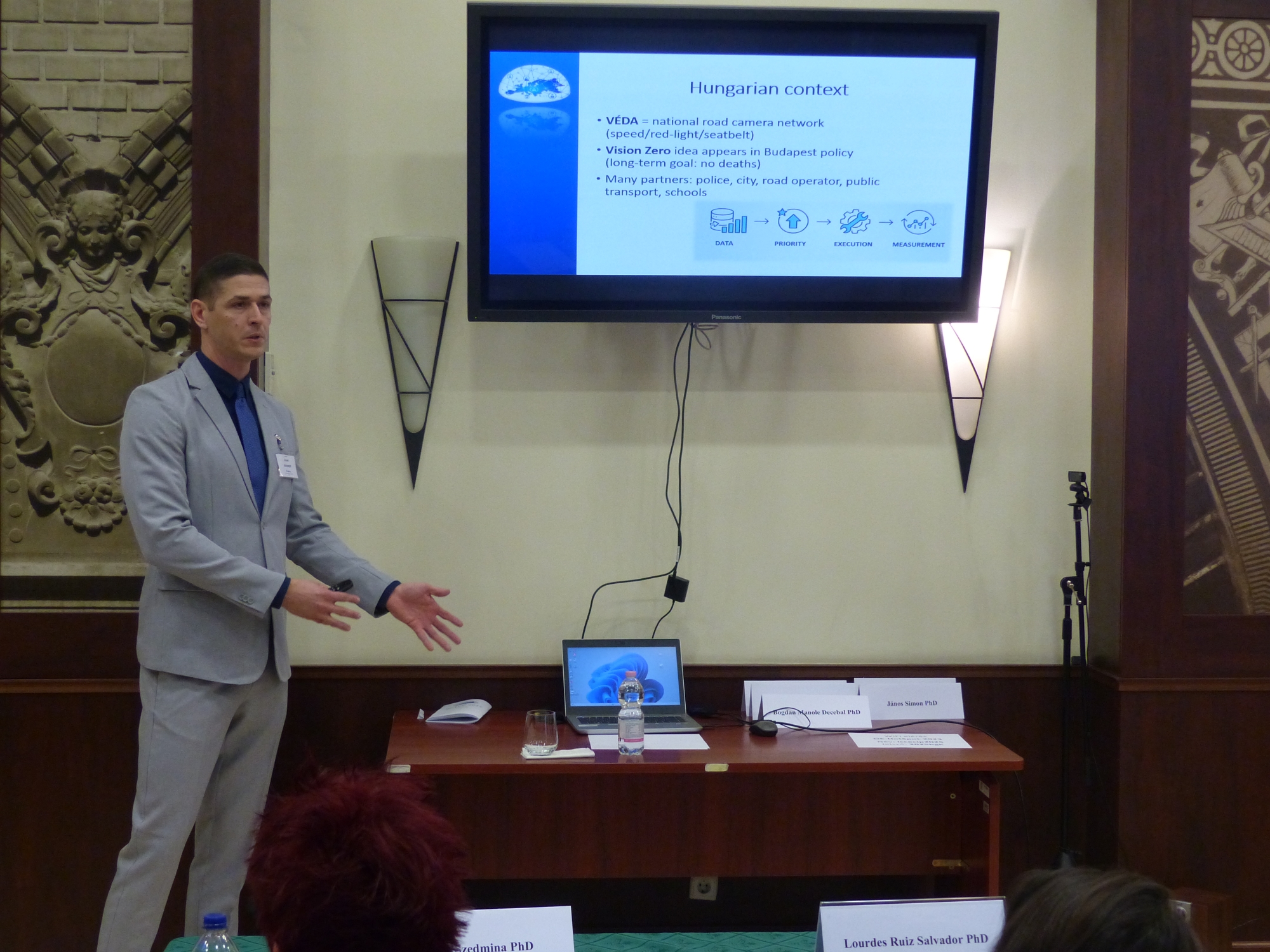
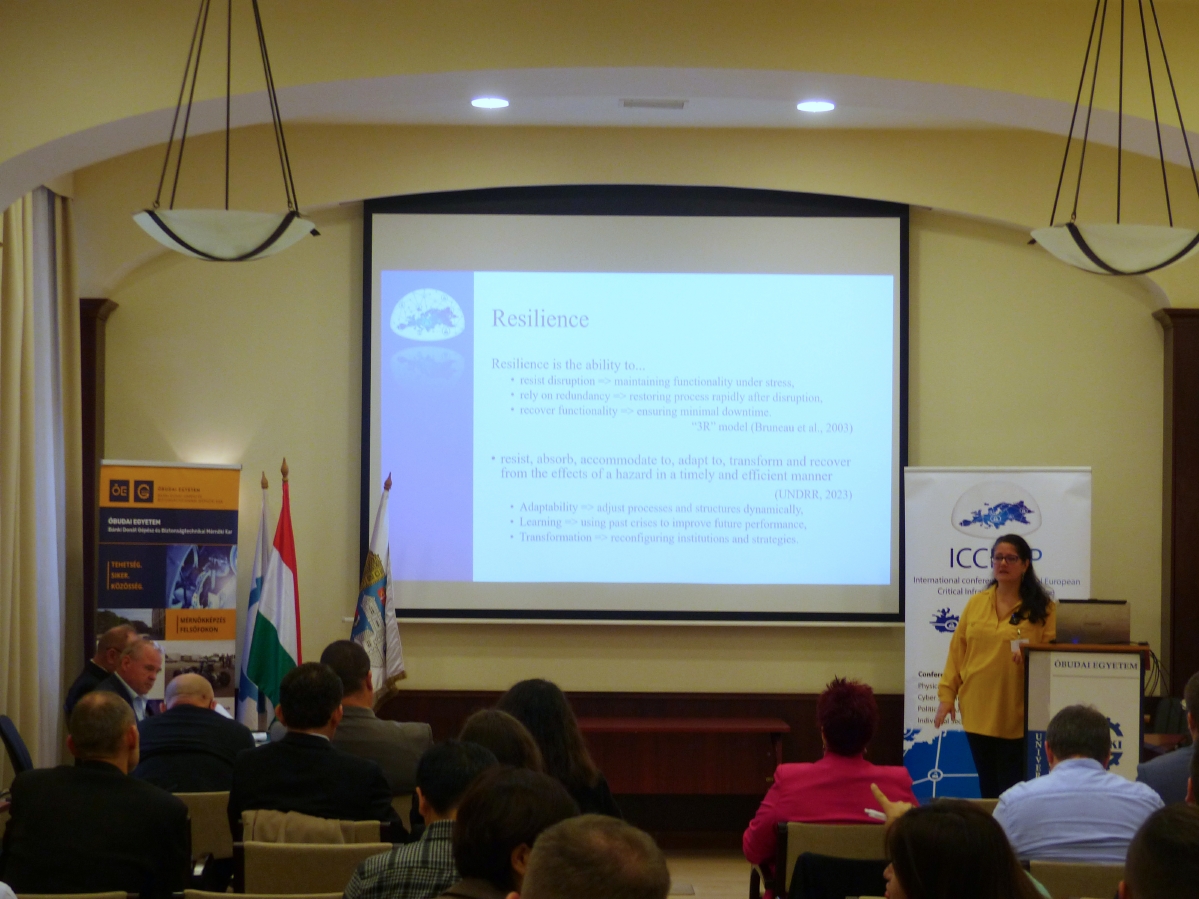
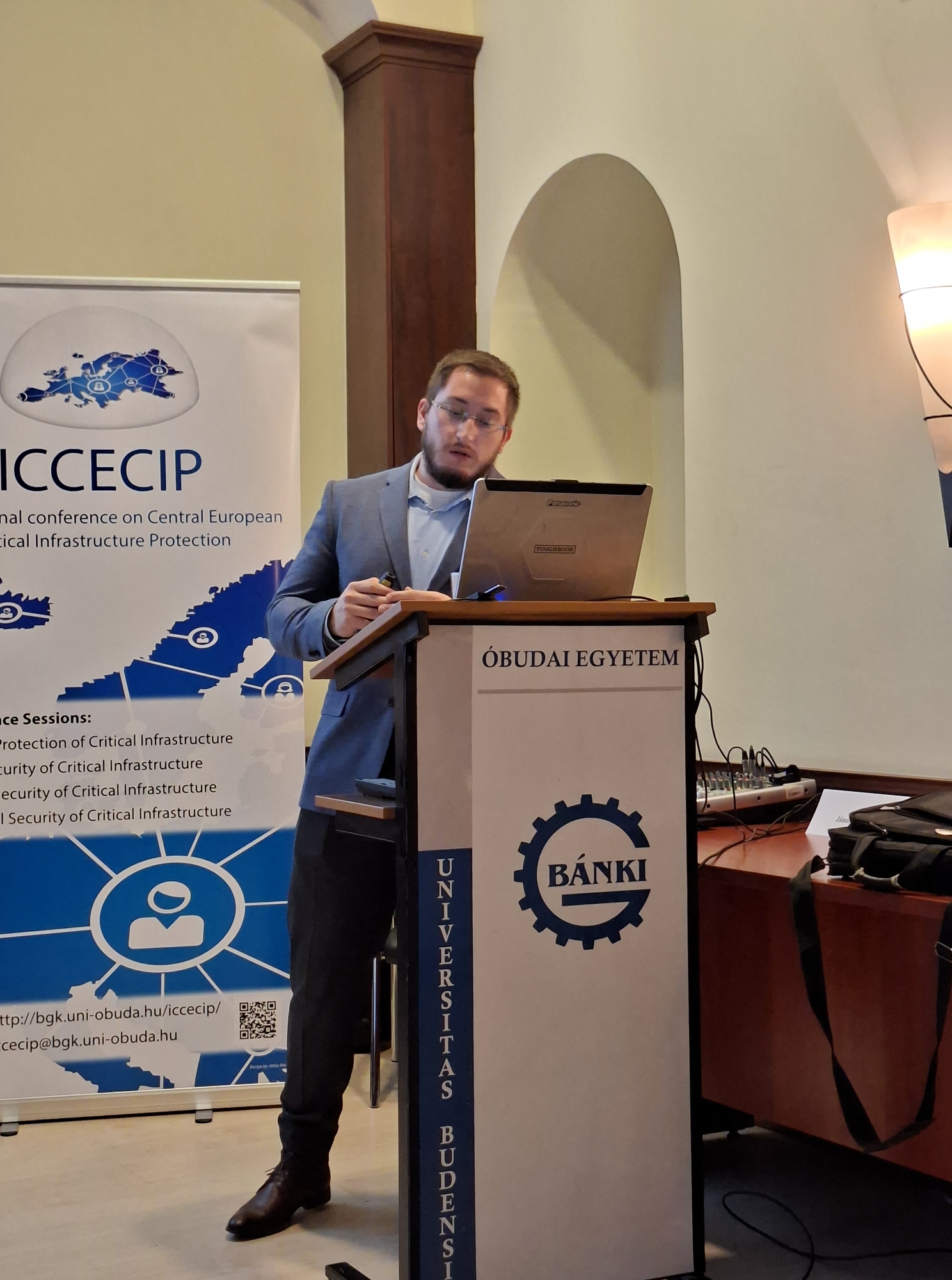
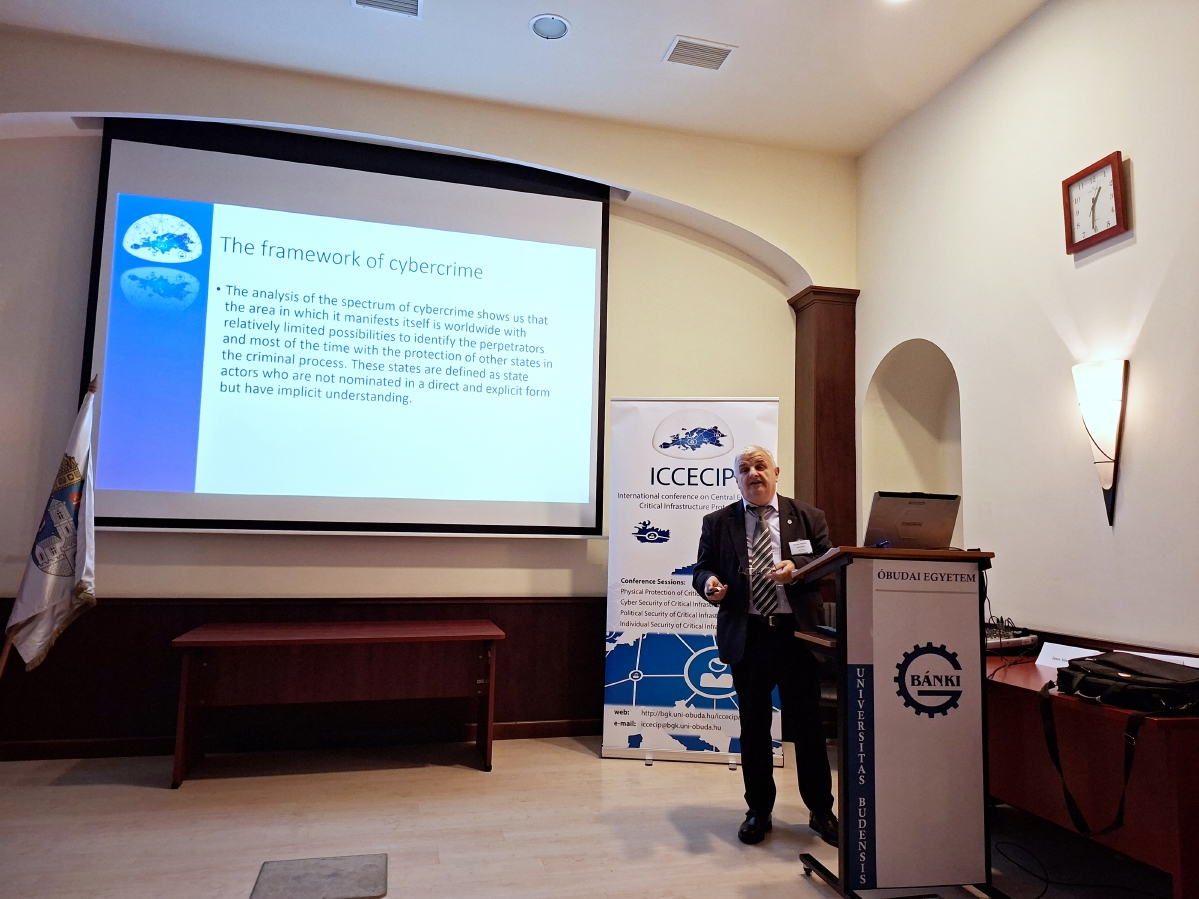
The Bánki Donát Faculty of Mechanical and Safety Engineering at Obuda University once again became an international scientific hub on 13–14 November 2025, hosting the 7th International Conference on Central European Critical Infrastructure Protection (ICCECIP 2025). The event attracted high-level interest both domestically and internationally, reaffirming the university’s prominent role in the field of critical infrastructure protection. The conference’s motto, “Advanced Technologies for the Critical Infrastructure Protection”, reflected the main focus of this year’s program: emerging technologies, artificial intelligence, quantum technologies, and interdisciplinary security approaches were emphasized throughout the event.
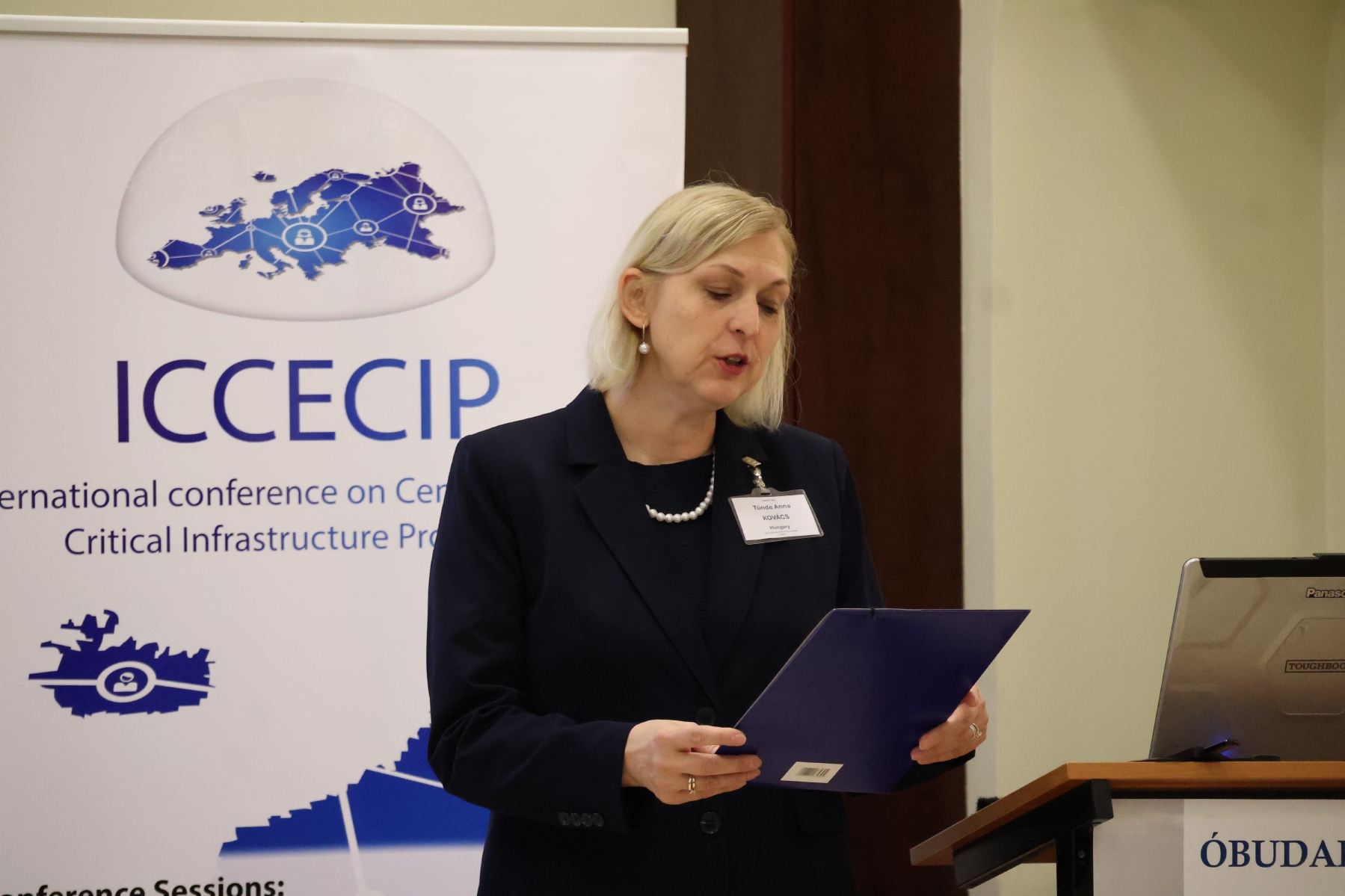
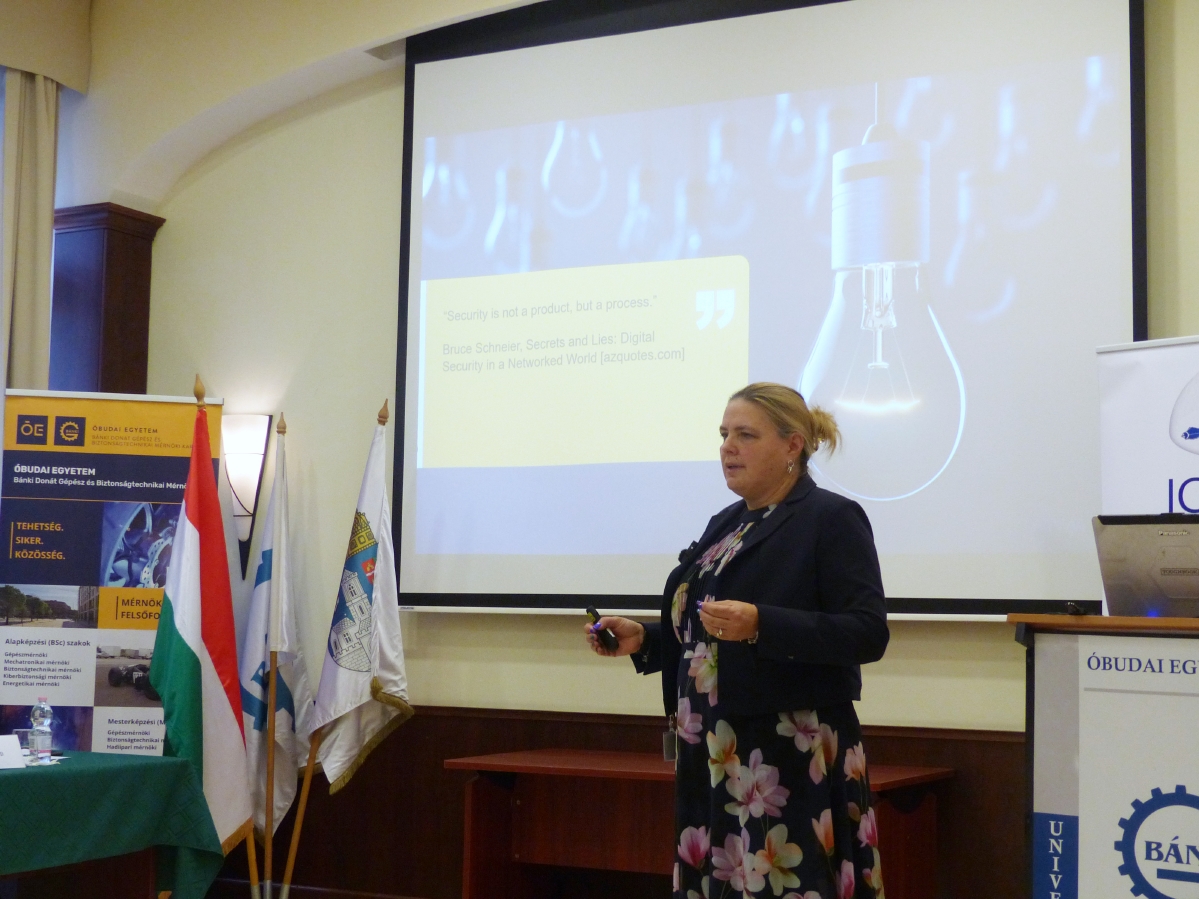
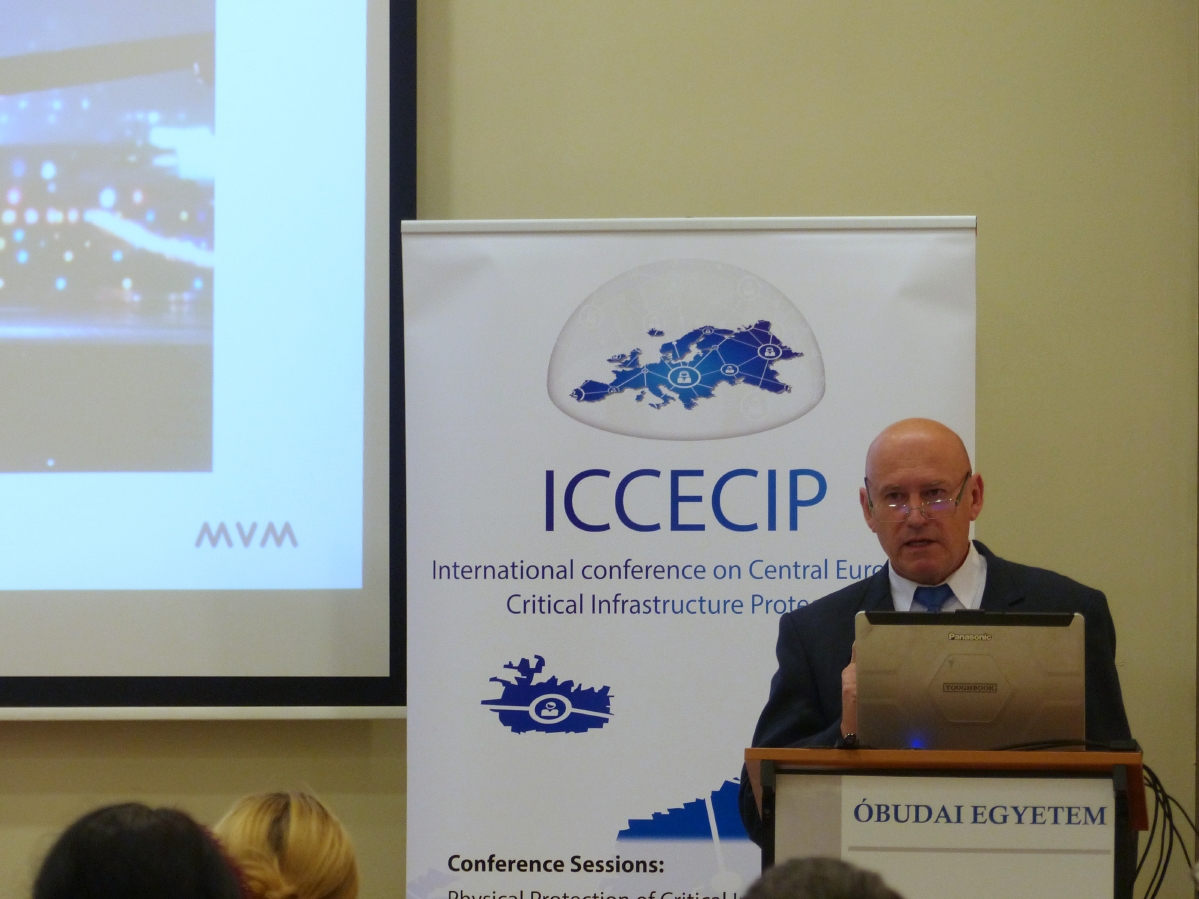
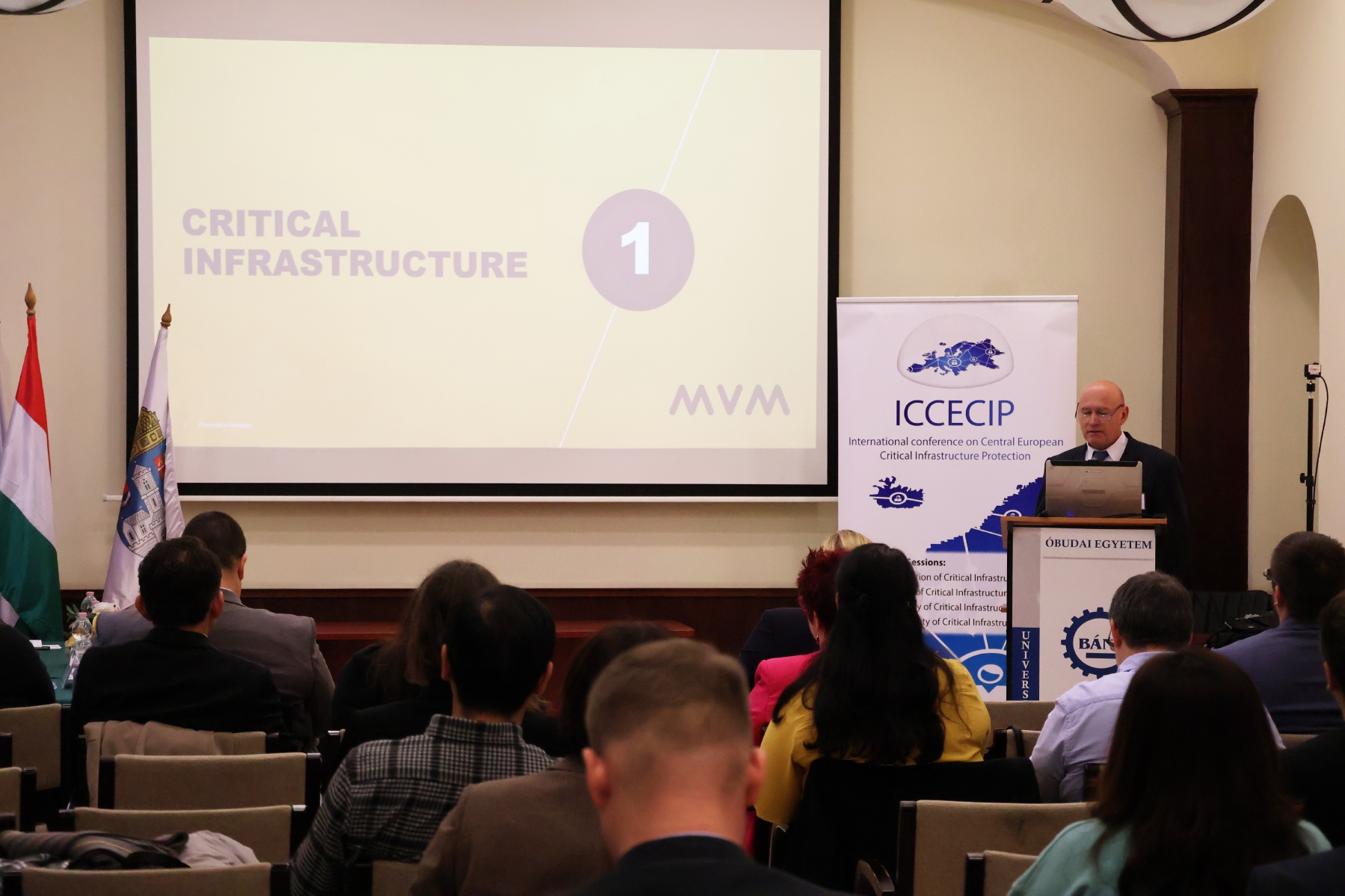
The conference was held under the patronage of Dr. Zsolt Kutnyánszky, Secretary of State for Force Development and Defense Policy at the Ministry of Defense. Prof. Dr. Tünde Anna Kovács, Conference Chair, officially opened the event. In her opening remarks, Dr. habil. Tibor Farkas, Dean of the Faculty, highlighted that ICCECIP has become one of the Bánki Faculty’s most important international scientific events, bringing together and advancing security research across the region. The conference was supported by MVM, whose representatives delivered the first plenary lecture.
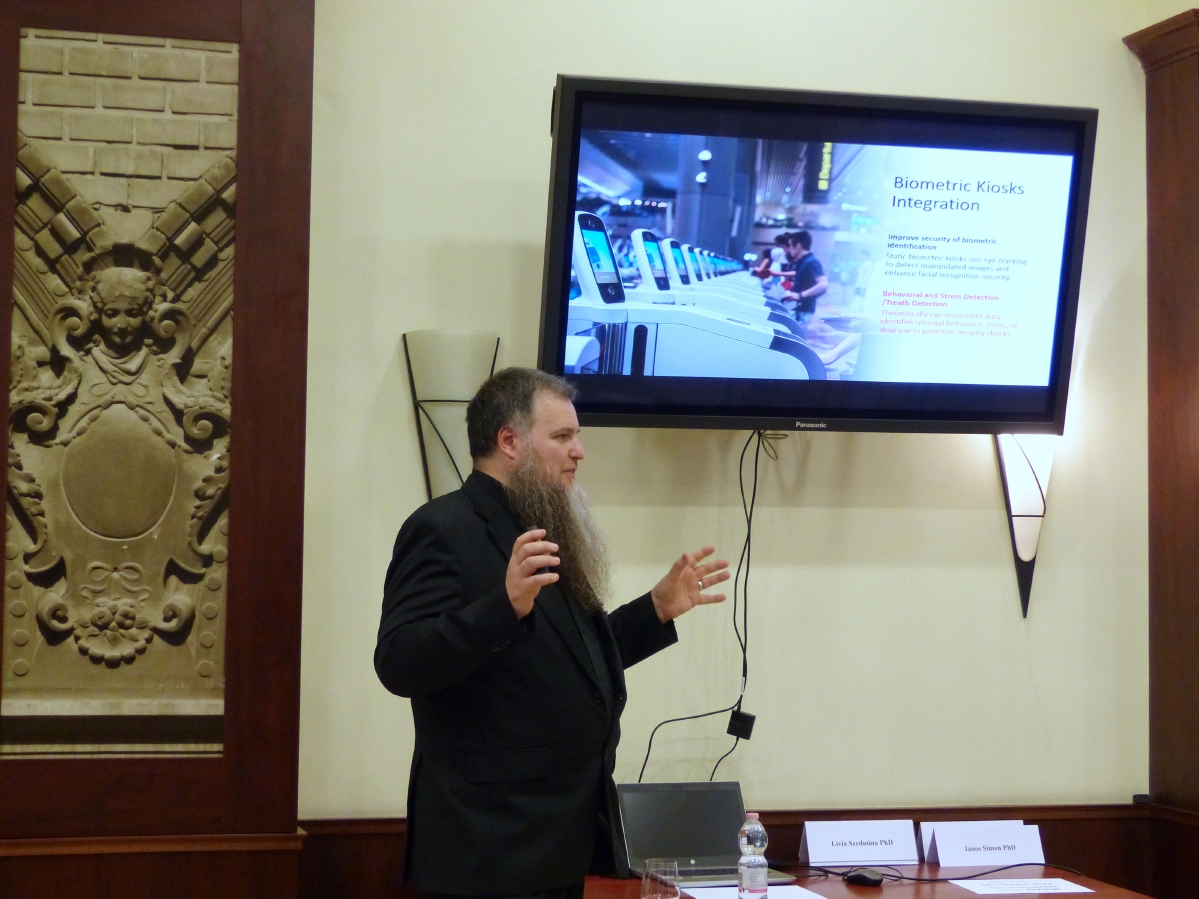
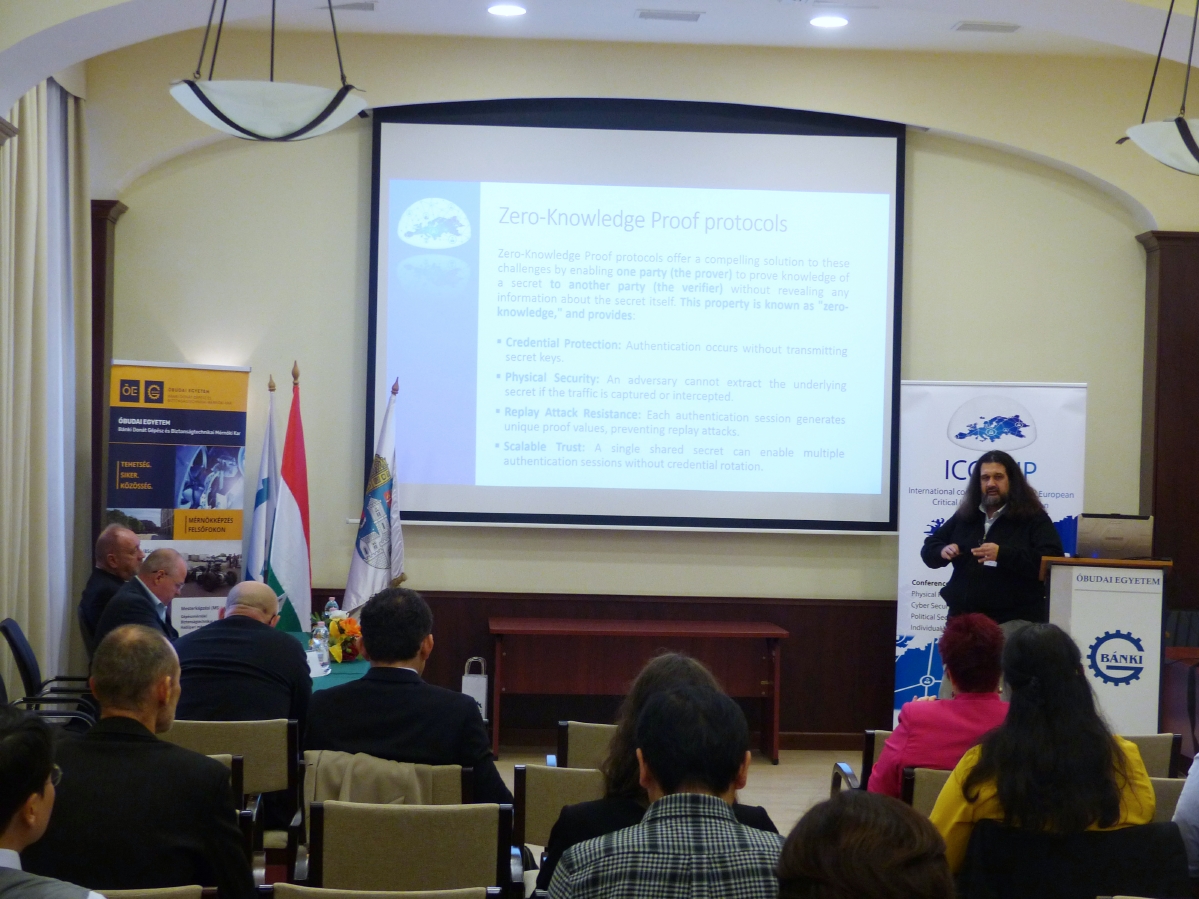
Key themes from the plenary sessions included new challenges in cyber protection of energy networks, the identification of human-centered cyber threats (such as digital manipulation and grooming), and the application of quantum-secure communication and authentication protocols in critical infrastructure. The event also emphasized regional diversity and the introduction of new perspectives.
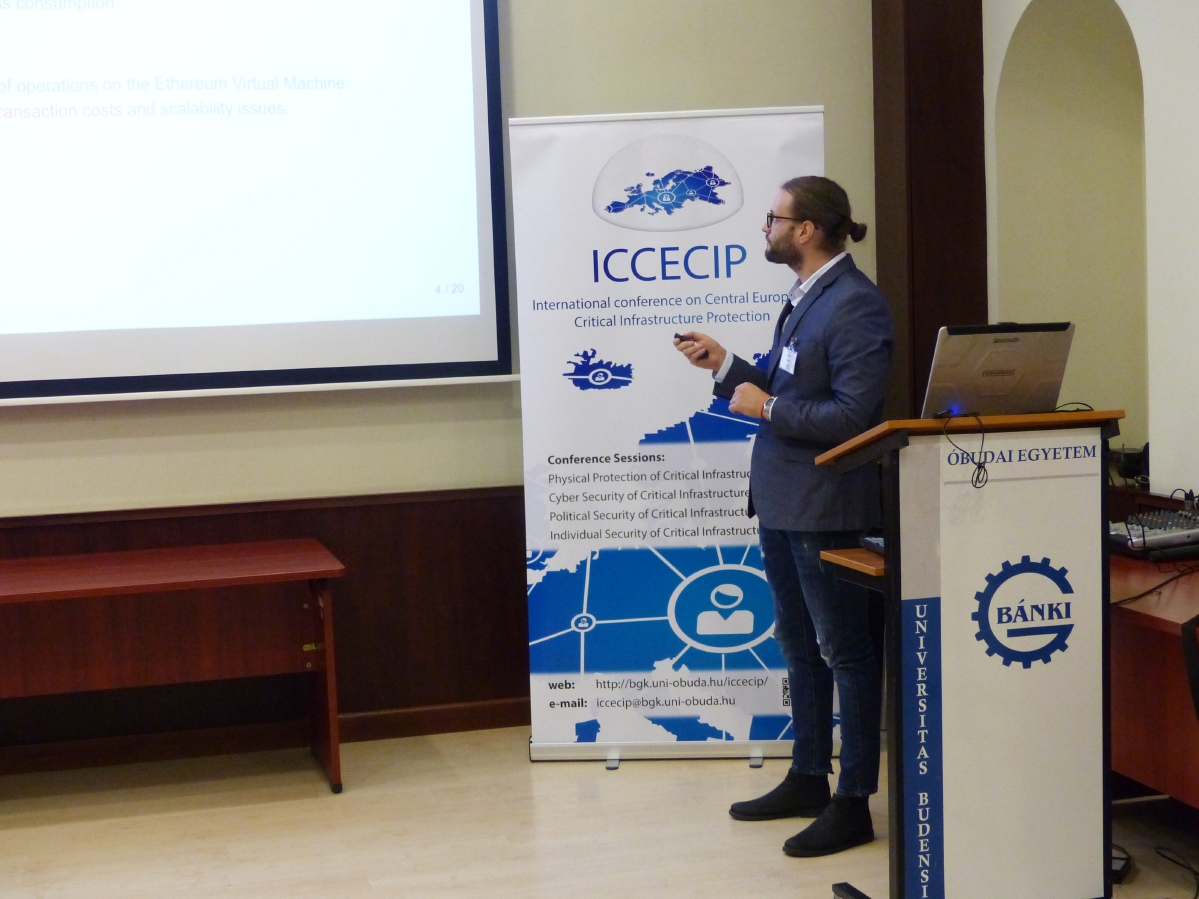
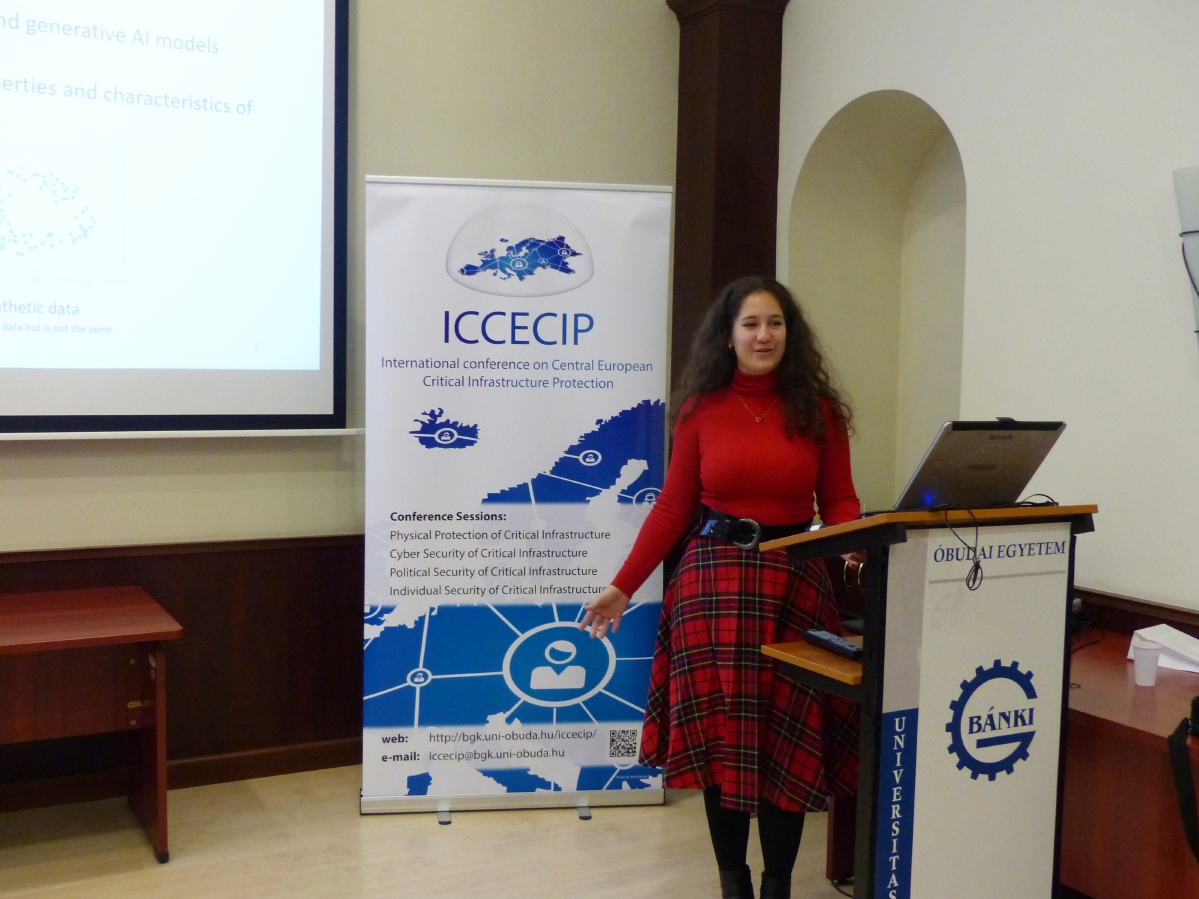
This year, the conference sessions covered four main areas:
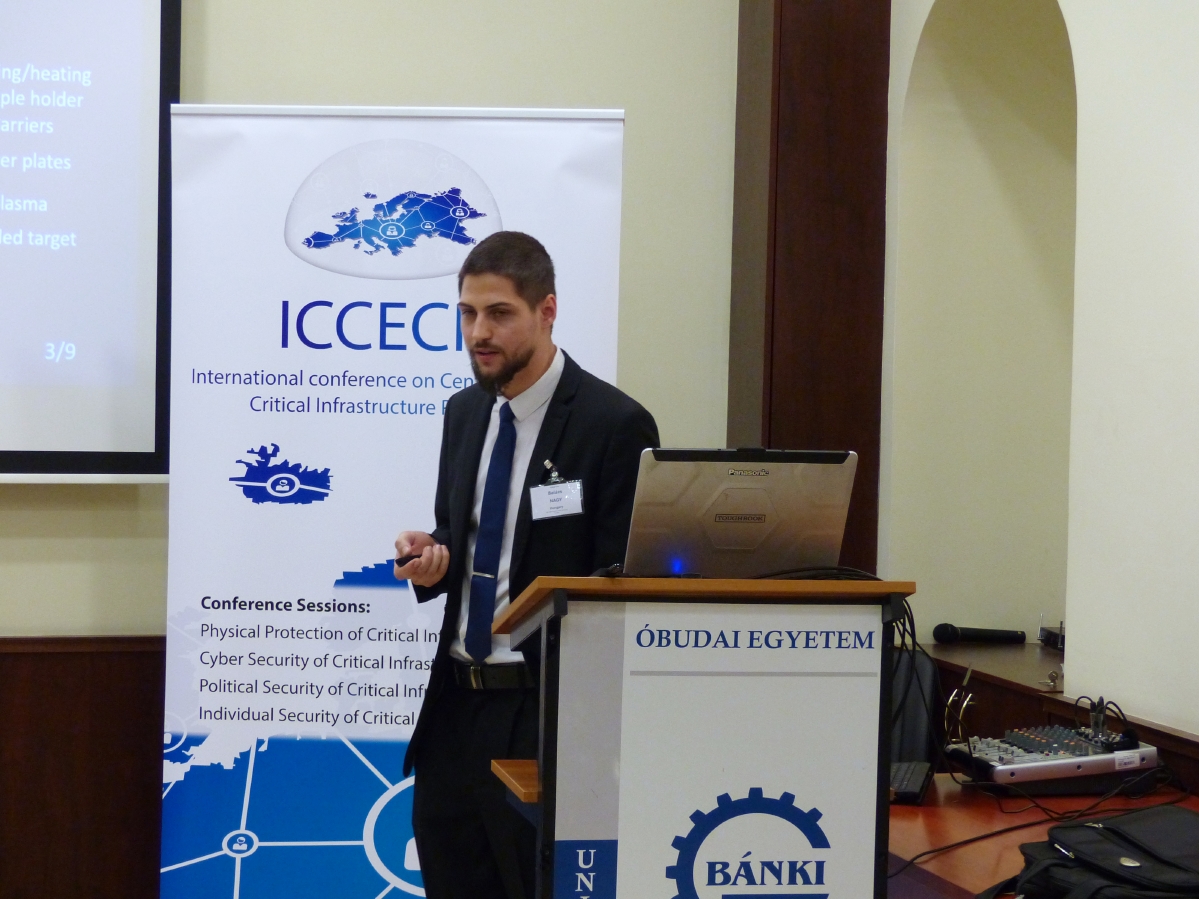
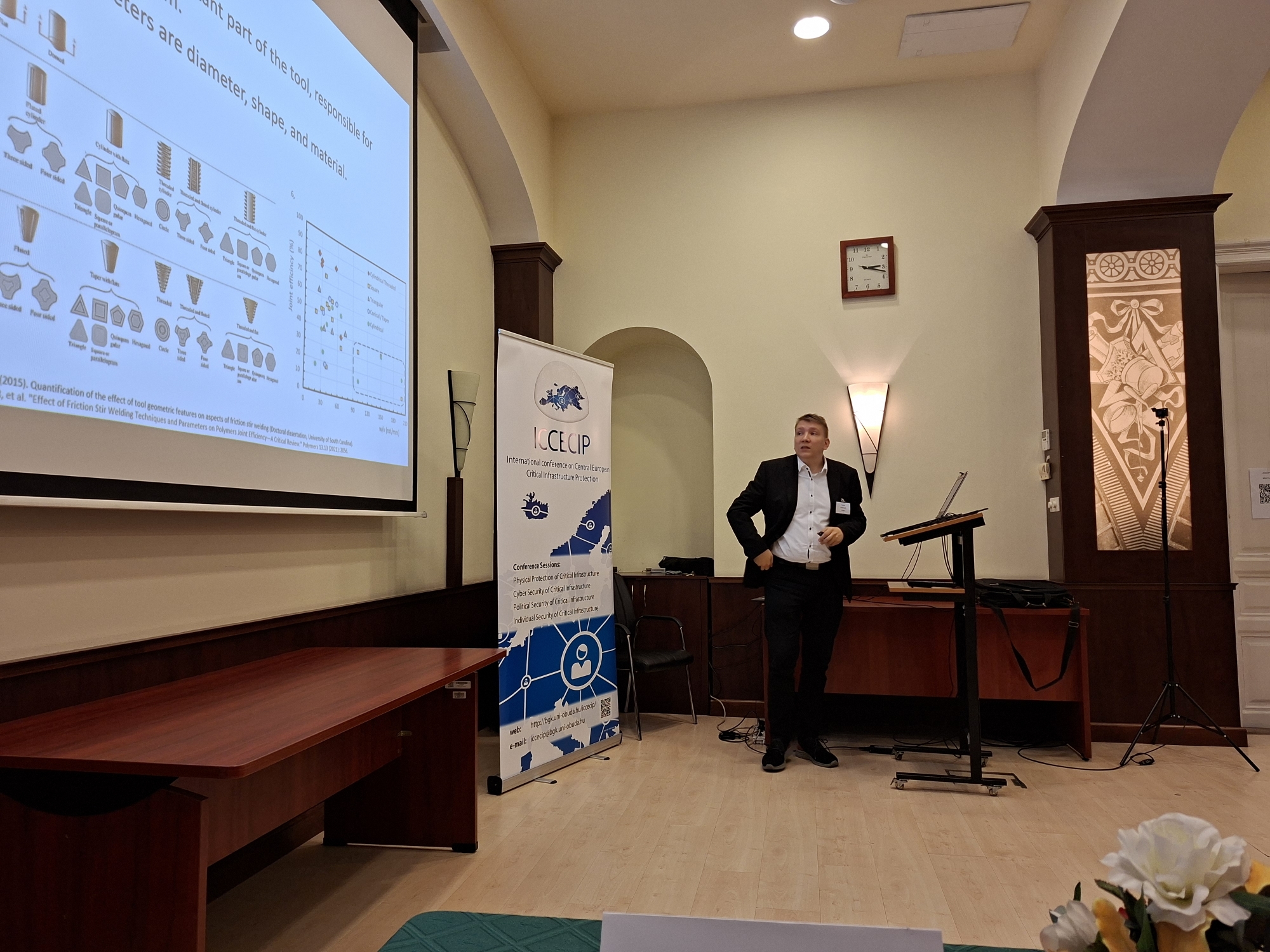
- Physical Protection of Critical Infrastructure – presenting new materials science and engineering solutions, including robust structural designs, ballistic materials, blast-resistant solutions, drone reconnaissance, reinforcement of industrial facilities, and next-generation protective structures.
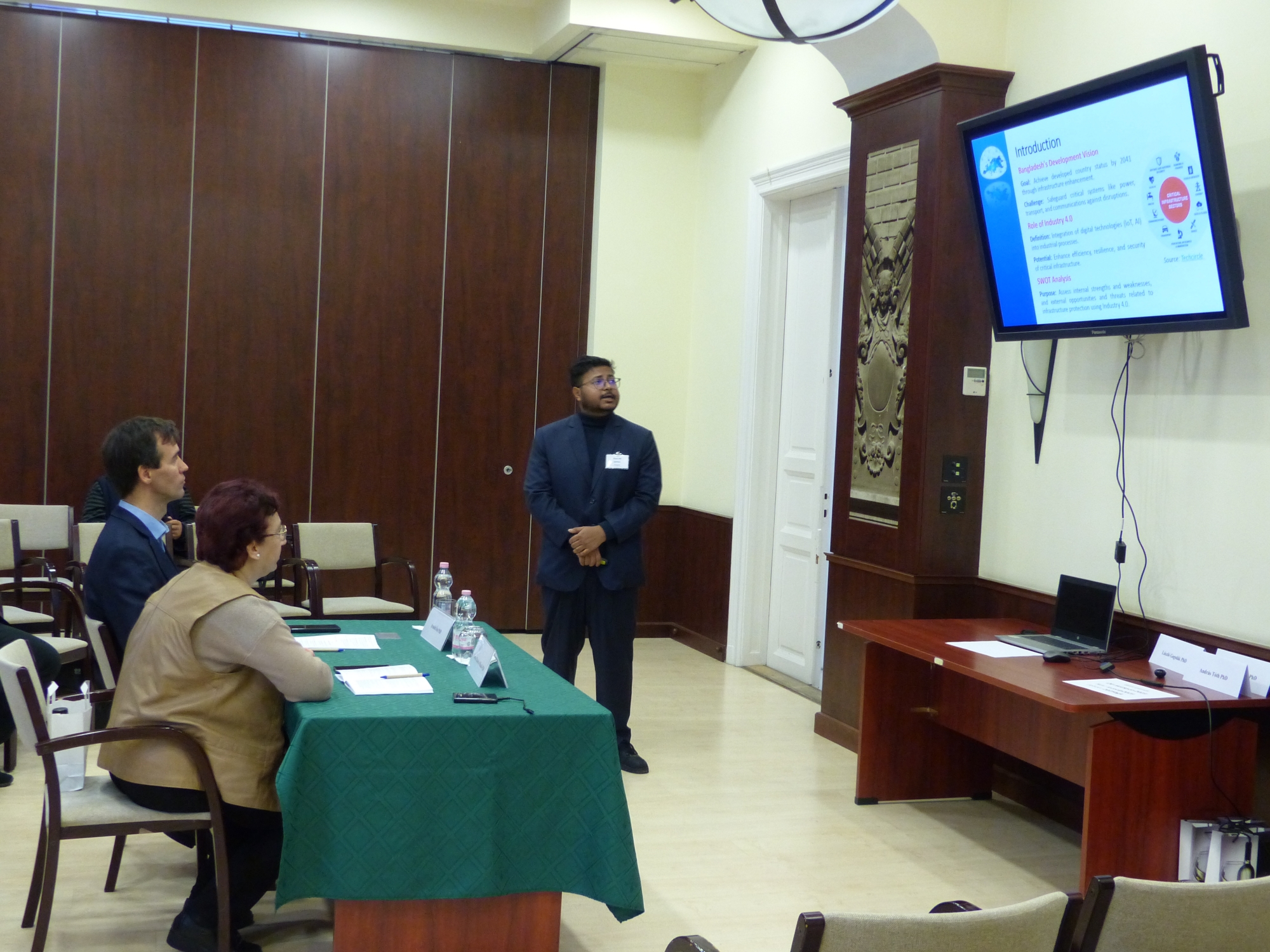
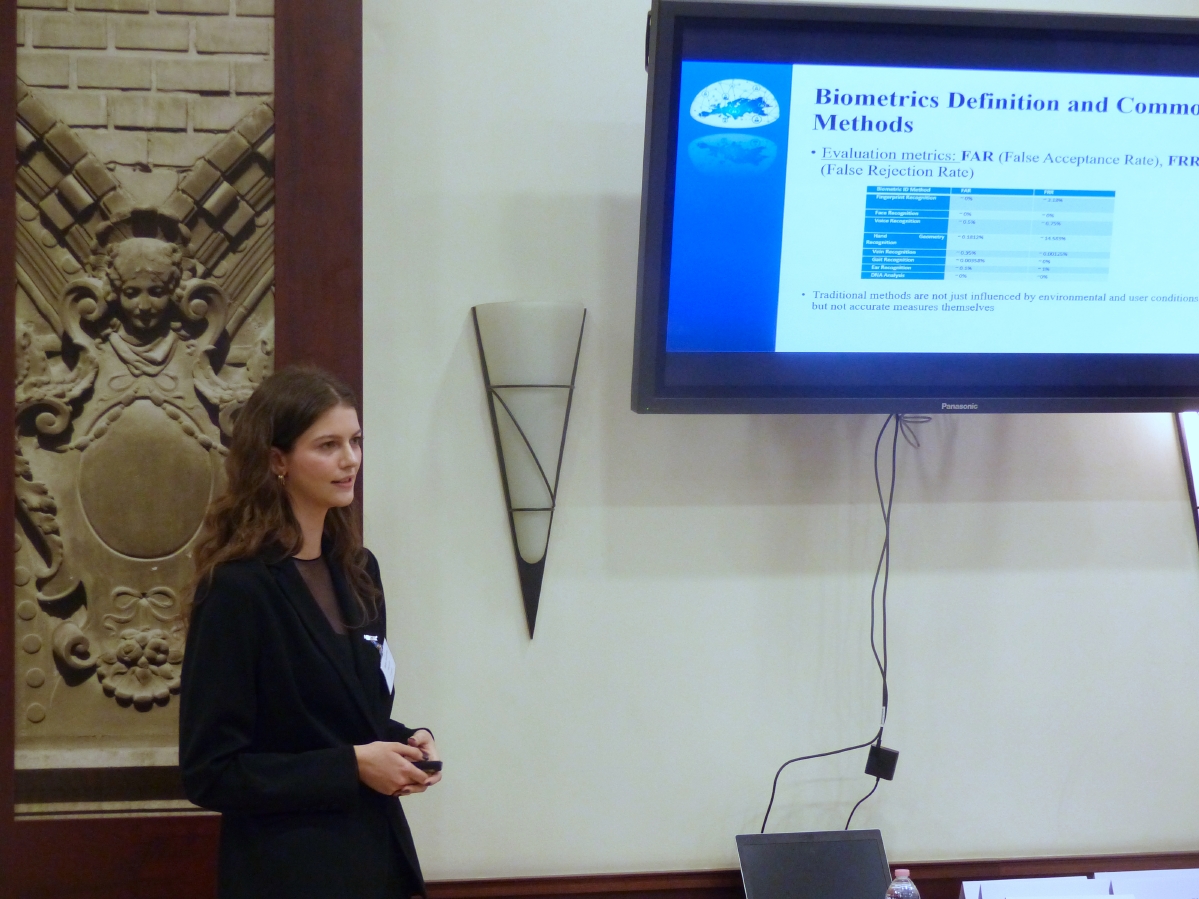
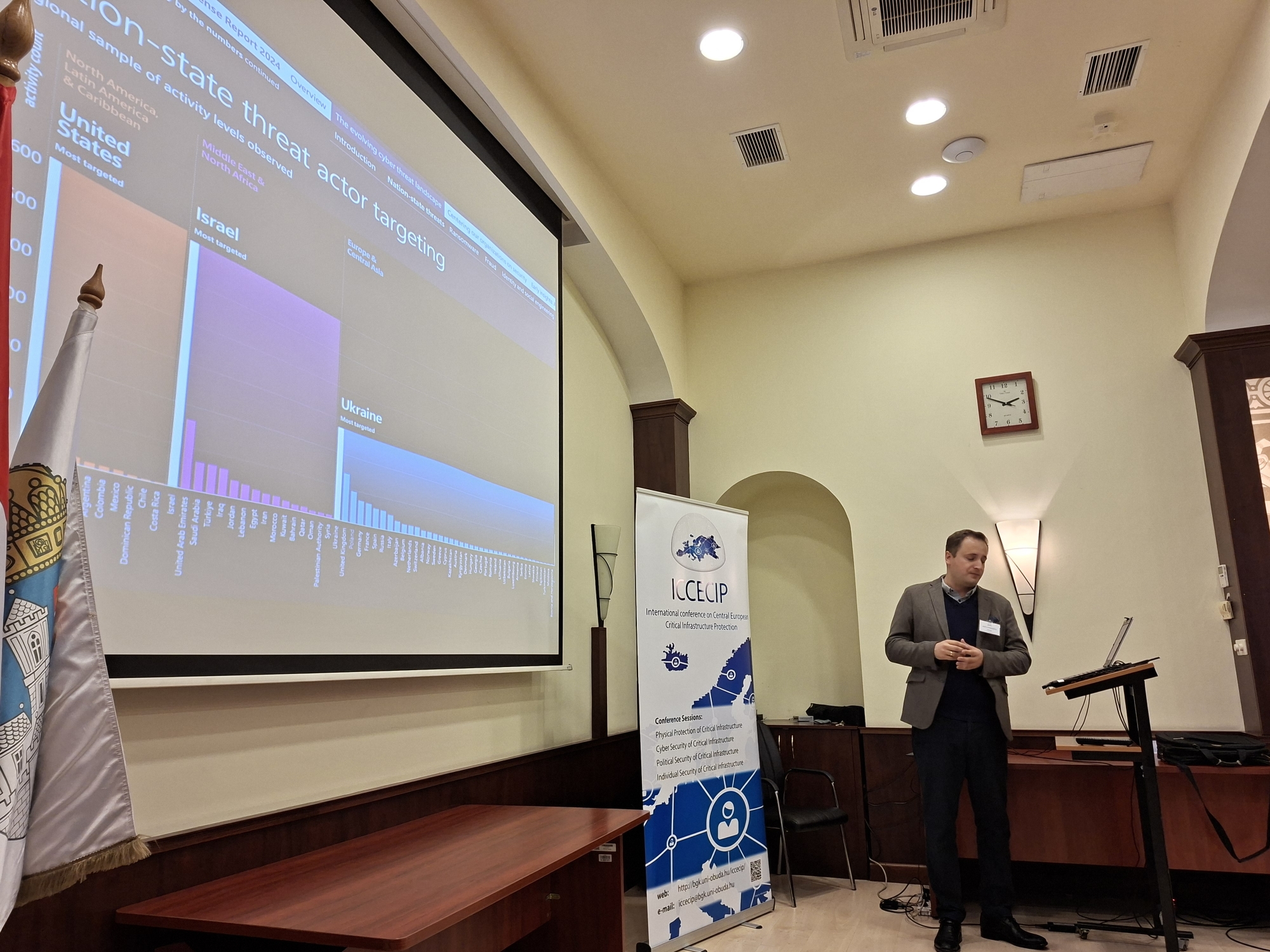
- Cyber Security of Critical Infrastructure – focusing on security issues related to artificial intelligence, IoT, and industrial control systems.
- Political Security of Critical Infrastructure – exploring societal and geopolitical contexts, including migration, counter-terrorism, and regional security challenges.
- Individual Security of Critical Infrastructure – addressing the protection of environmental, human, health, and economic infrastructures.
The wide range of presentations highlighted that critical infrastructure protection cannot be separated into isolated sectors: physical, cyber, political, and human security are now closely intertwined.
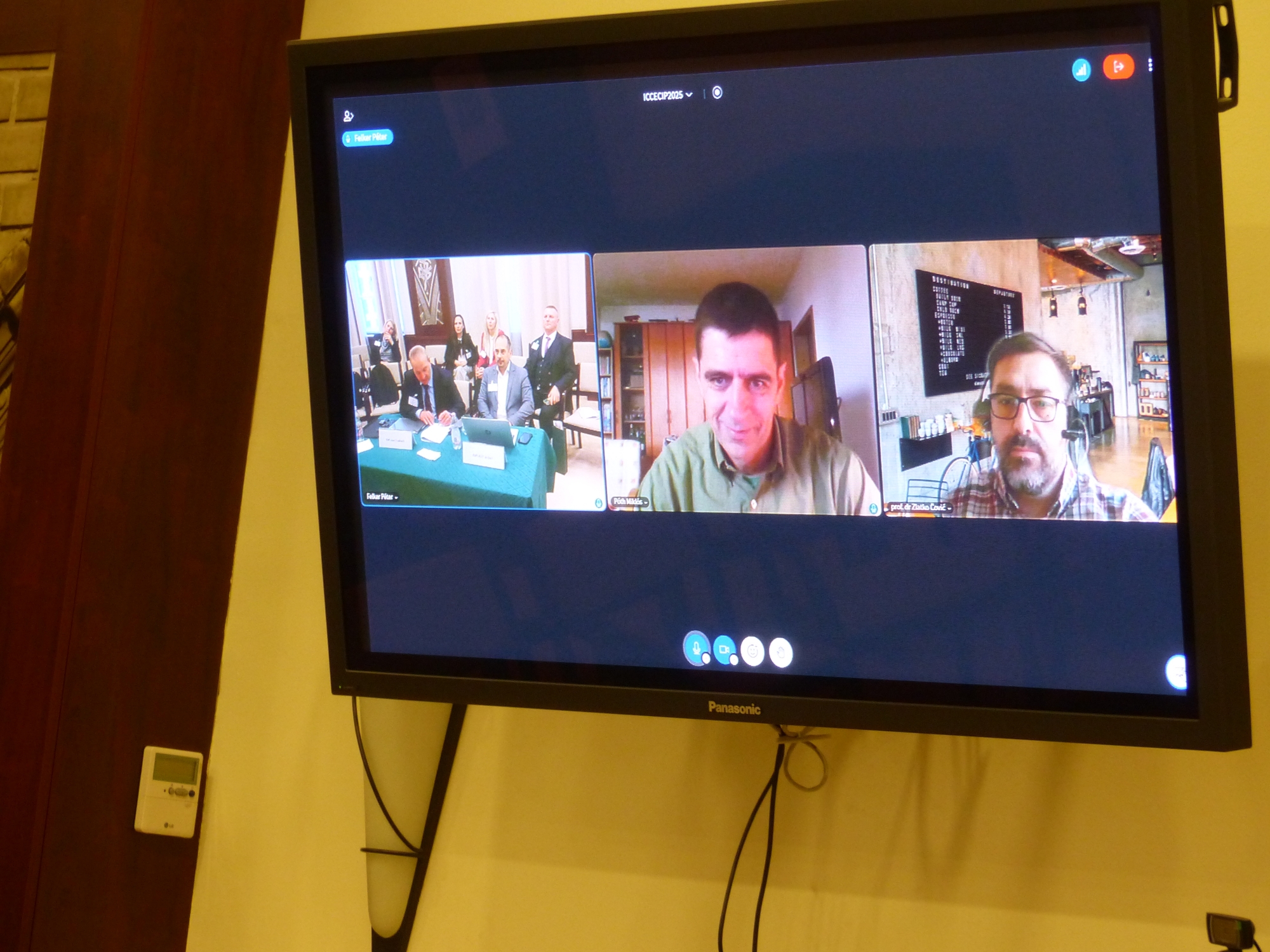
One of the key takeaways from the discussions was that the future of security systems largely depends on the integration of artificial intelligence, machine learning, quantum-secure solutions, and advanced materials science developments. Participants also agreed that regional cooperation in Central Europe is particularly crucial. Fourteen partner universities were involved in the organization, and the conference featured 7 plenary lectures and 72 session presentations, with representatives from Hungary, Serbia, Romania, Poland, Bosnia-Herzegovina, North Macedonia, Albania, France, Turkey, and Morocco.
According to feedback, ICCECIP 2025 was more than just a conference; it was a scientific and professional meeting point, facilitating collective thinking on the protection of the region’s critical infrastructures. “The event successfully combined scientific rigor with practical approaches and reinforced Budapest’s role as a key research center in the field,” said Dr. Zoltán Nyikes, Co-Chair of the Conference, at the closing ceremony. Preparations for next year’s program have already begun, and the professional community is eagerly looking forward to its continuation.
Prof. Dr. Tünde Anna Kovács