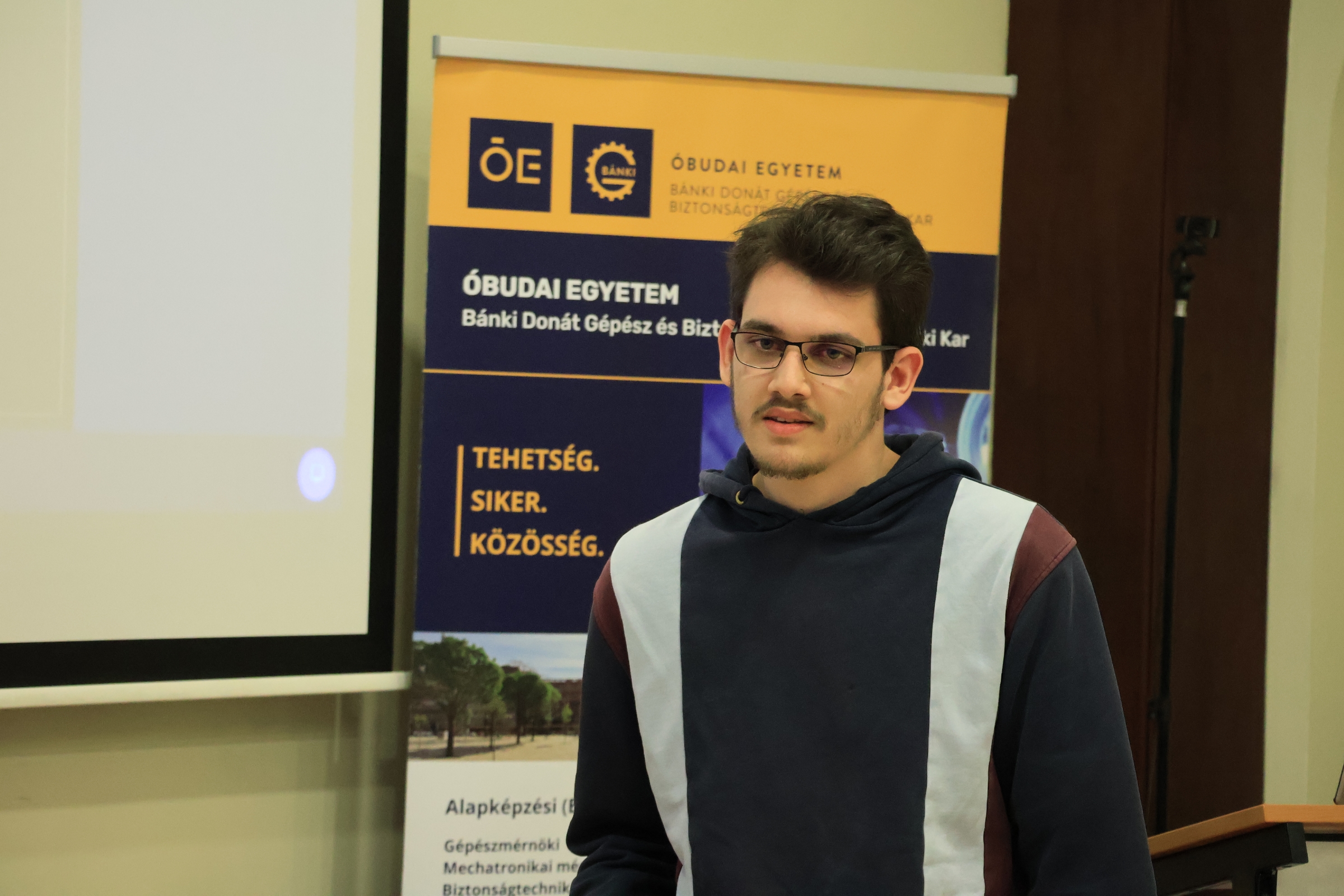
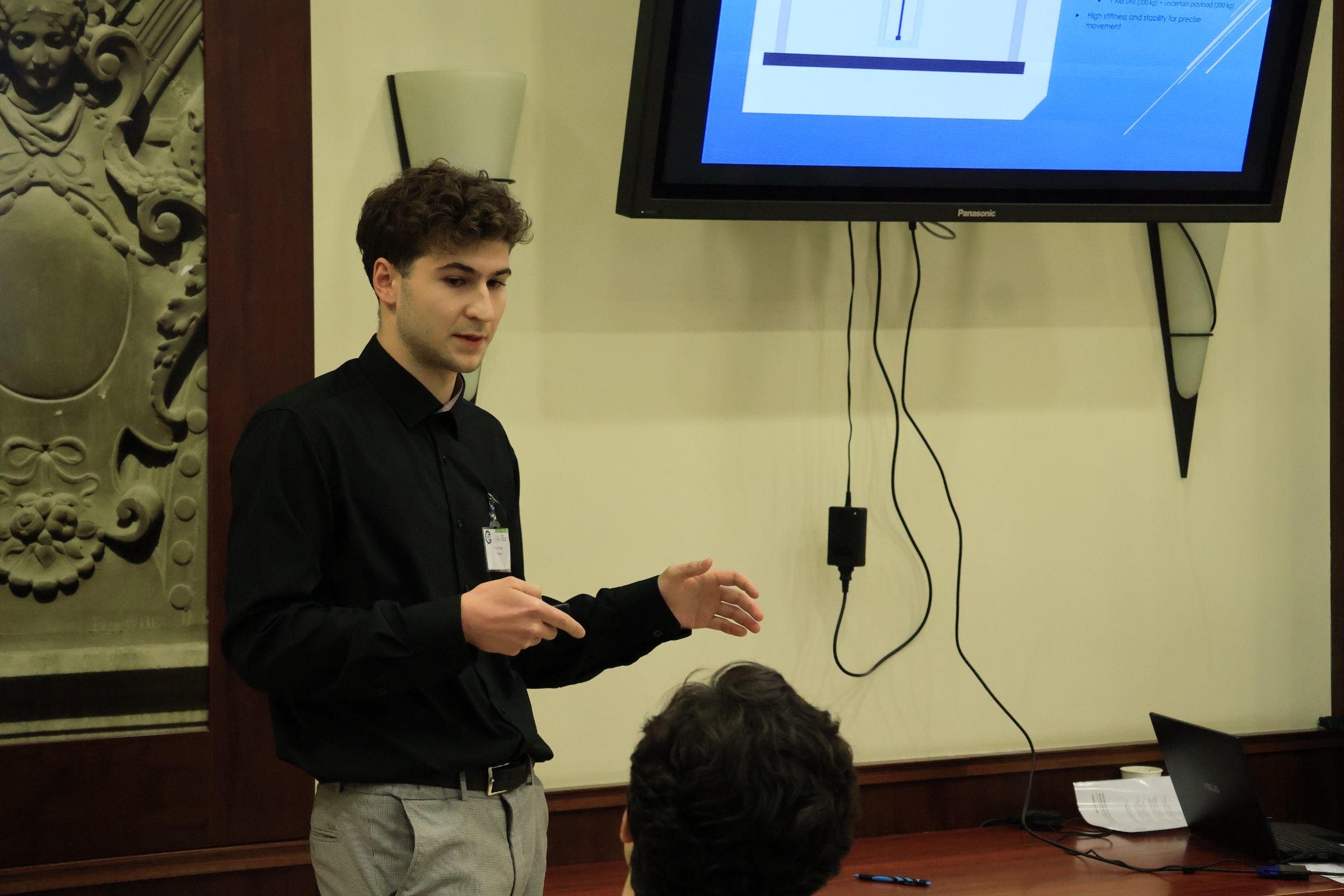
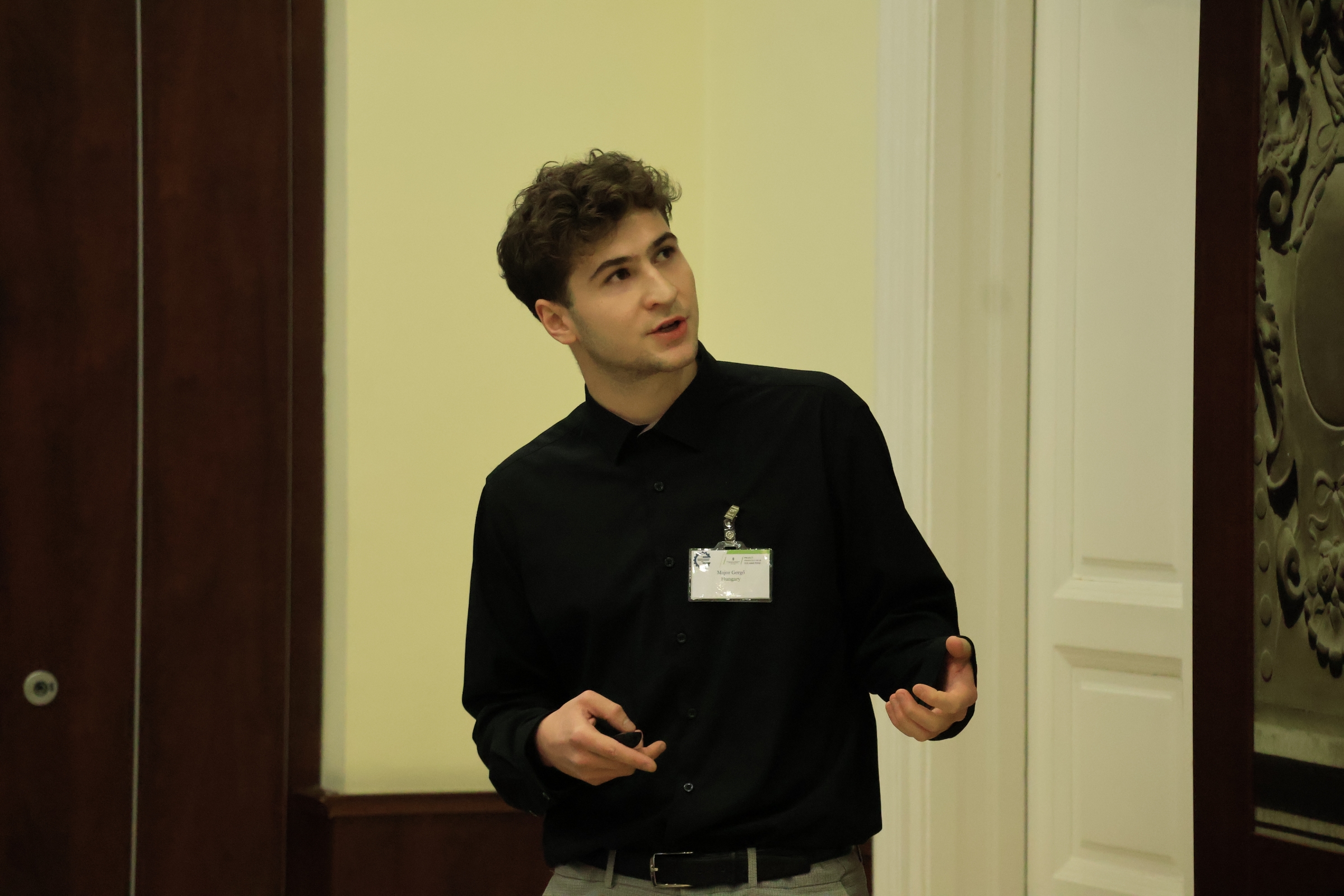
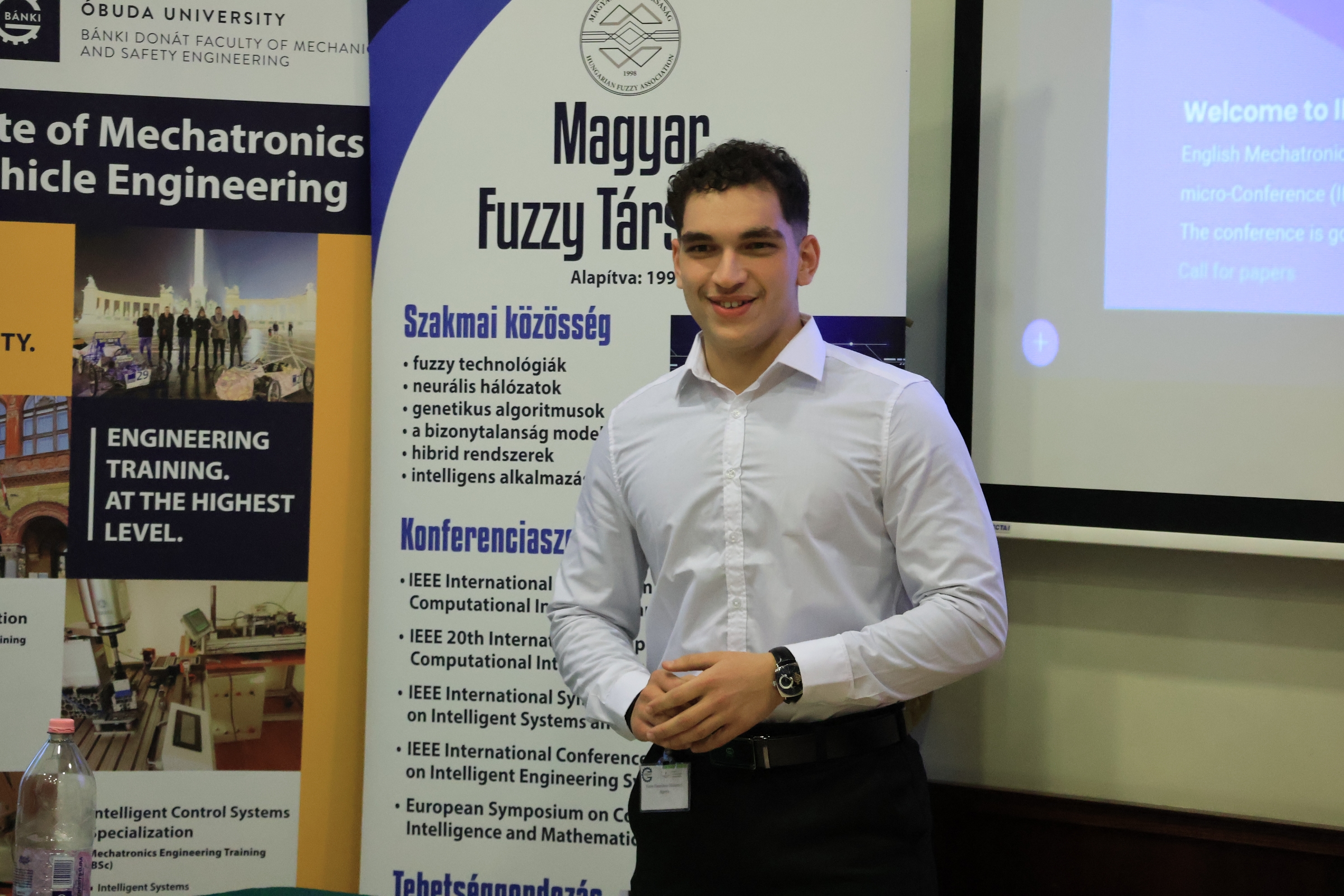
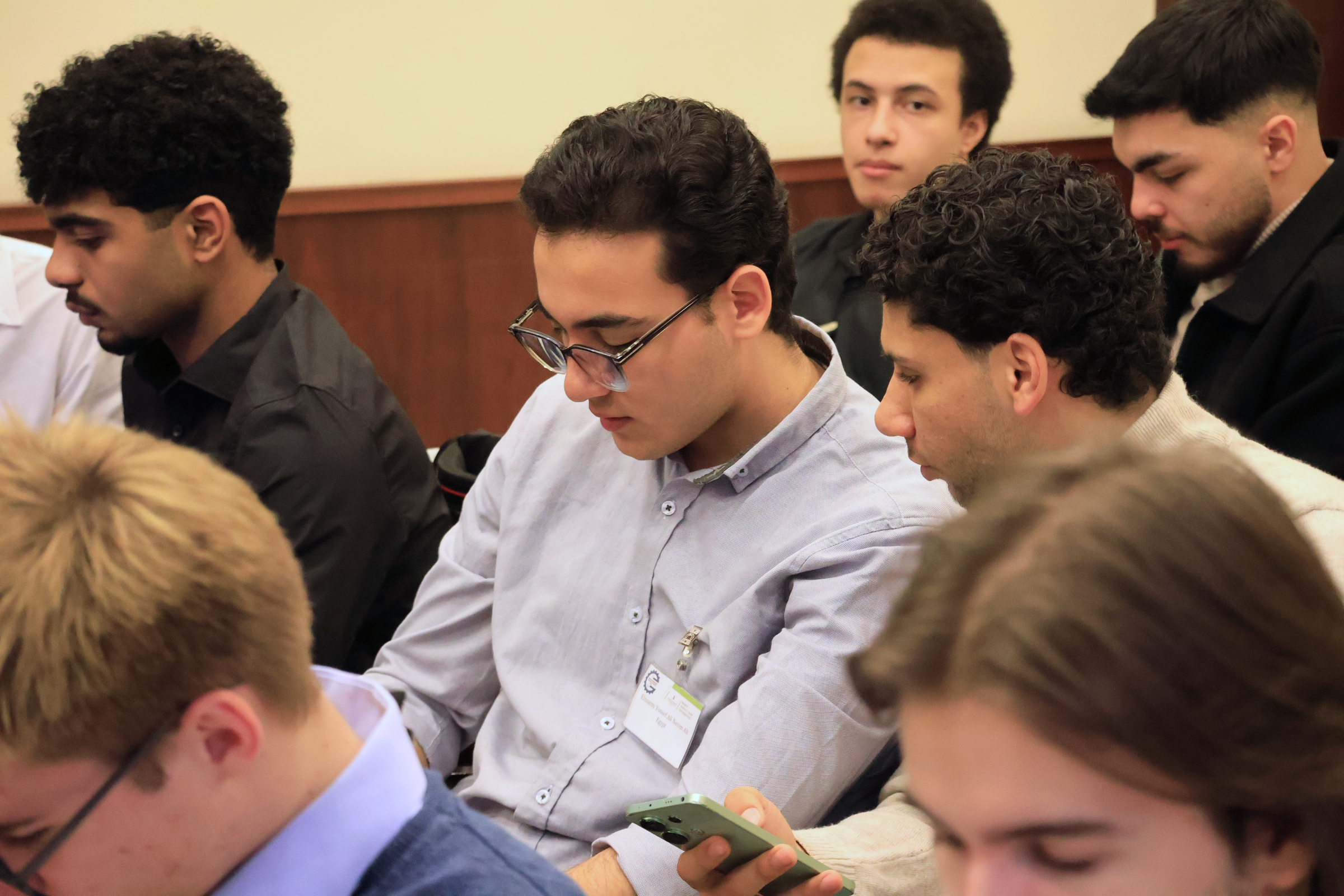
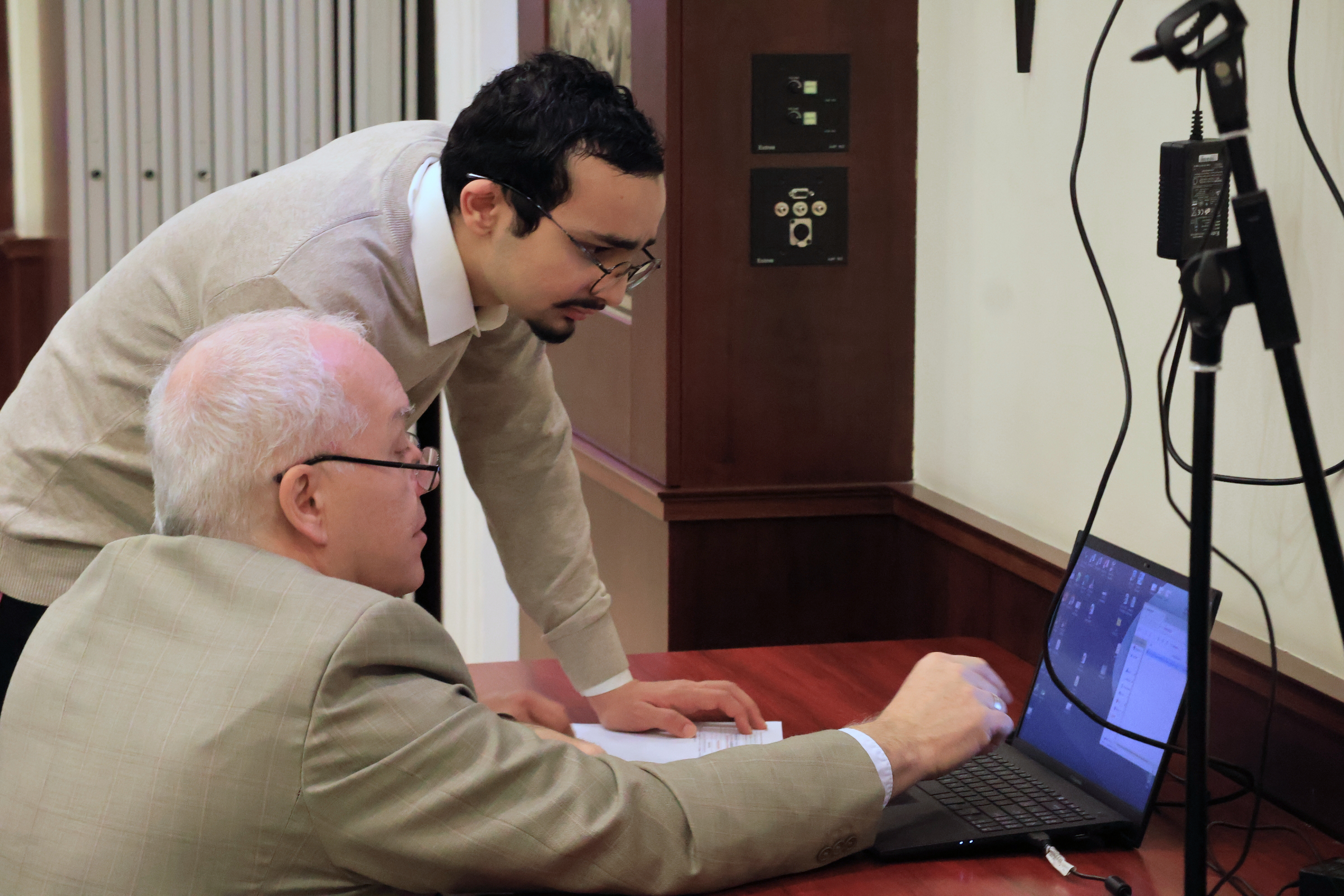
International Mechatronics Student Micro-Conference (IMSµC 2025) at Bánki
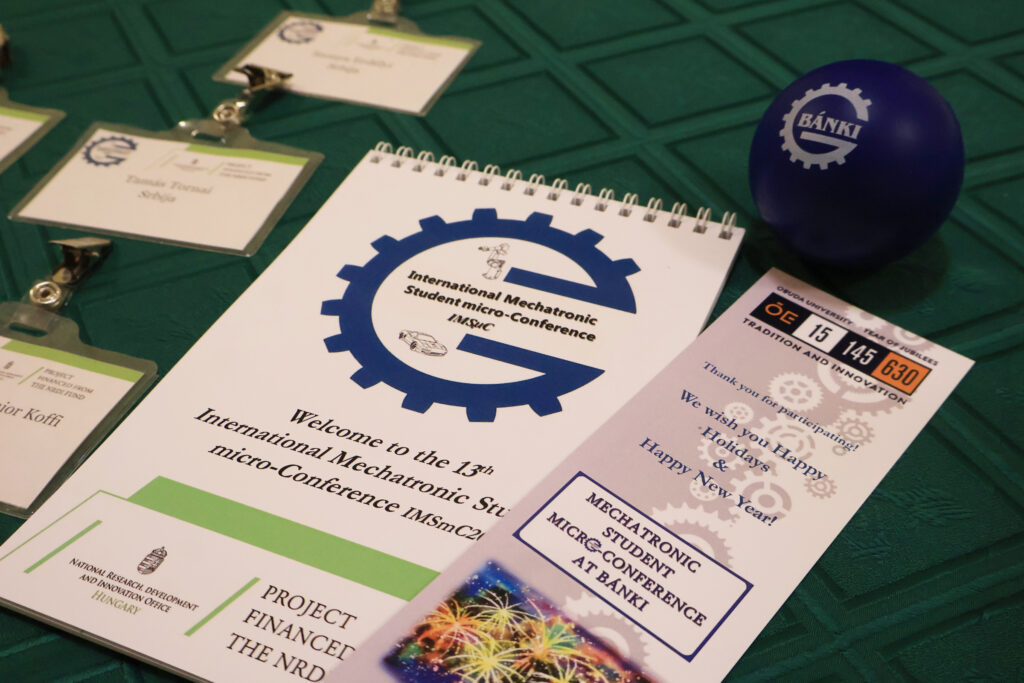
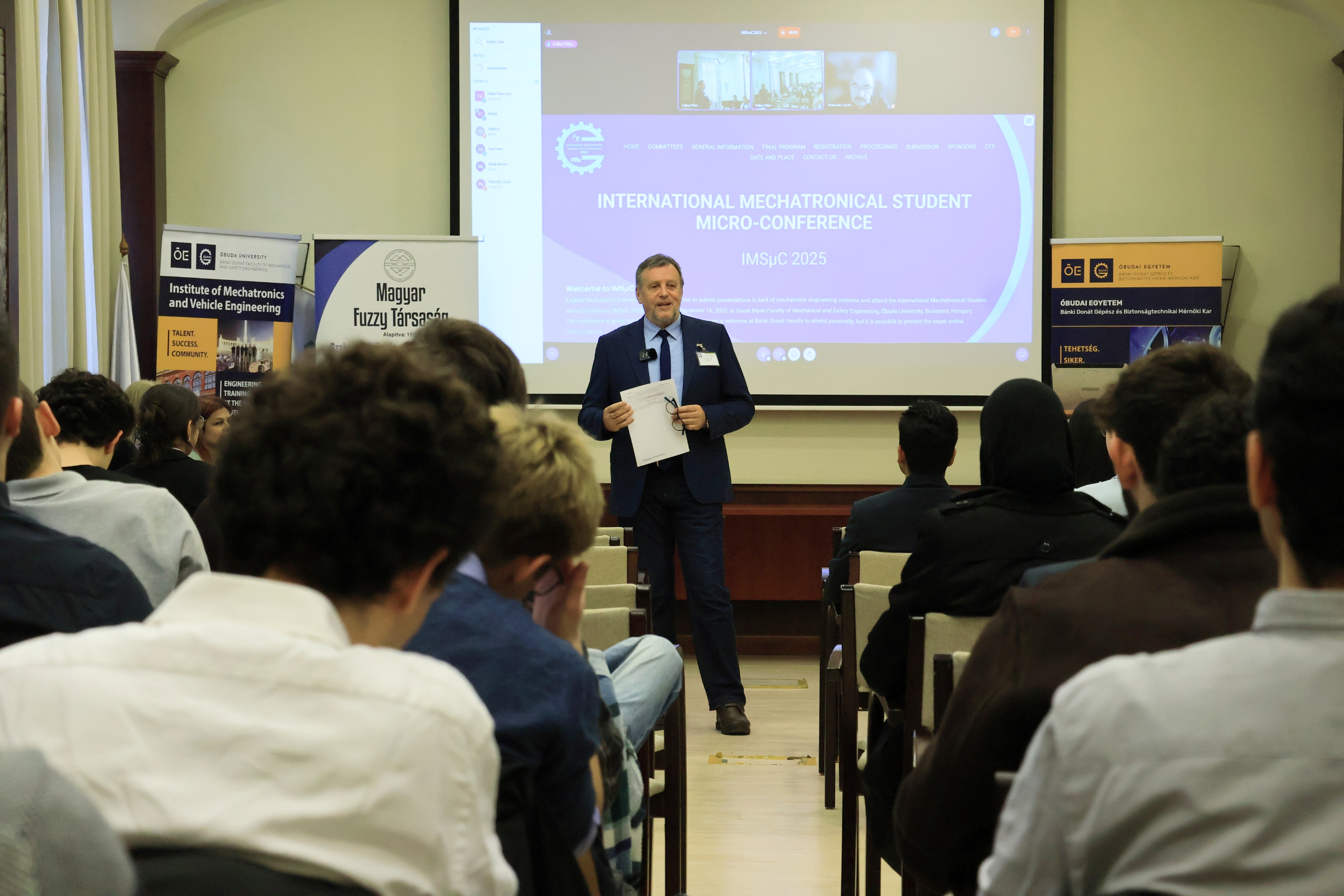
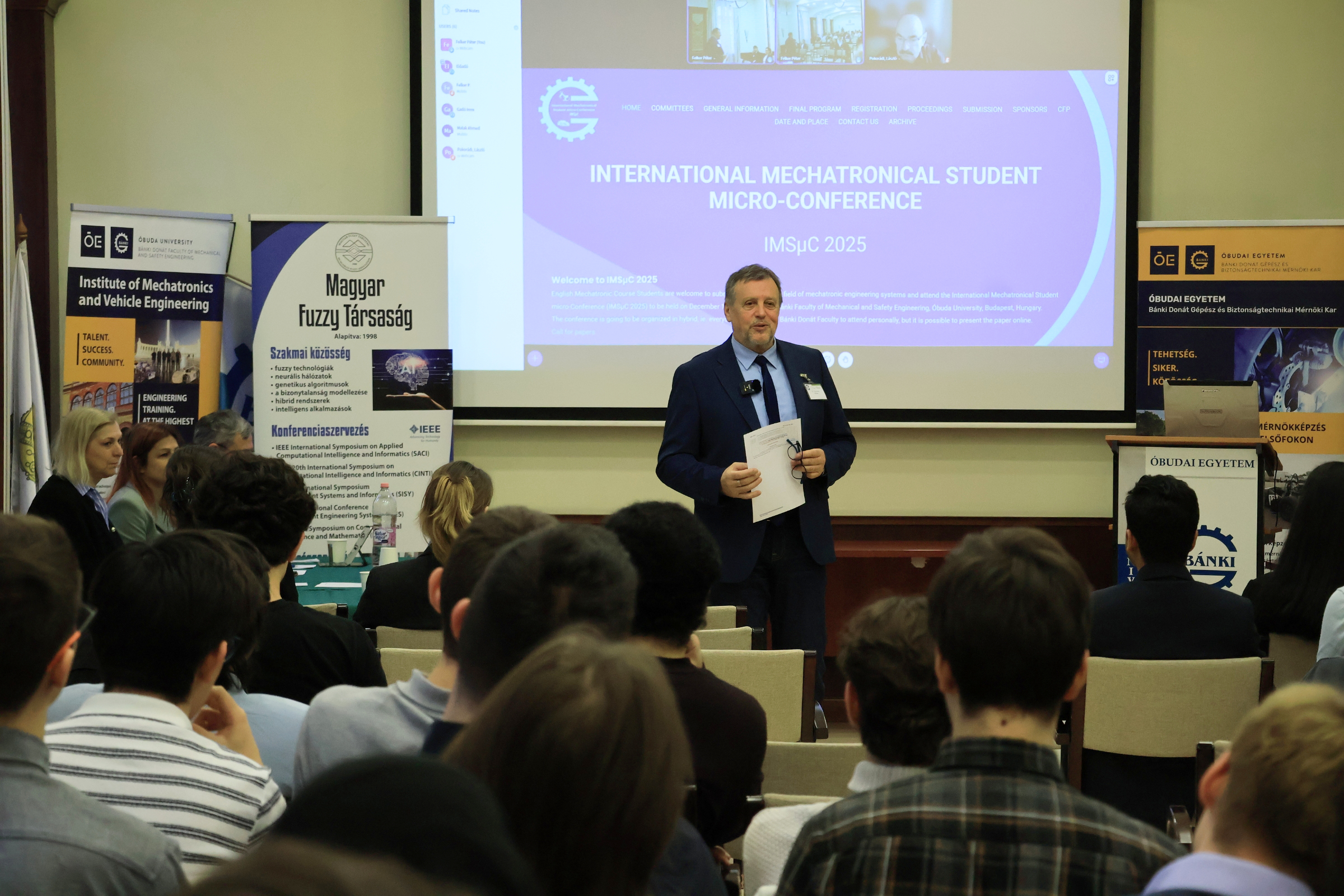
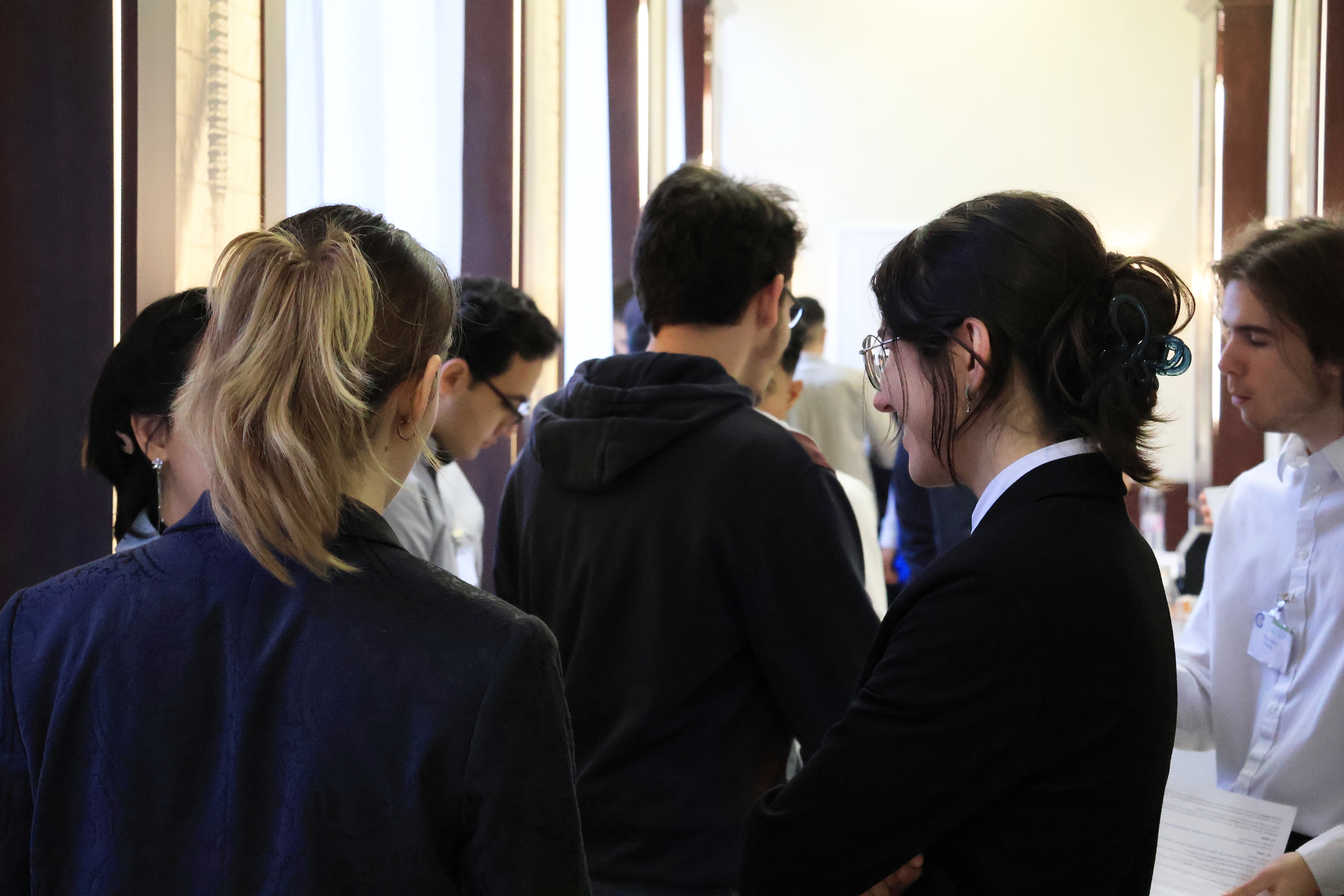
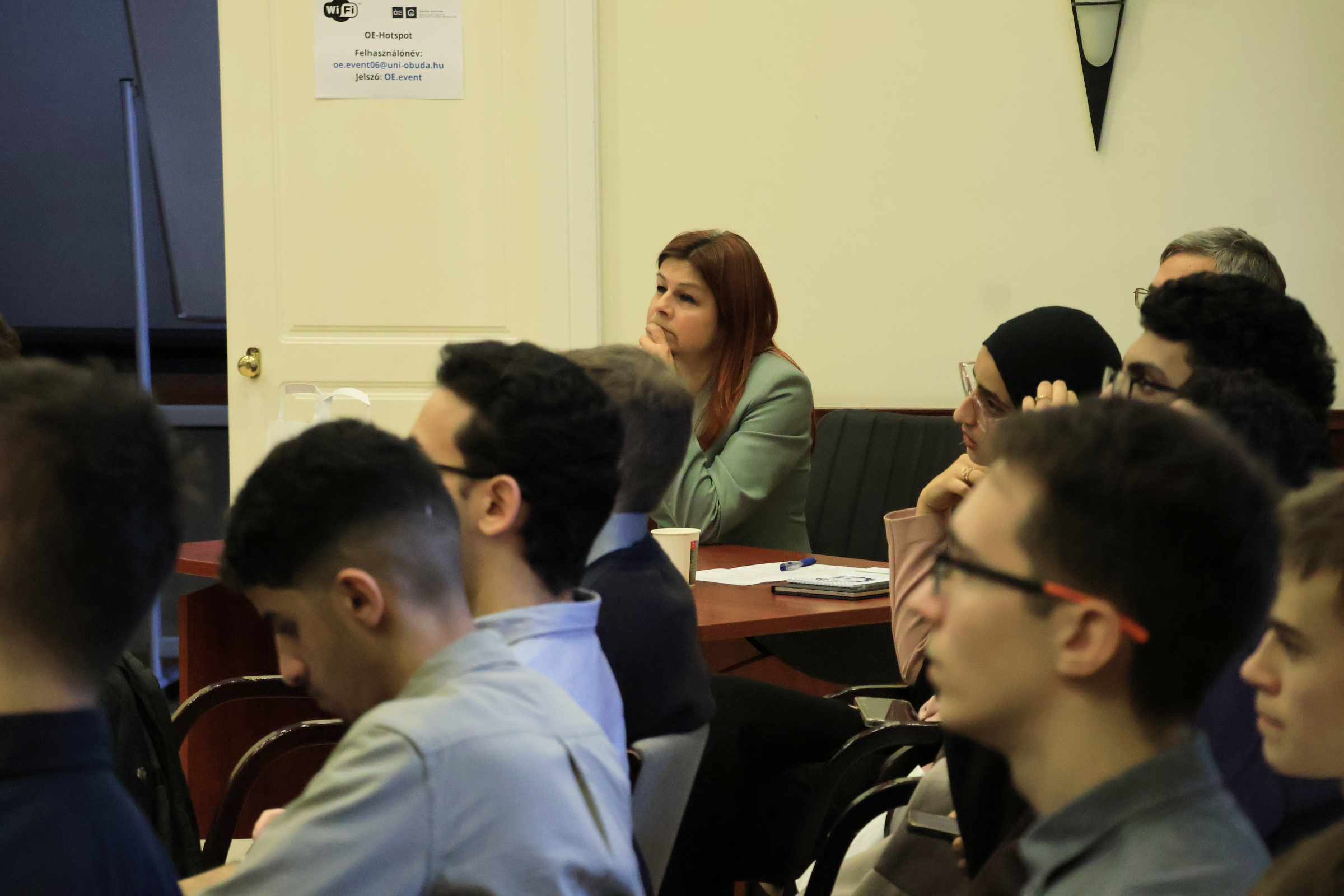
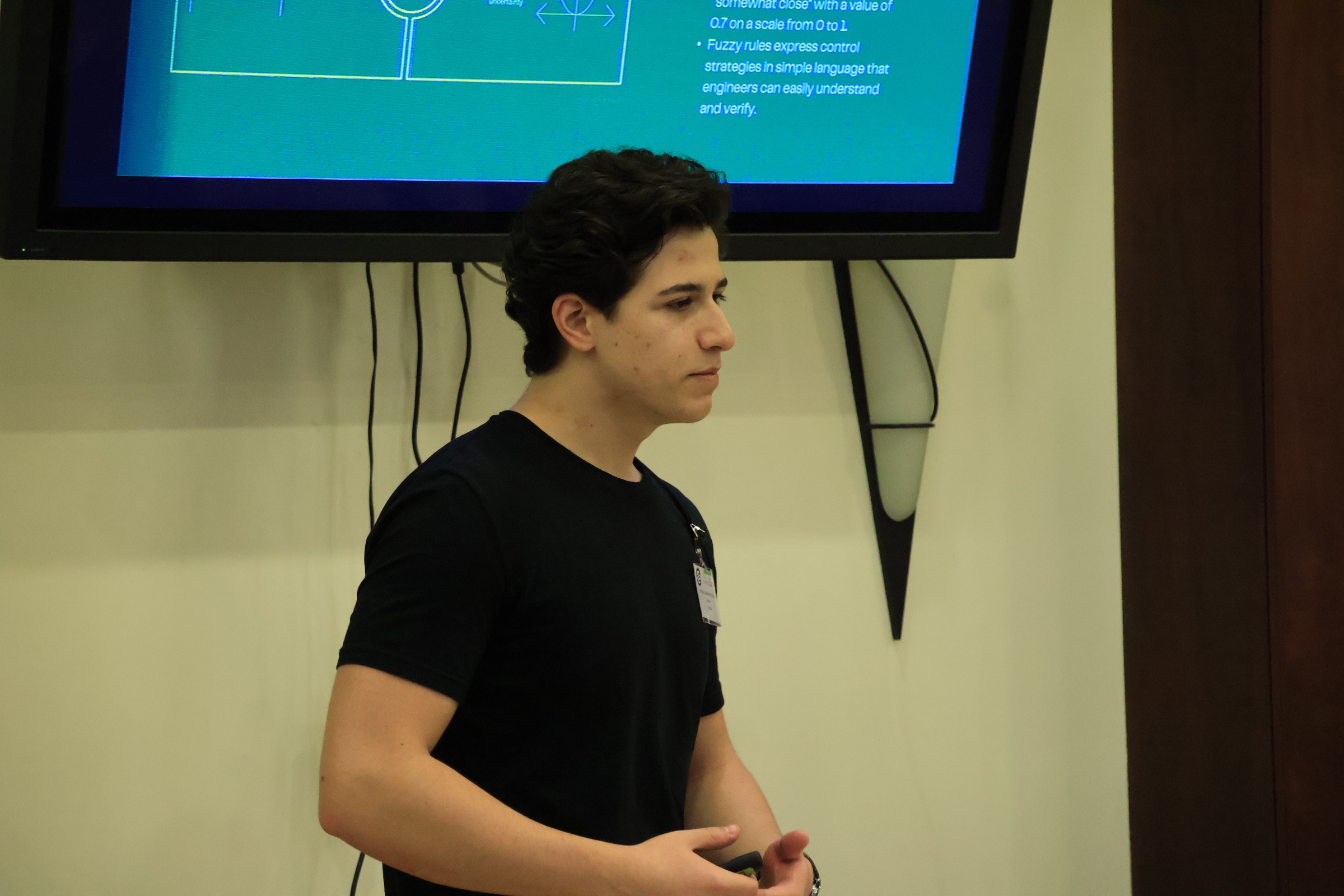
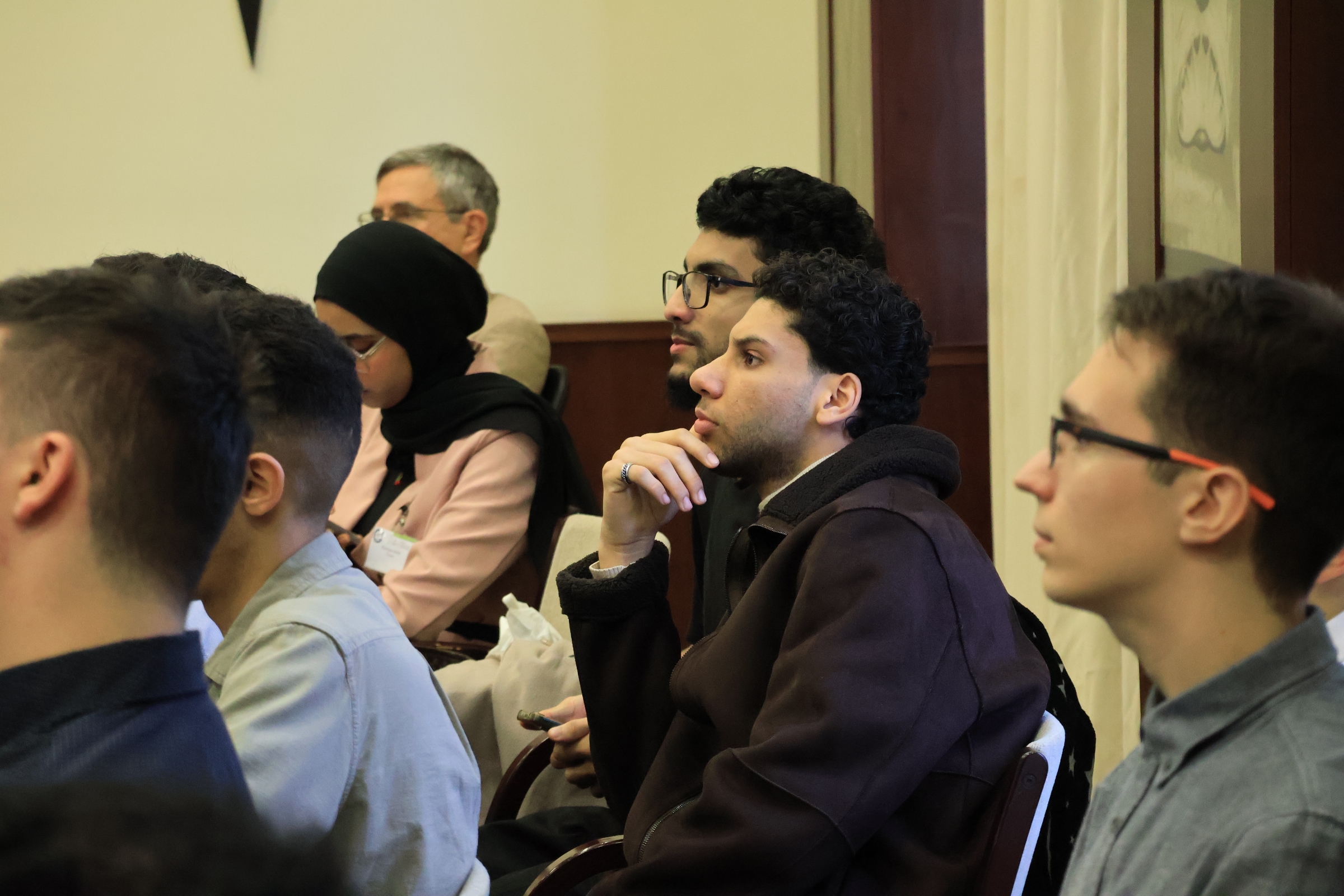
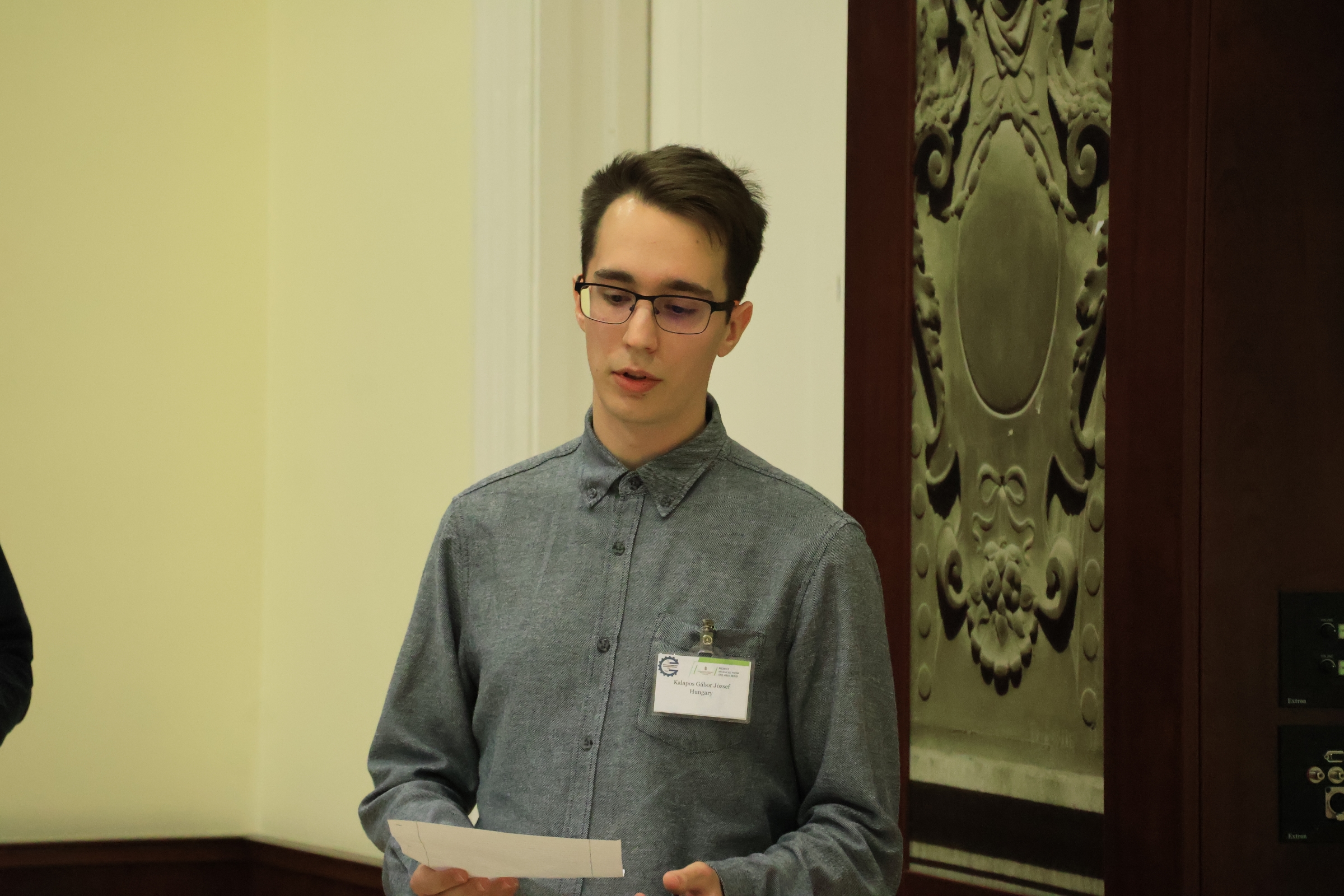
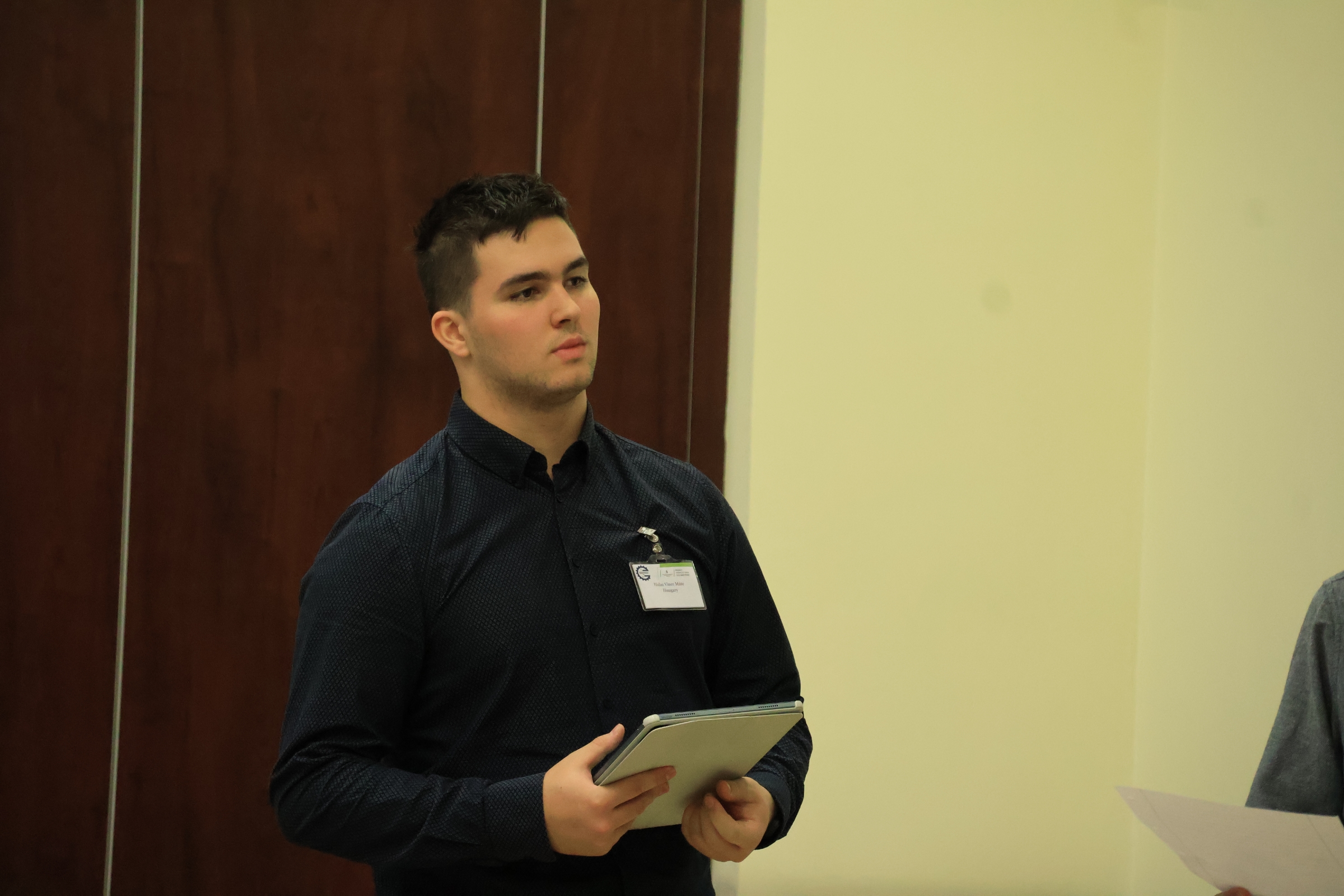
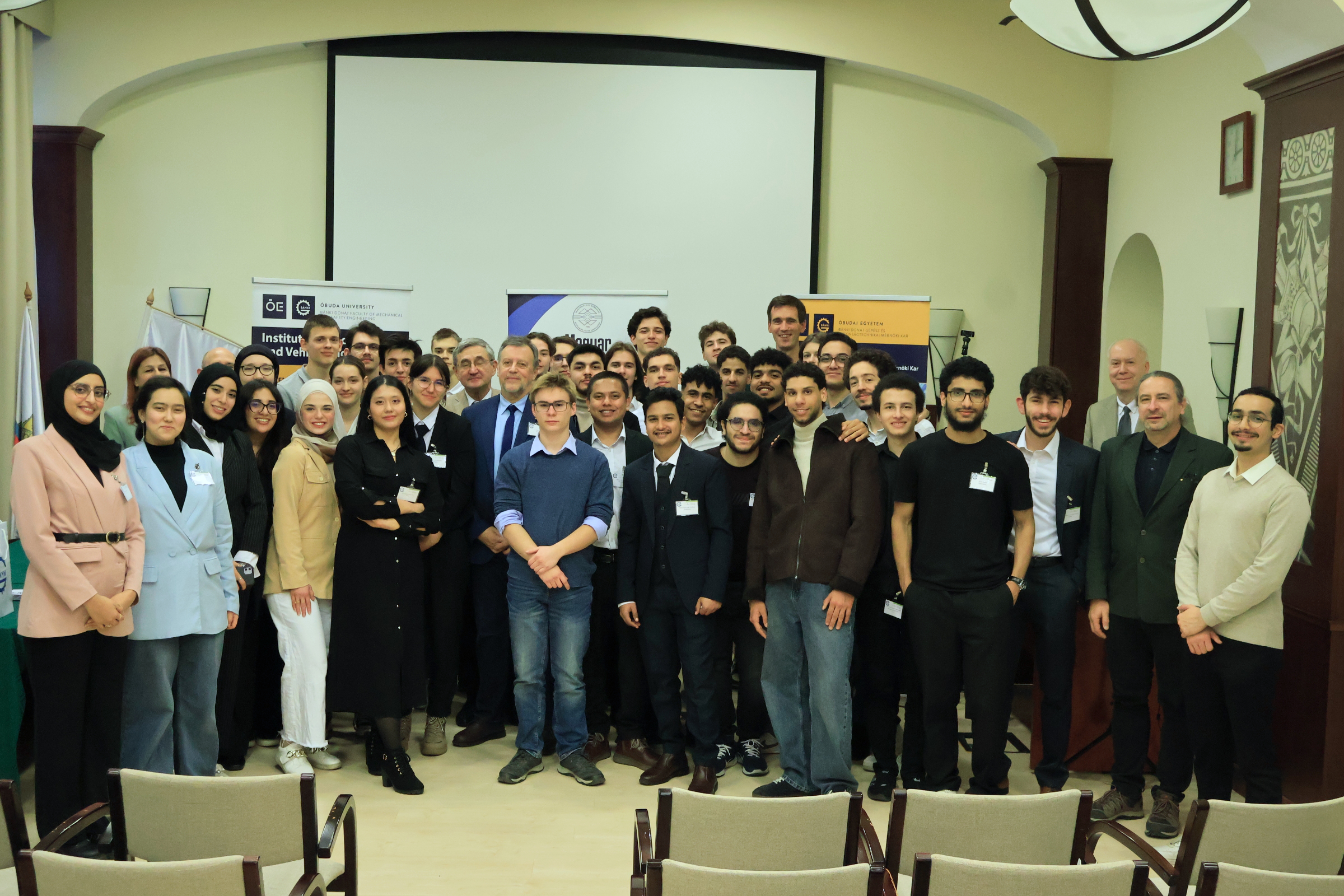
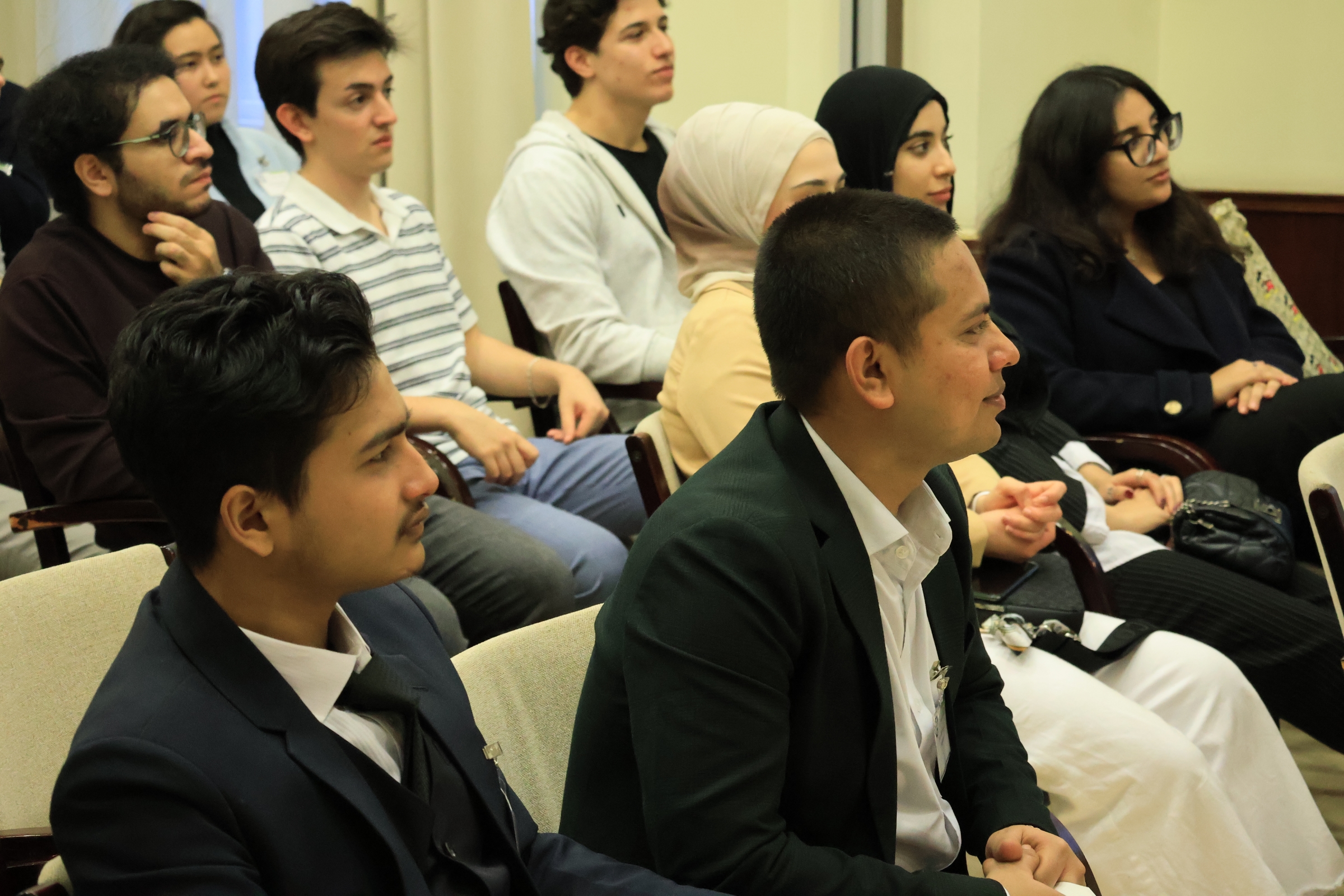
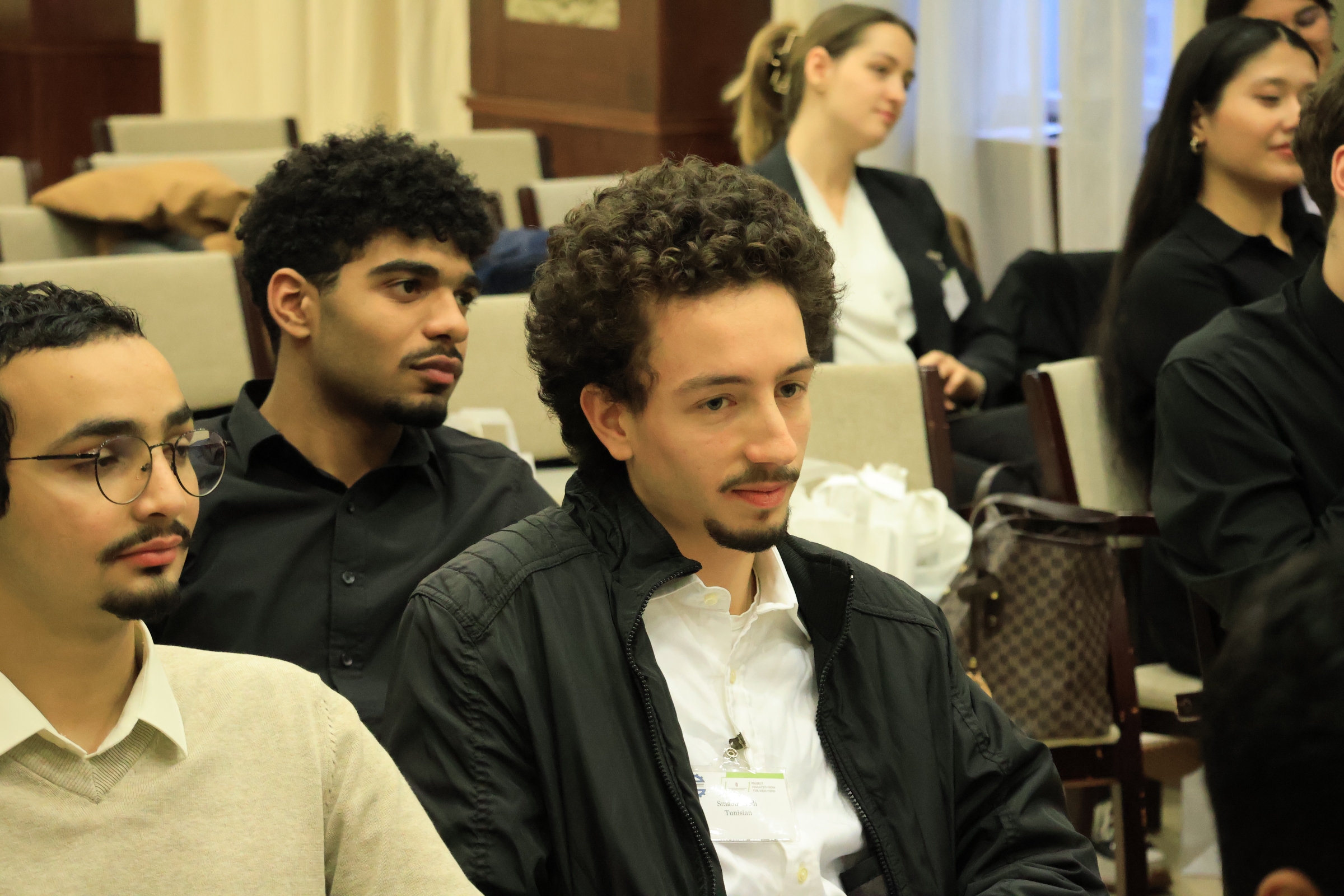
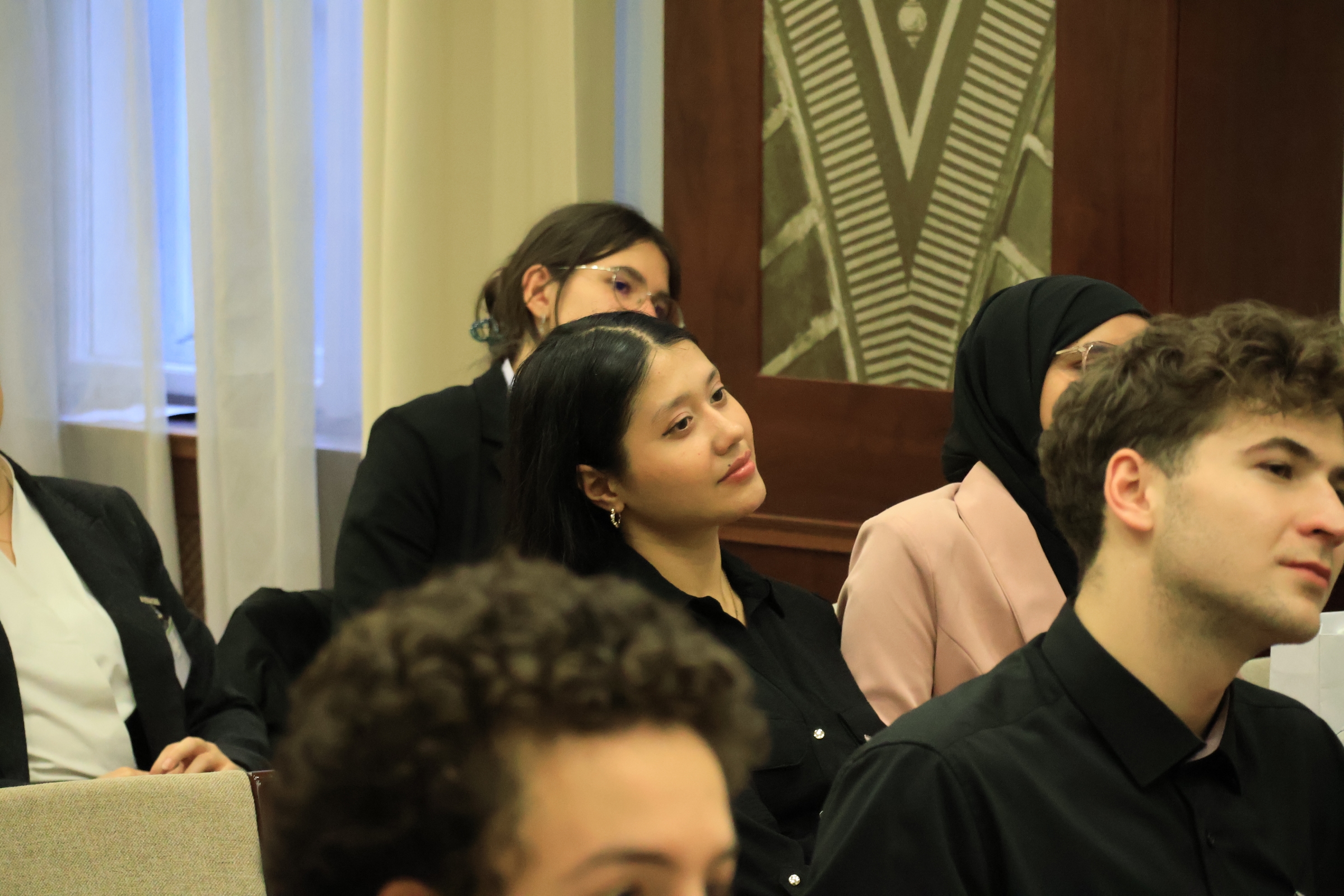
On 16 December 2025, the 13th International Mechatronics Student Micro-Conference (IMSµC 2025) was successfully held at Obuda University, organised jointly by the Bánki Donát Faculty of Mechanical and Safety Engineering and the Institute of Mechatronics and Vehicle Technology.
The conference was conducted in a hybrid format, as one speaker from VTS College in Serbia delivered their presentation online. To facilitate this, a dedicated video link was established between the Bánki Faculty and VTS.
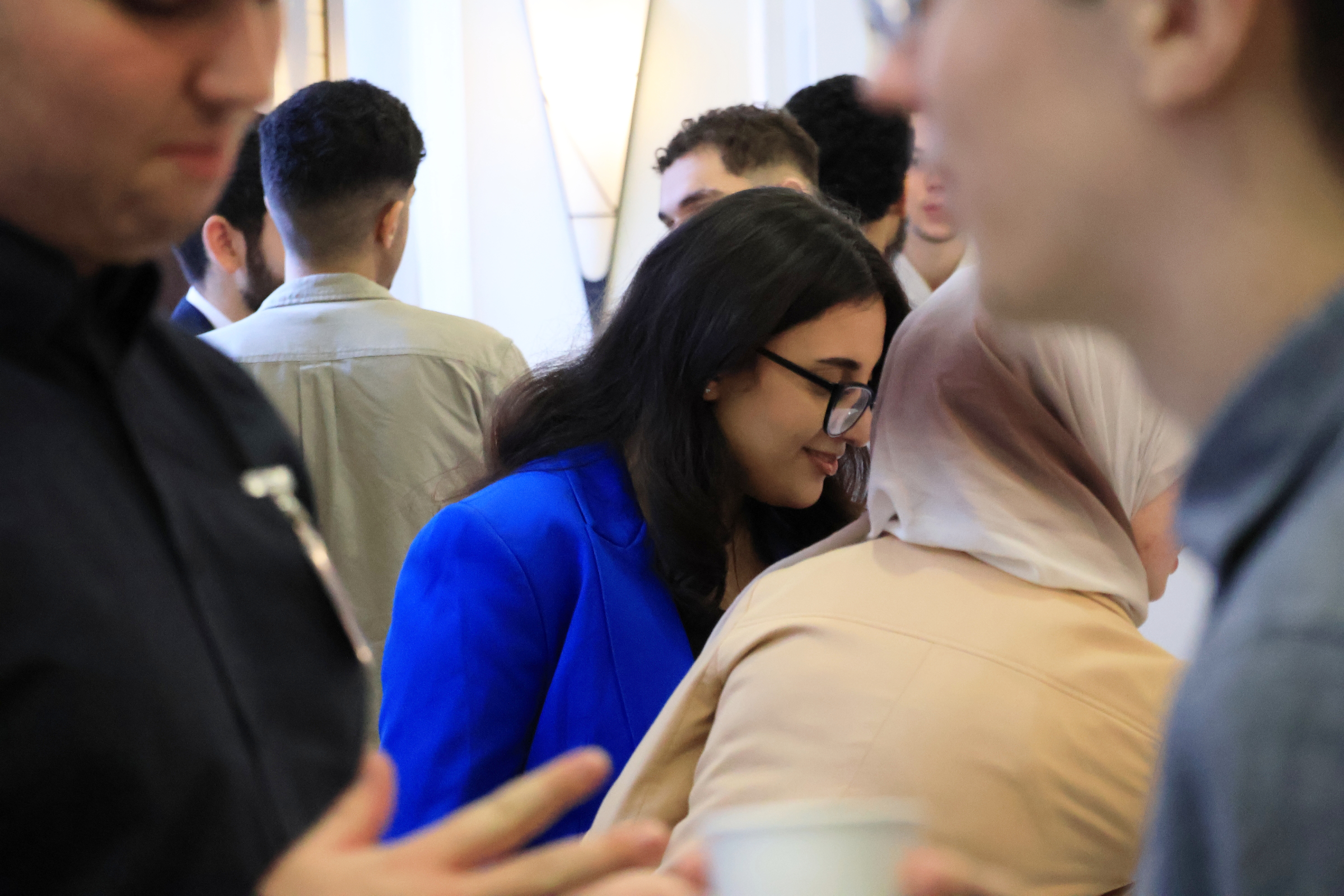
This year’s event differed slightly from previous editions in terms of size, number of presentations and overall quality, thanks to the support of the National Research, Development and Innovation Office (NKFI). The grant enabled us to provide enhanced technical facilities, invite guest speakers and, for the first time, offer a conference lunch to participants. As we know, the most fruitful discussions and networking opportunities often take place during such meals.
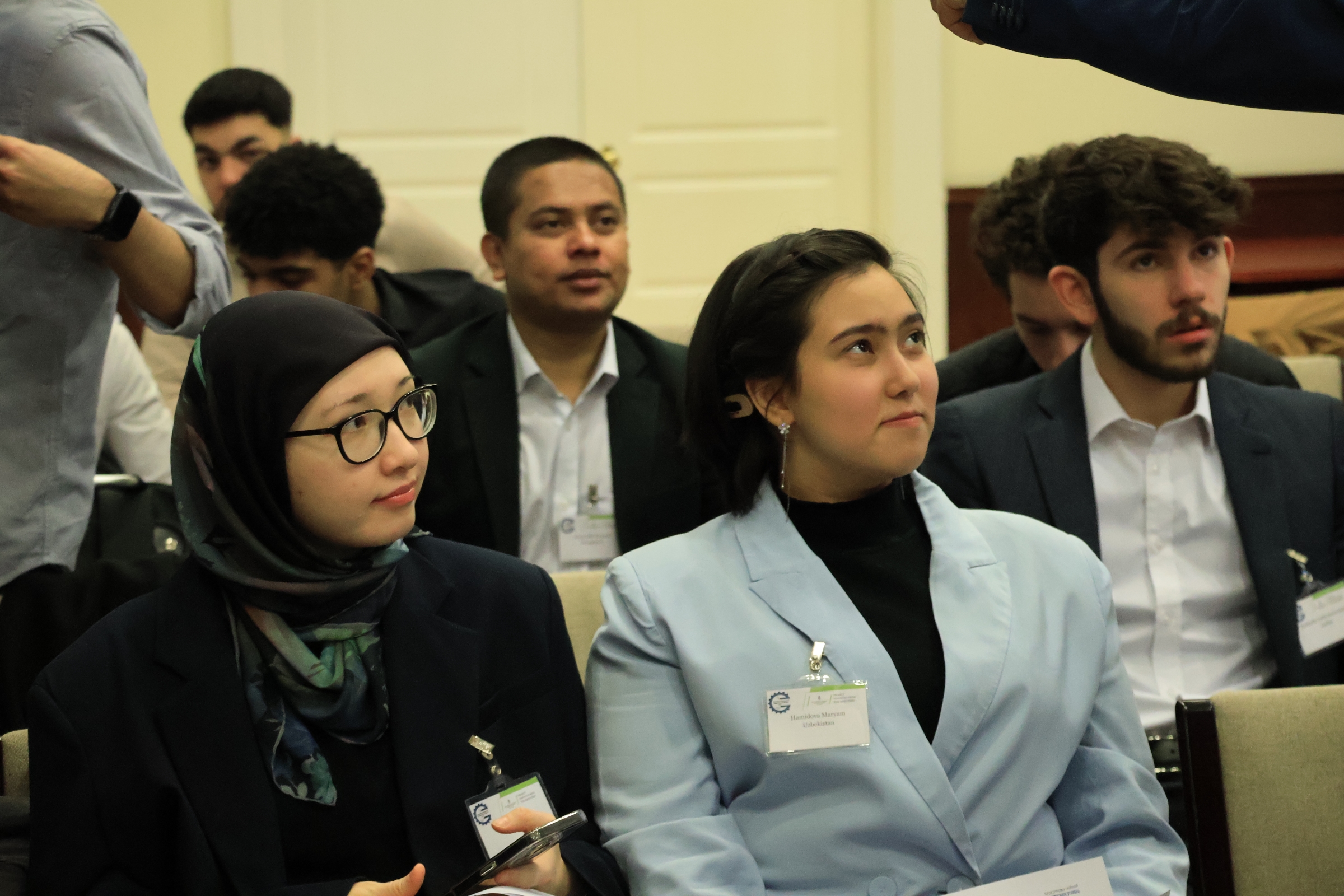
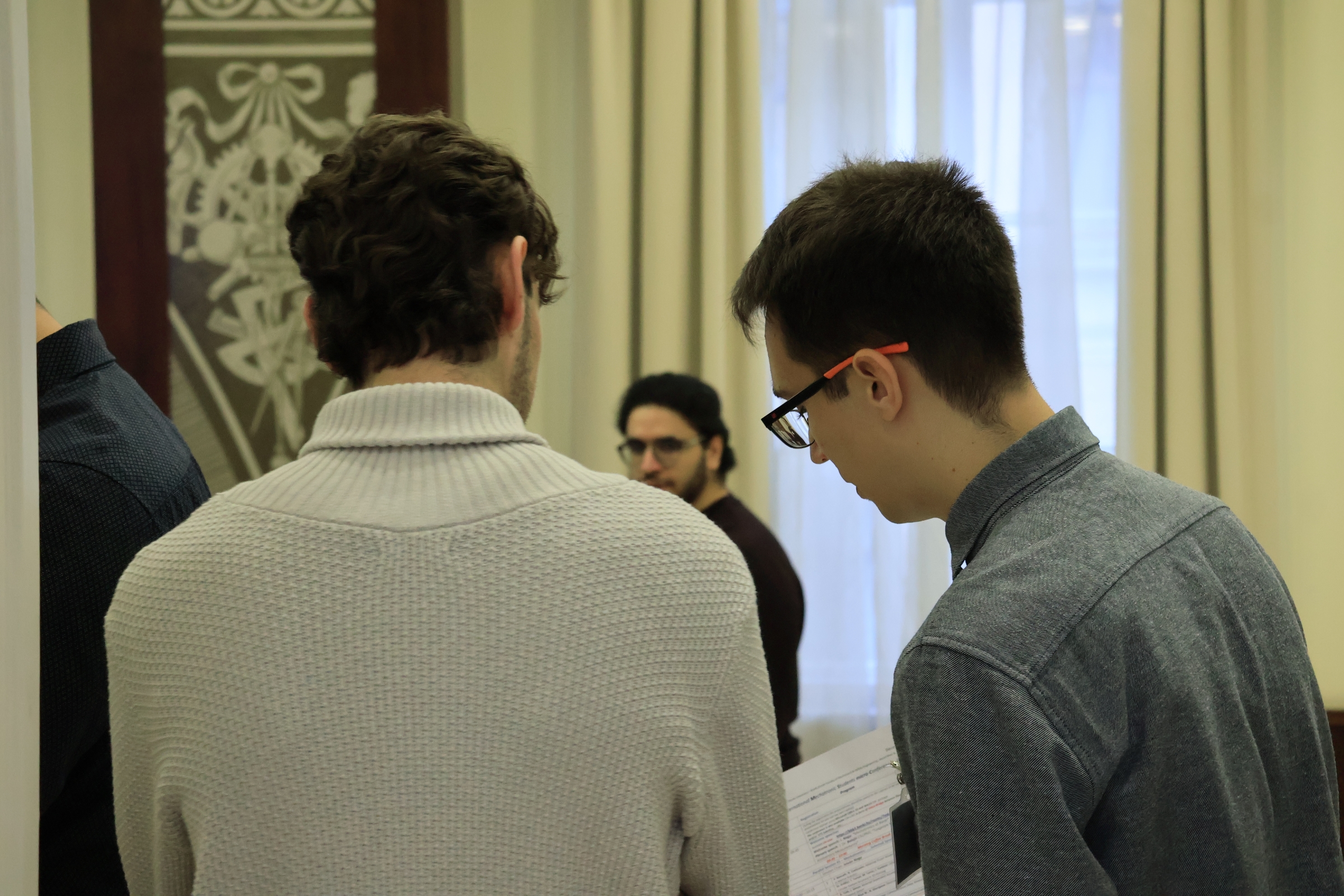
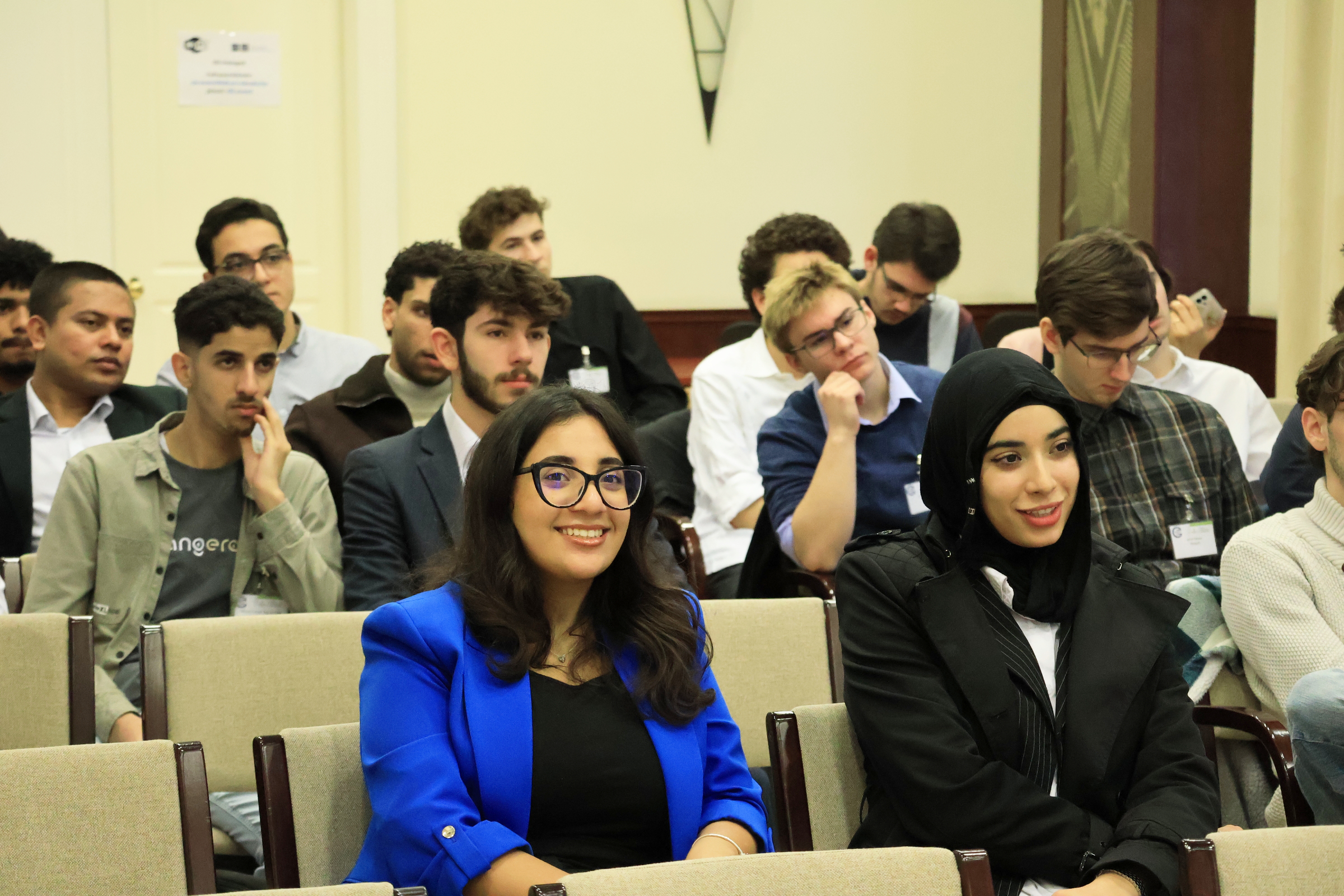
The primary aim of the conference is to provide students – both domestic and international – with an opportunity to connect, deepen their professional knowledge, improve their presentation skills and, importantly, strengthen their English communication proficiency.
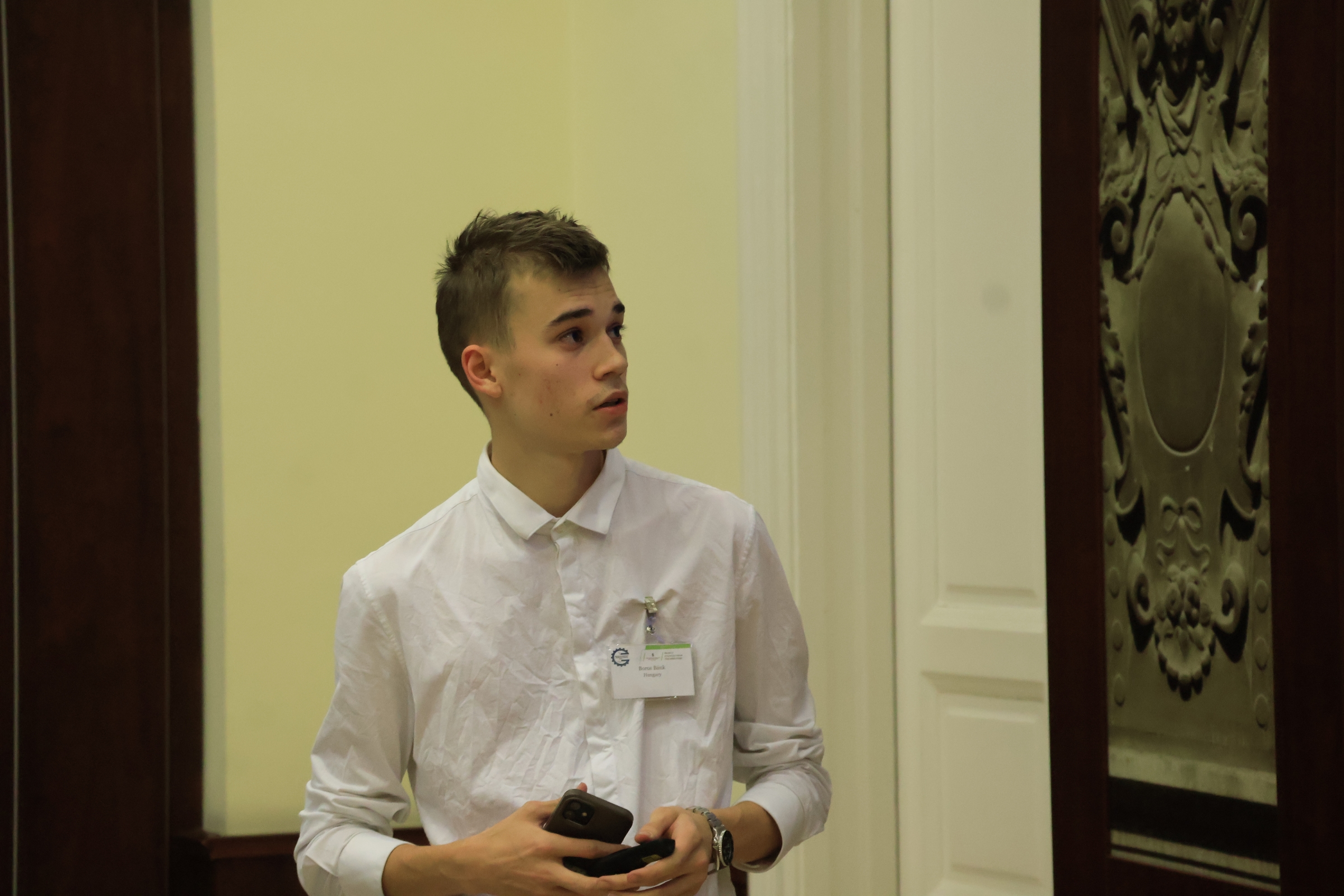
Participation was free of charge for students; however, for smoother organisation, all presenters and potential attendees (teachers, students, visitors) were required to register in advance via the conference website. Reflecting its international character, the official language of the event was English. For the seventh time, submissions were accepted in the form of 4–6 page conference papers. Each paper underwent a double-blind review process prior to acceptance, and all accepted papers were presented during the conference. The best papers will be compiled into the official conference proceedings, available electronically on the conference website. This publication carries an ISBN and may also be printed upon request for a fee. Papers passing a second round of review will have the opportunity to be published in the Bánki Reports journal, registered with an ISSN.
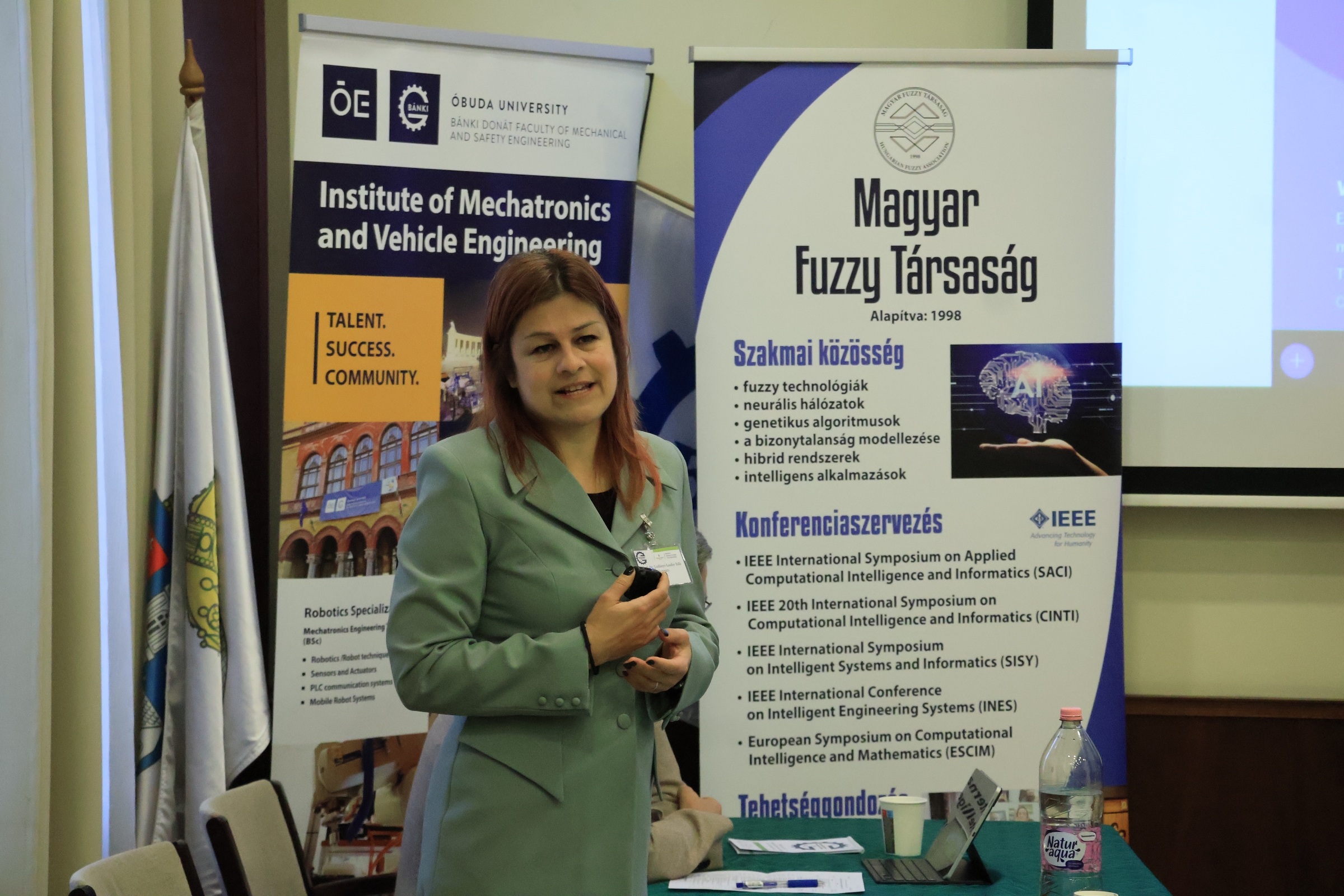
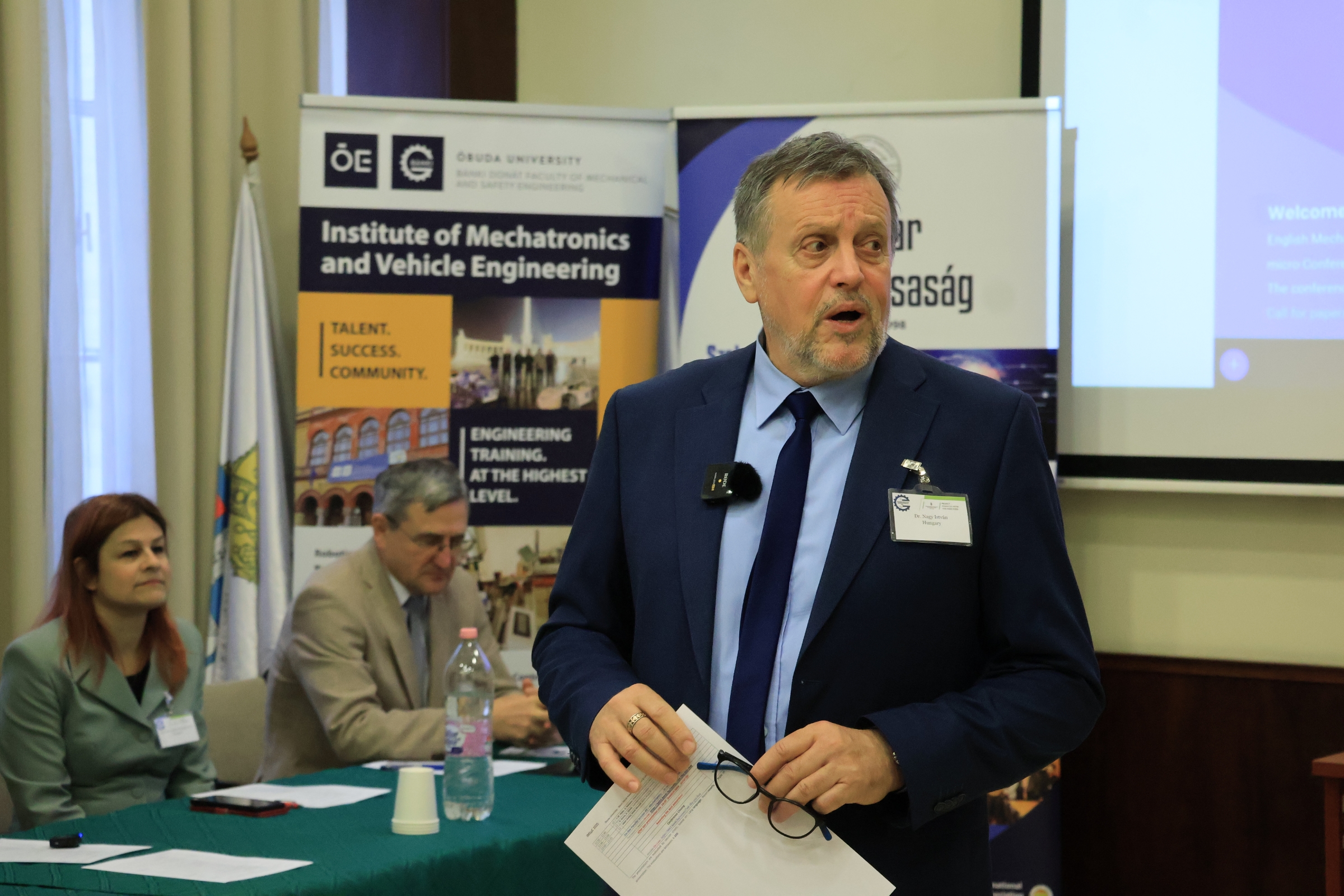
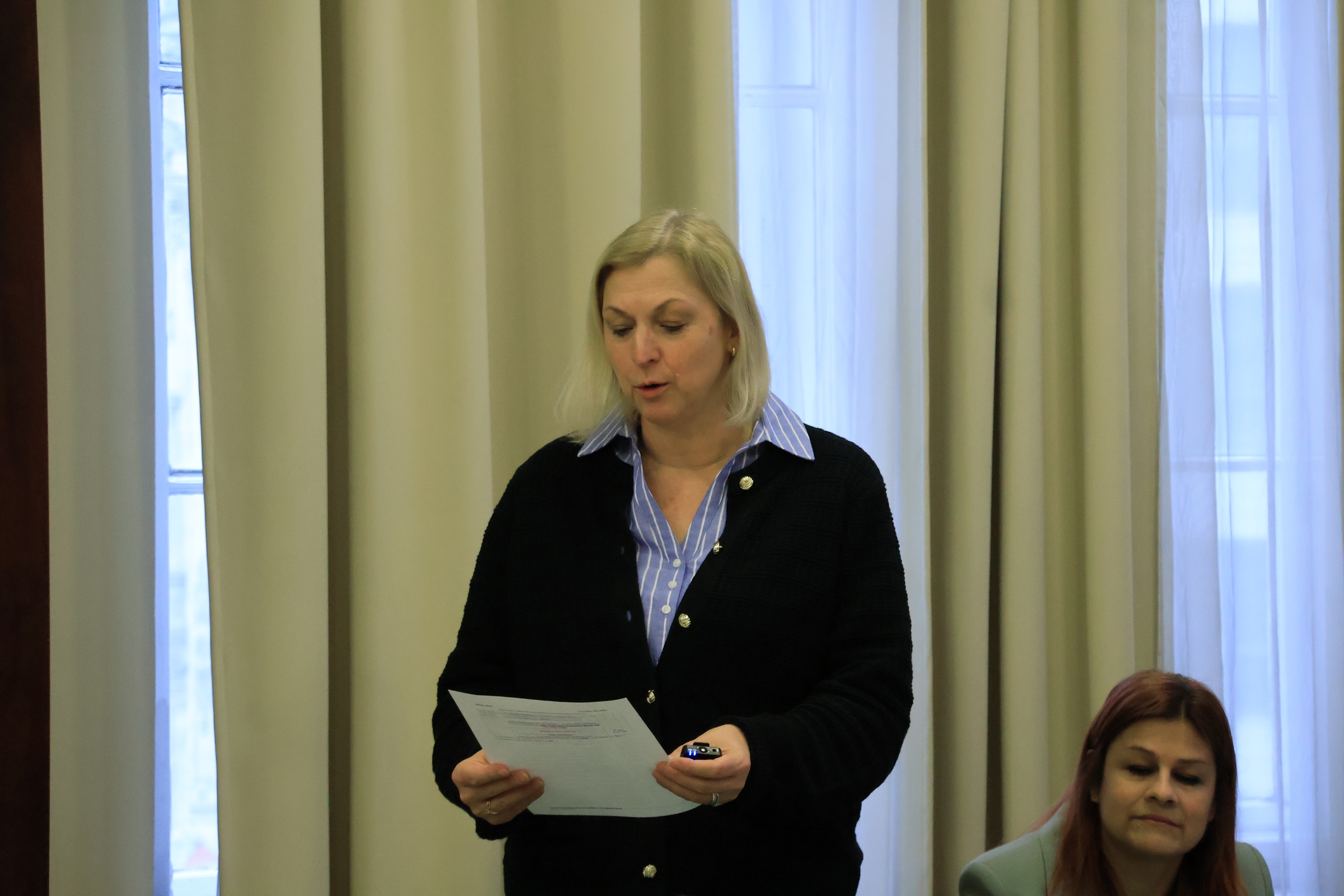
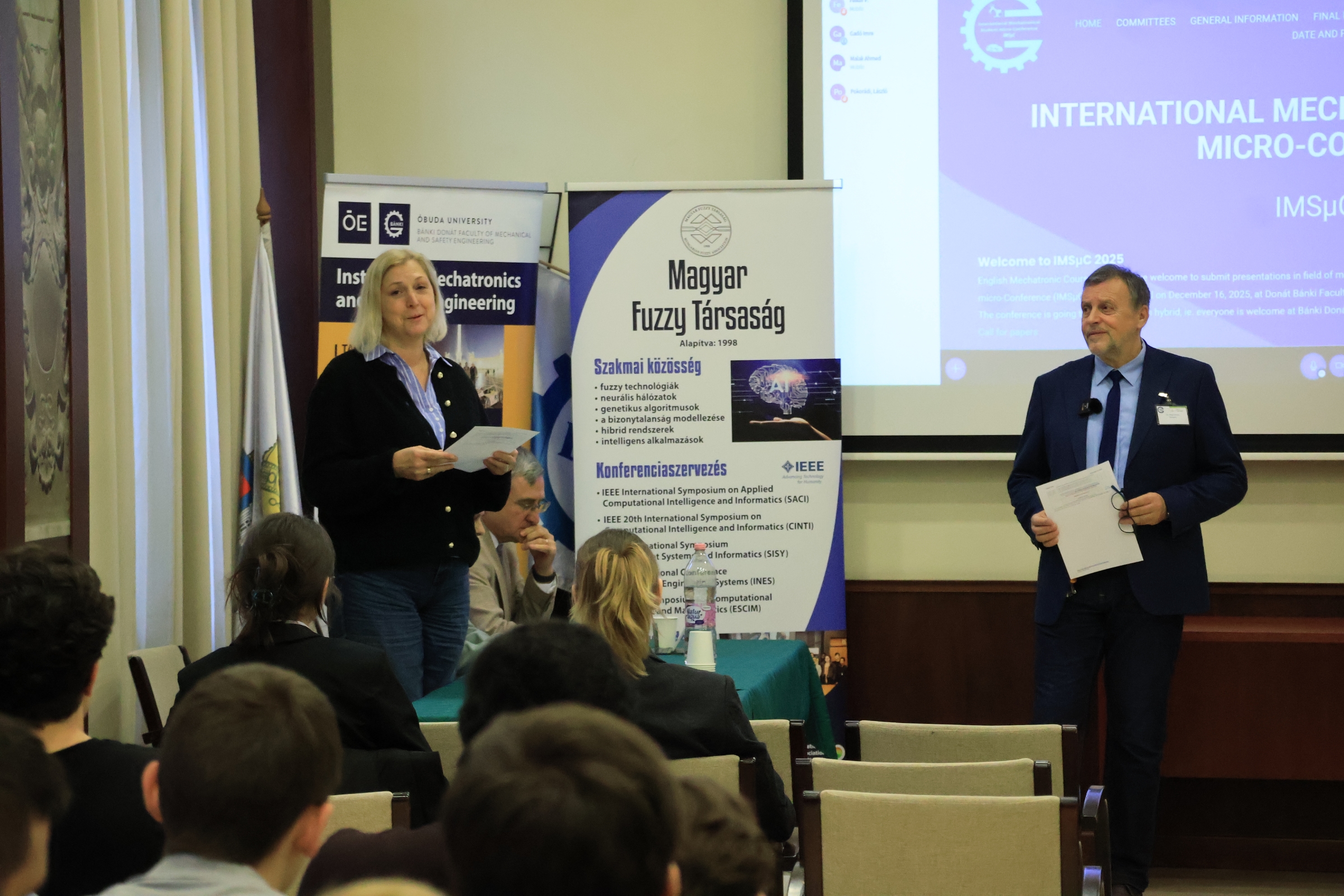
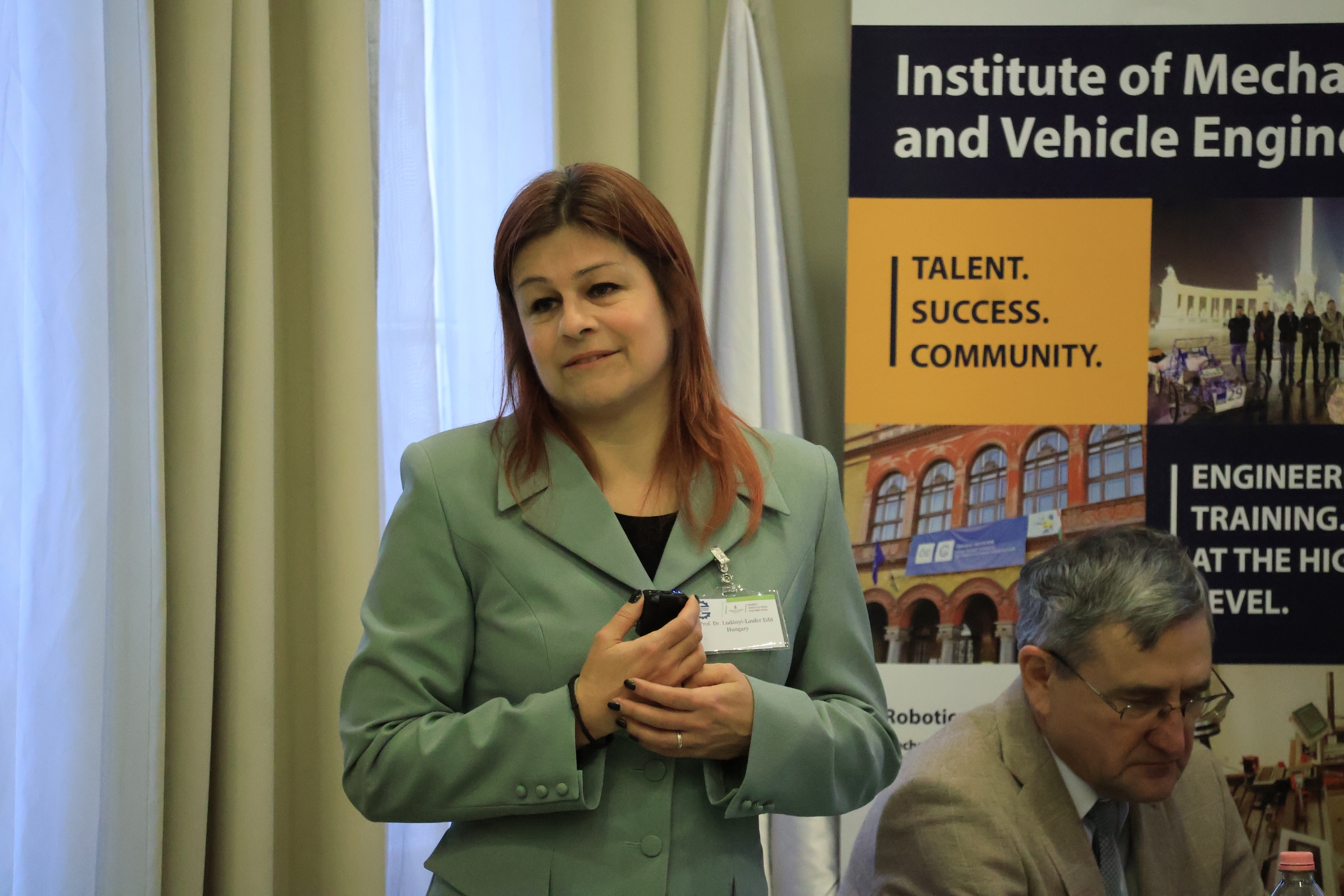
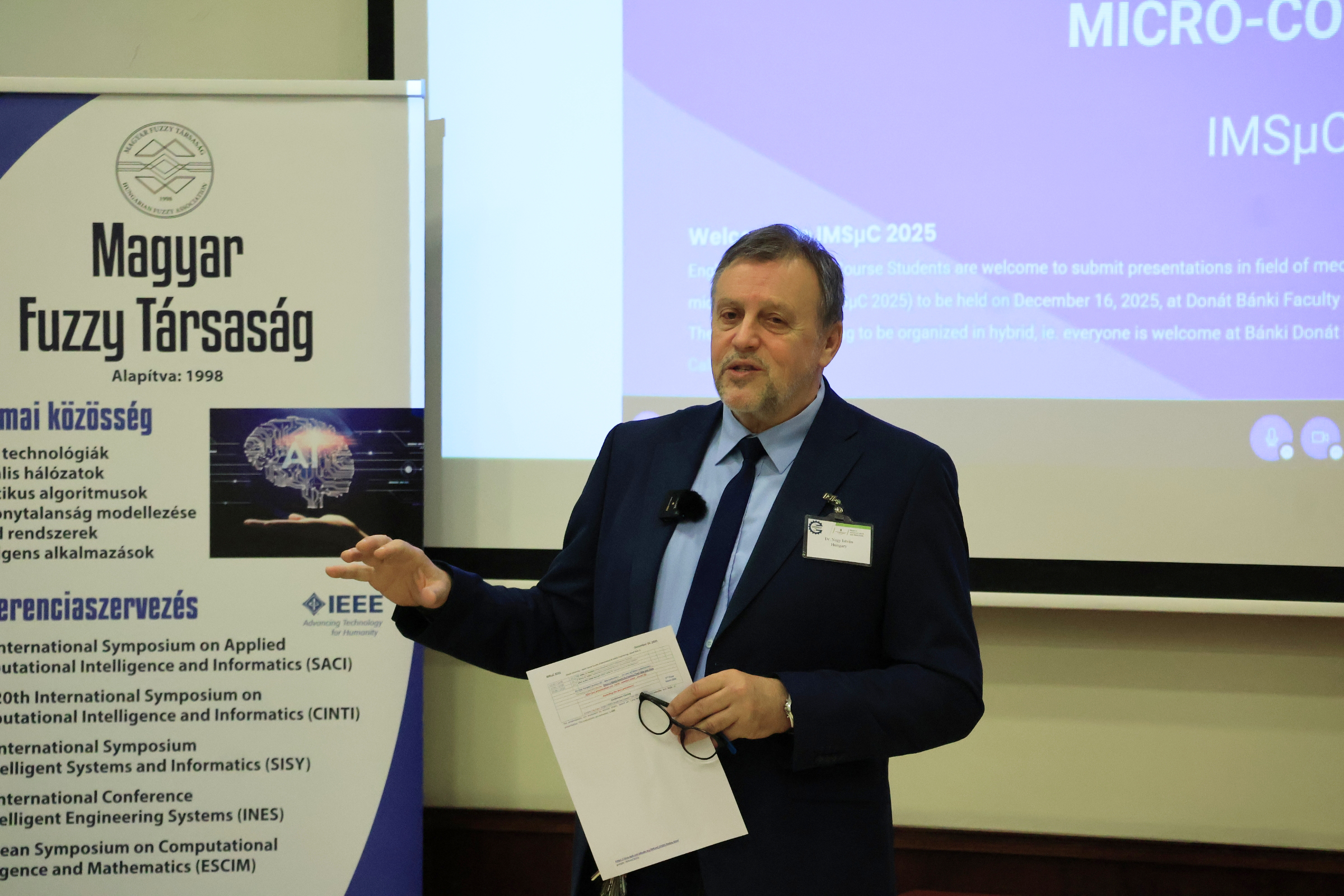
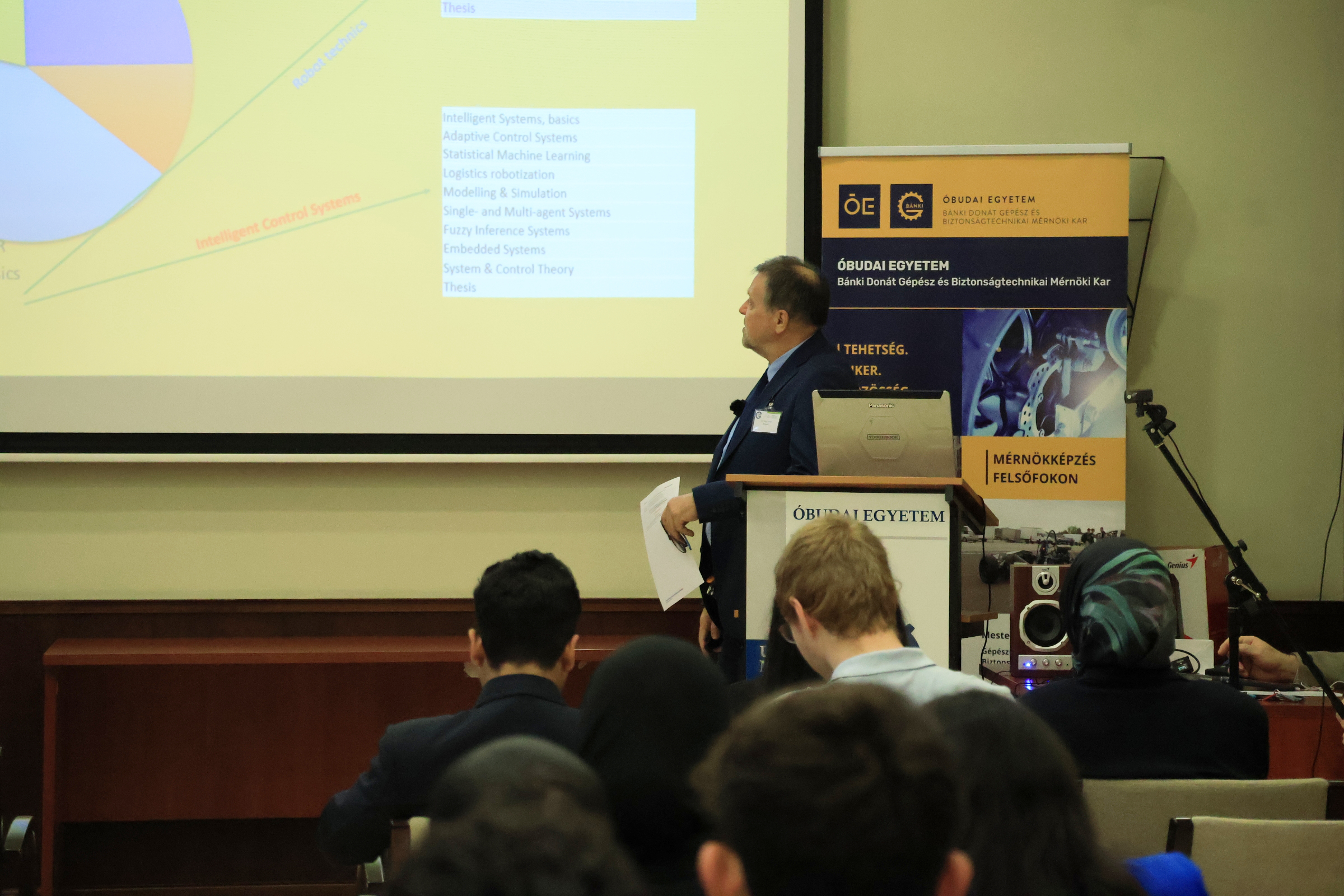
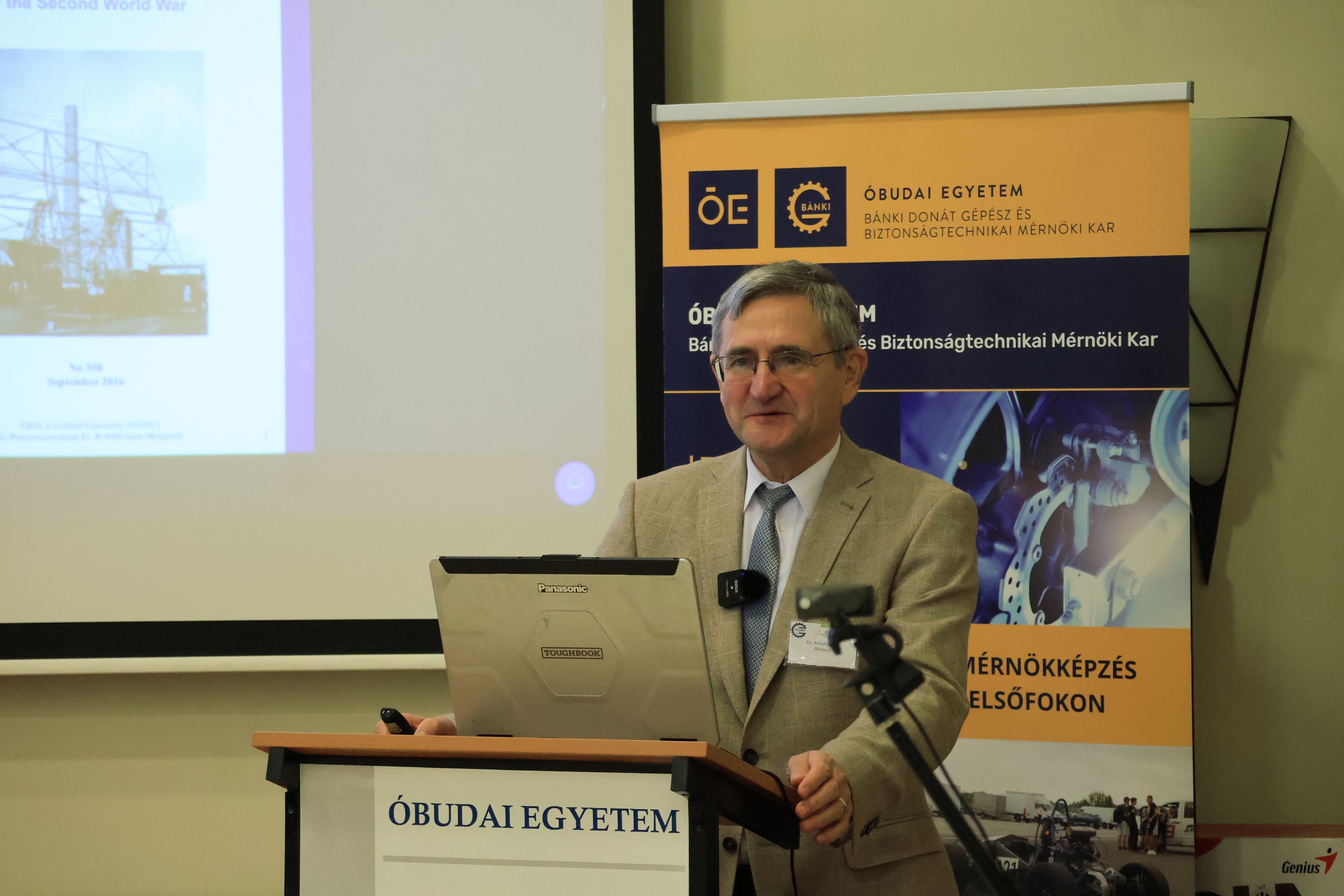
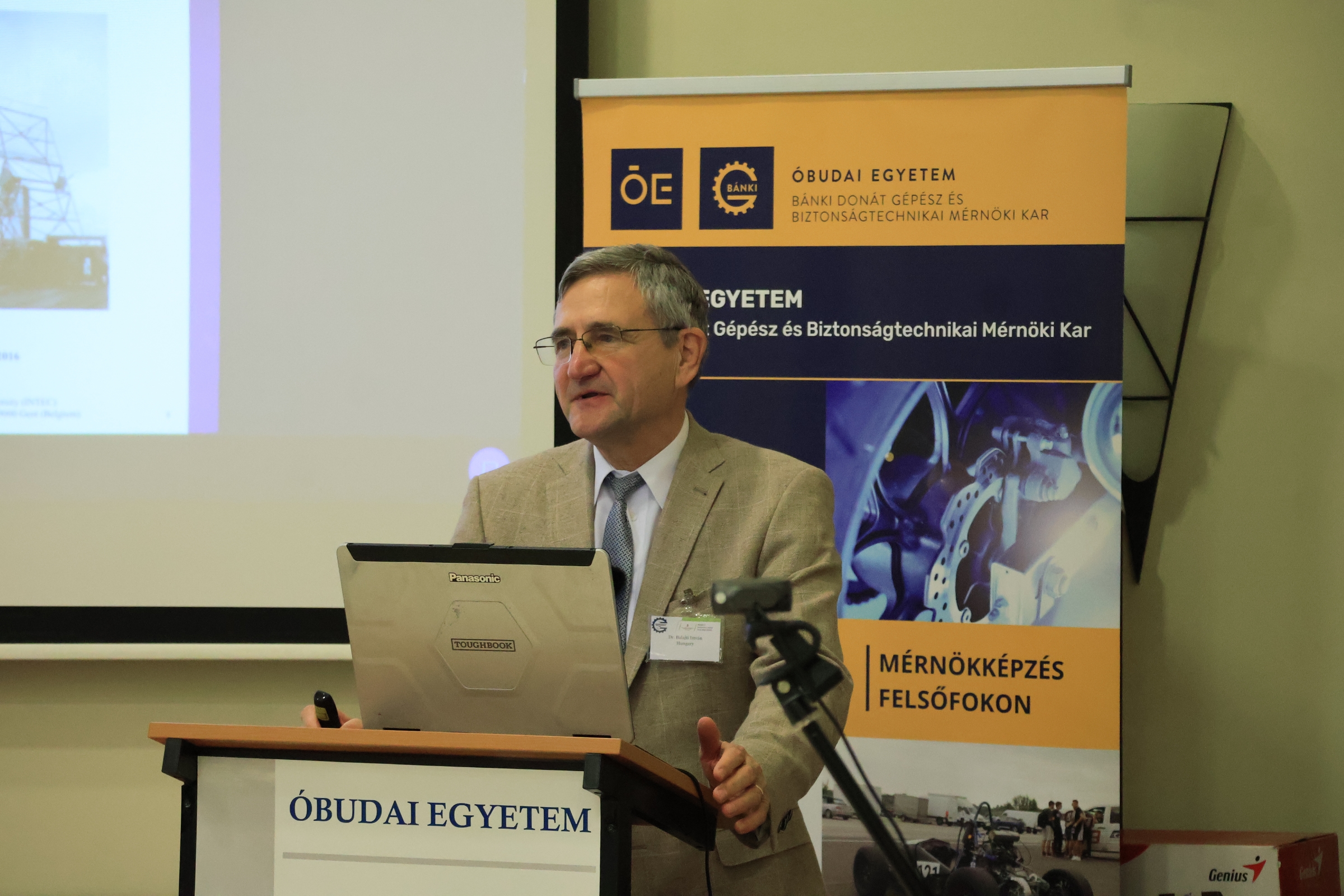
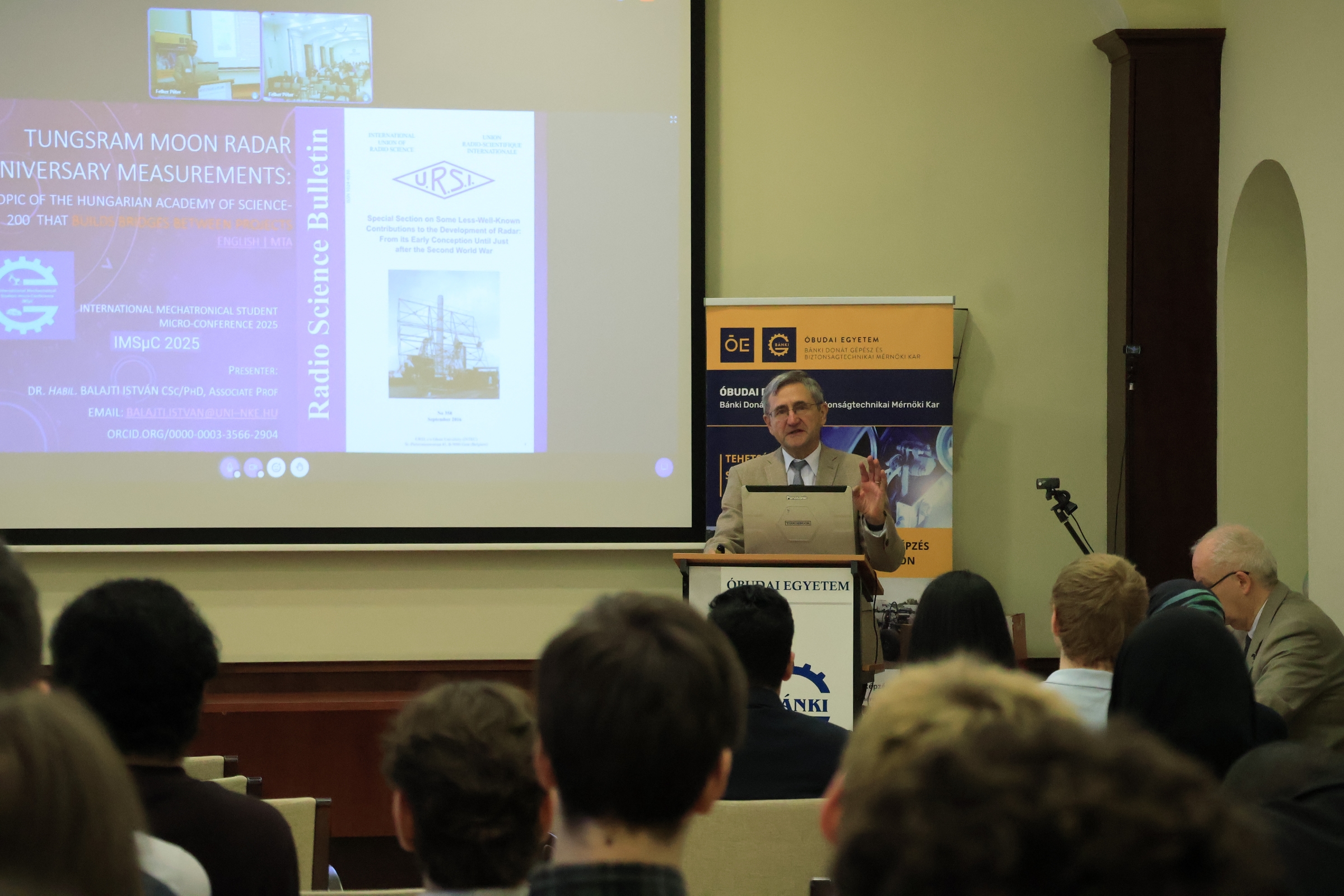
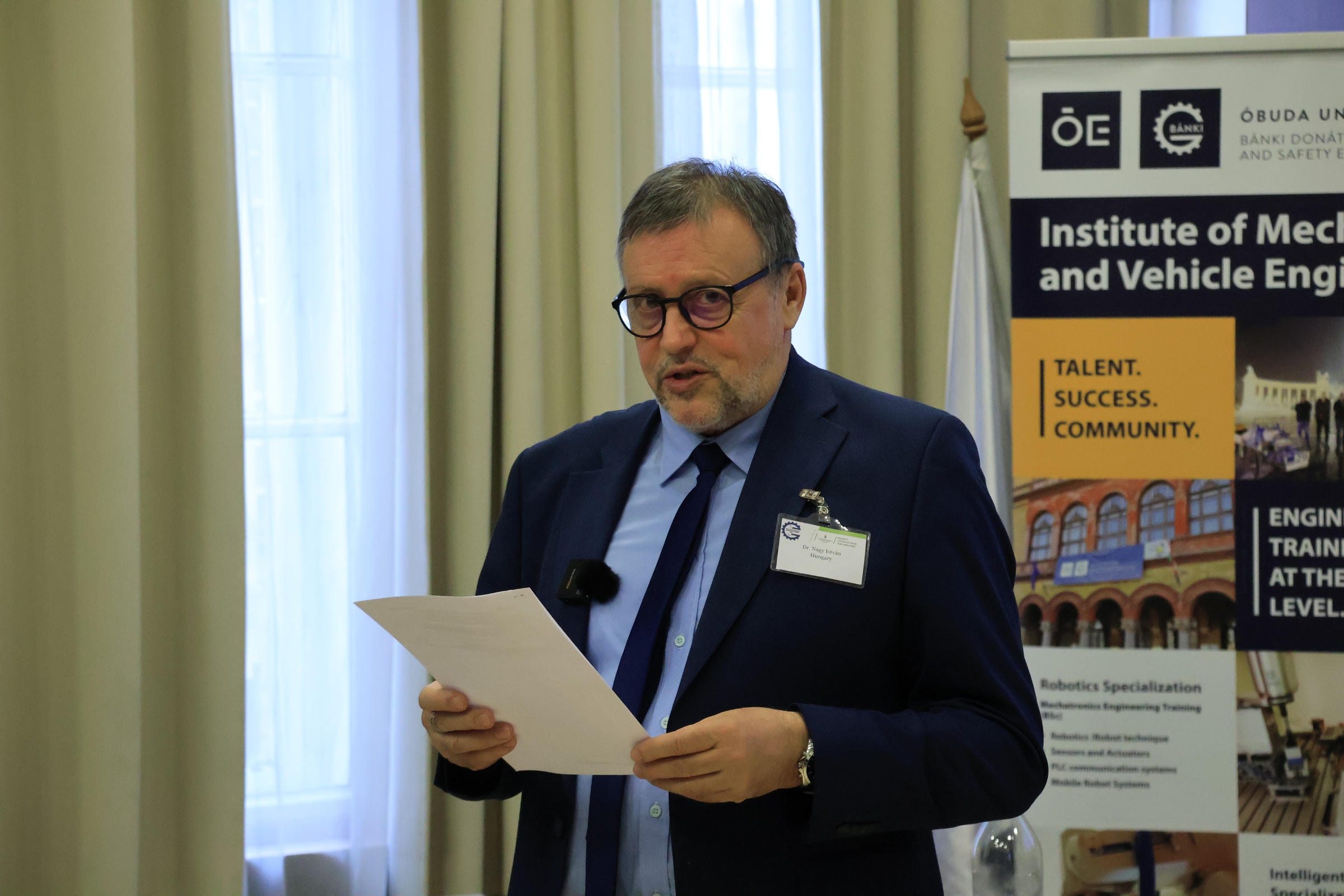
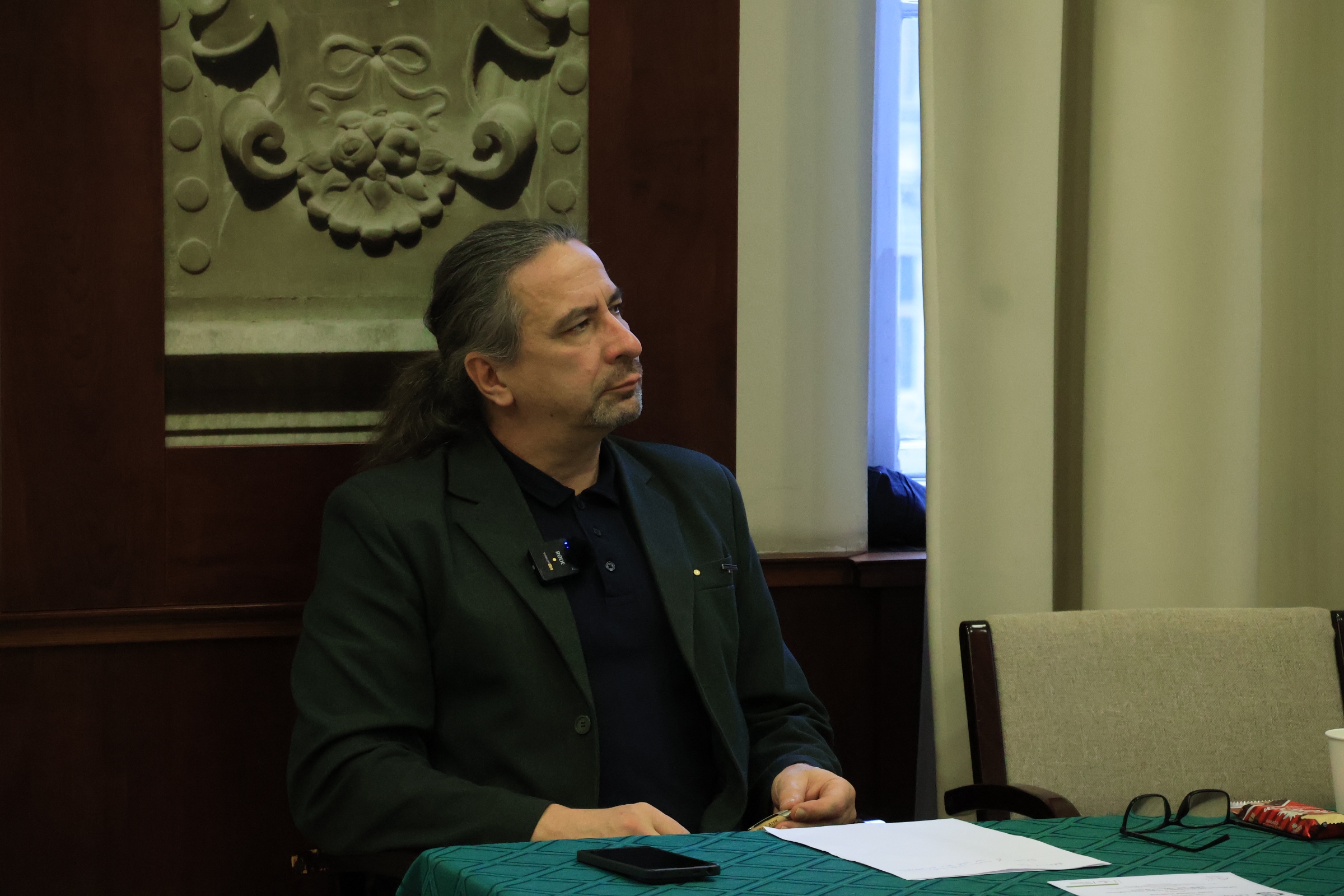
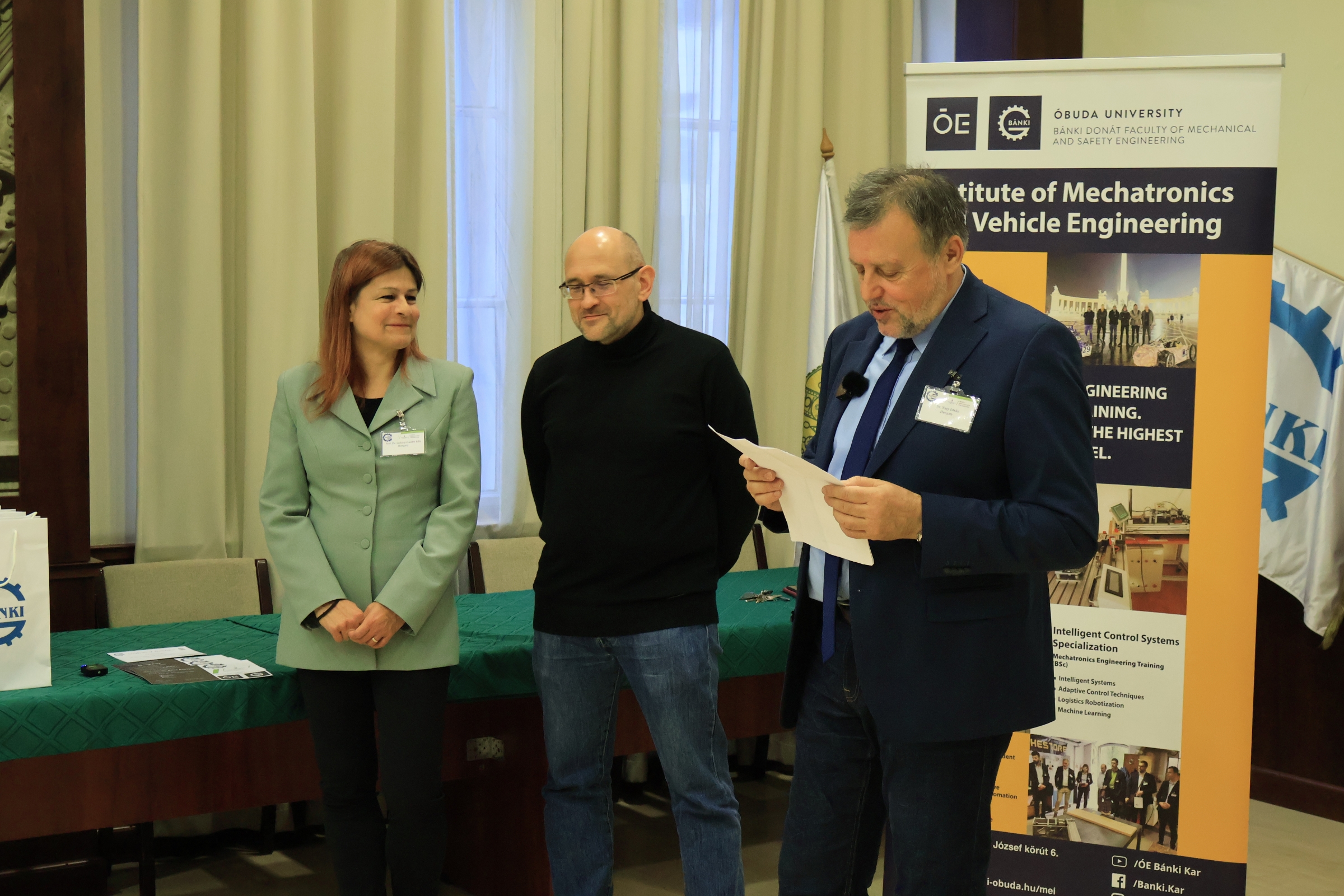
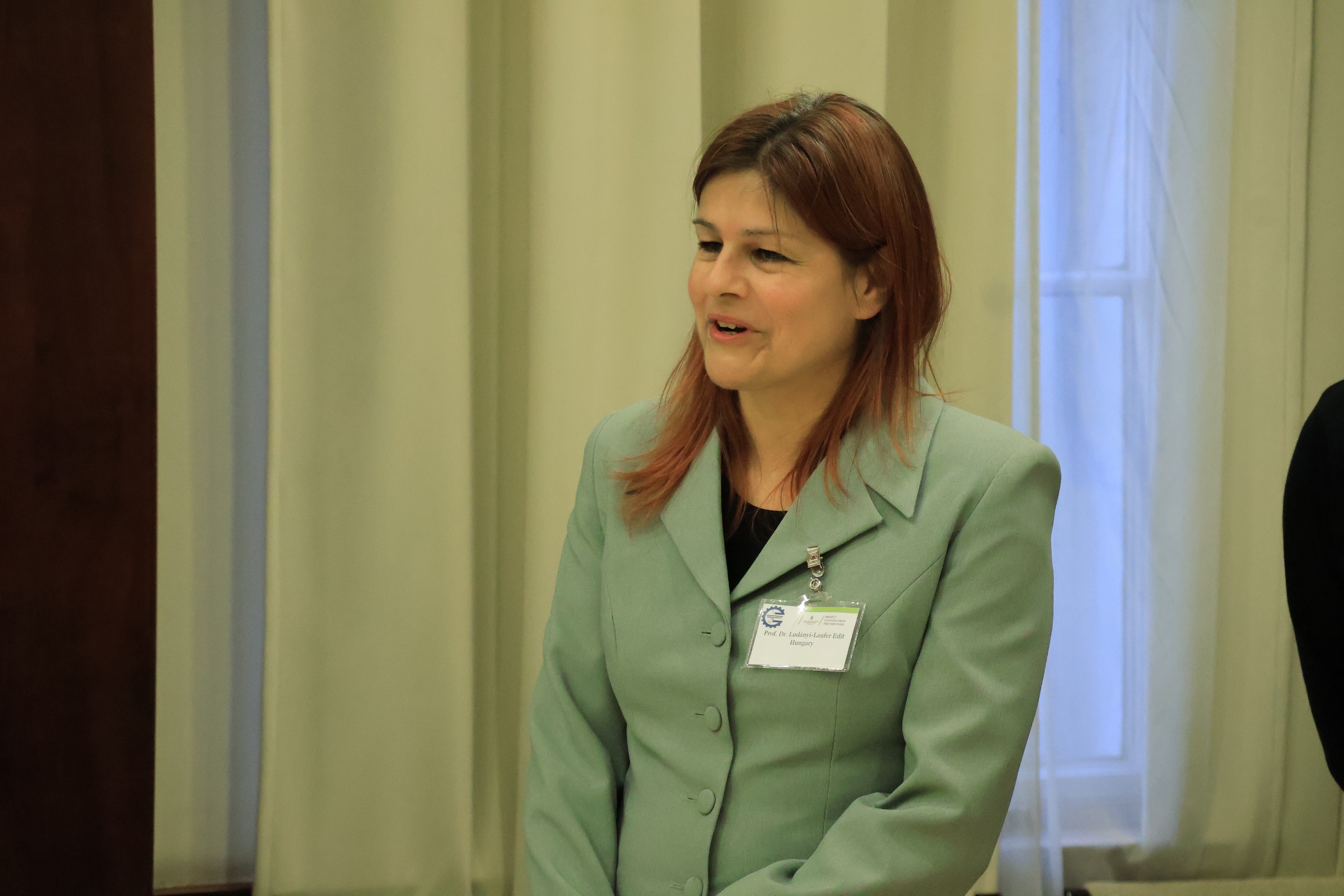
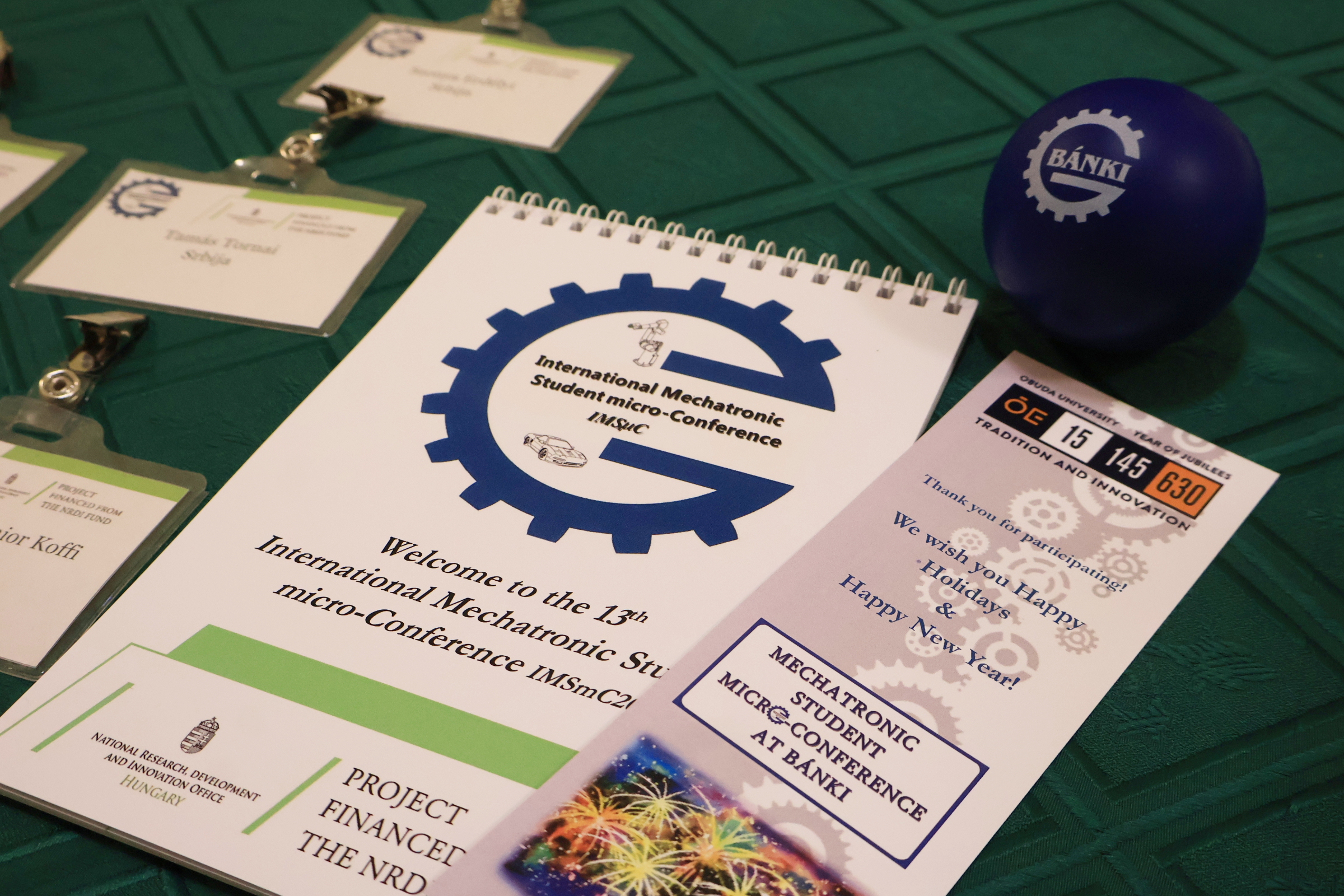
The conference closely mirrored the structure of major international events. Proceedings began with participant registration and distribution of conference materials, followed by the official programme. After the opening ceremony, Dr István Nagy, founder of the conference series, invited Prof. Dr Tünde Kovács and Prof. Dr Edit Ludányi-Laufer to welcome participants on behalf of the hosts. This was followed by a plenary lecture by Dr habil István Balajti entitled “TUNGSRAM MOON RADAR ANNIVERSARY MEASUREMENTS: TOPIC OF THE HUNGARIAN ACADEMY OF SCIENCE-200 THAT BUILDS BRIDGES BETWEEN NATIONS”. The official opening was succeeded by a coffee break and then the scheduled sessions.
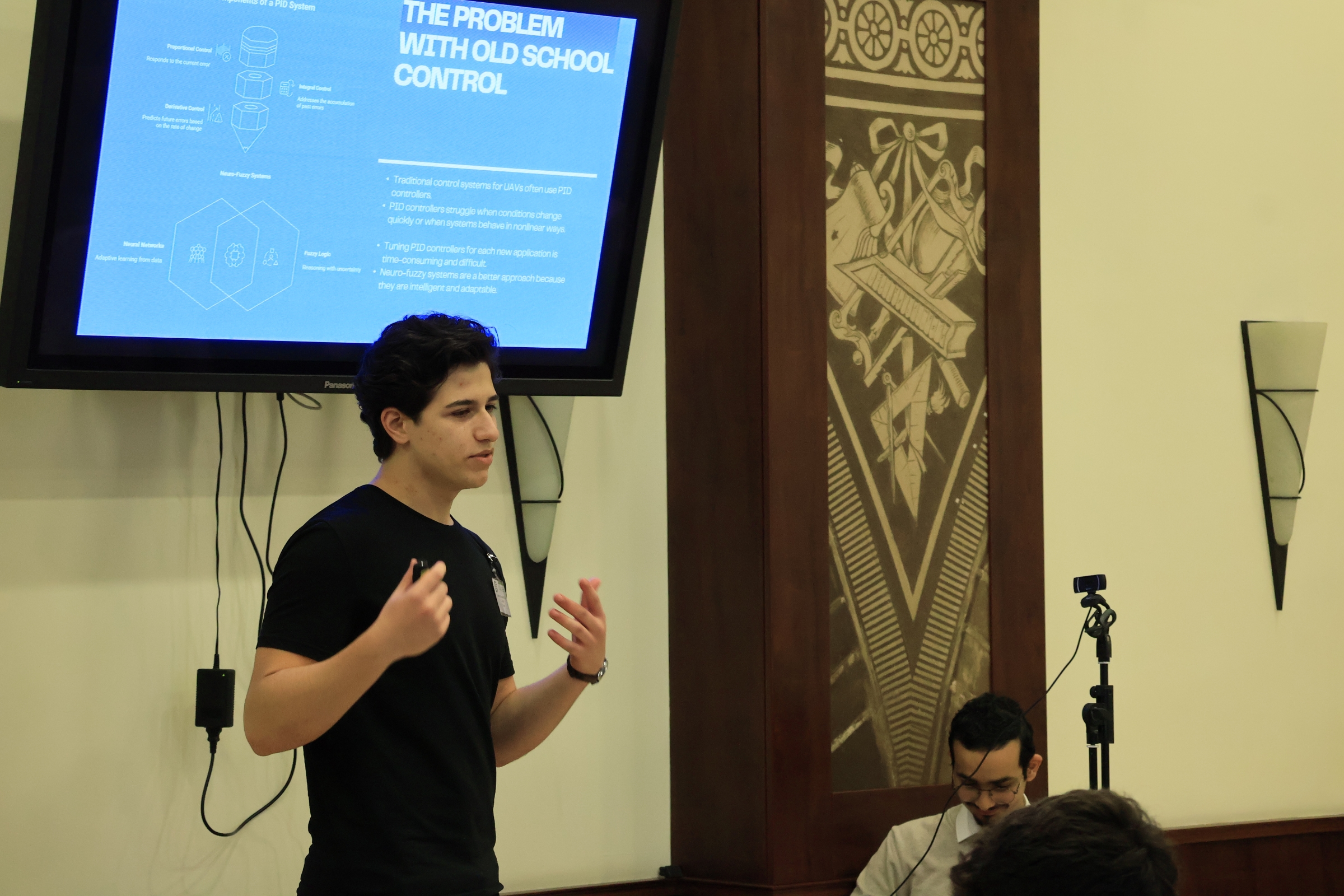
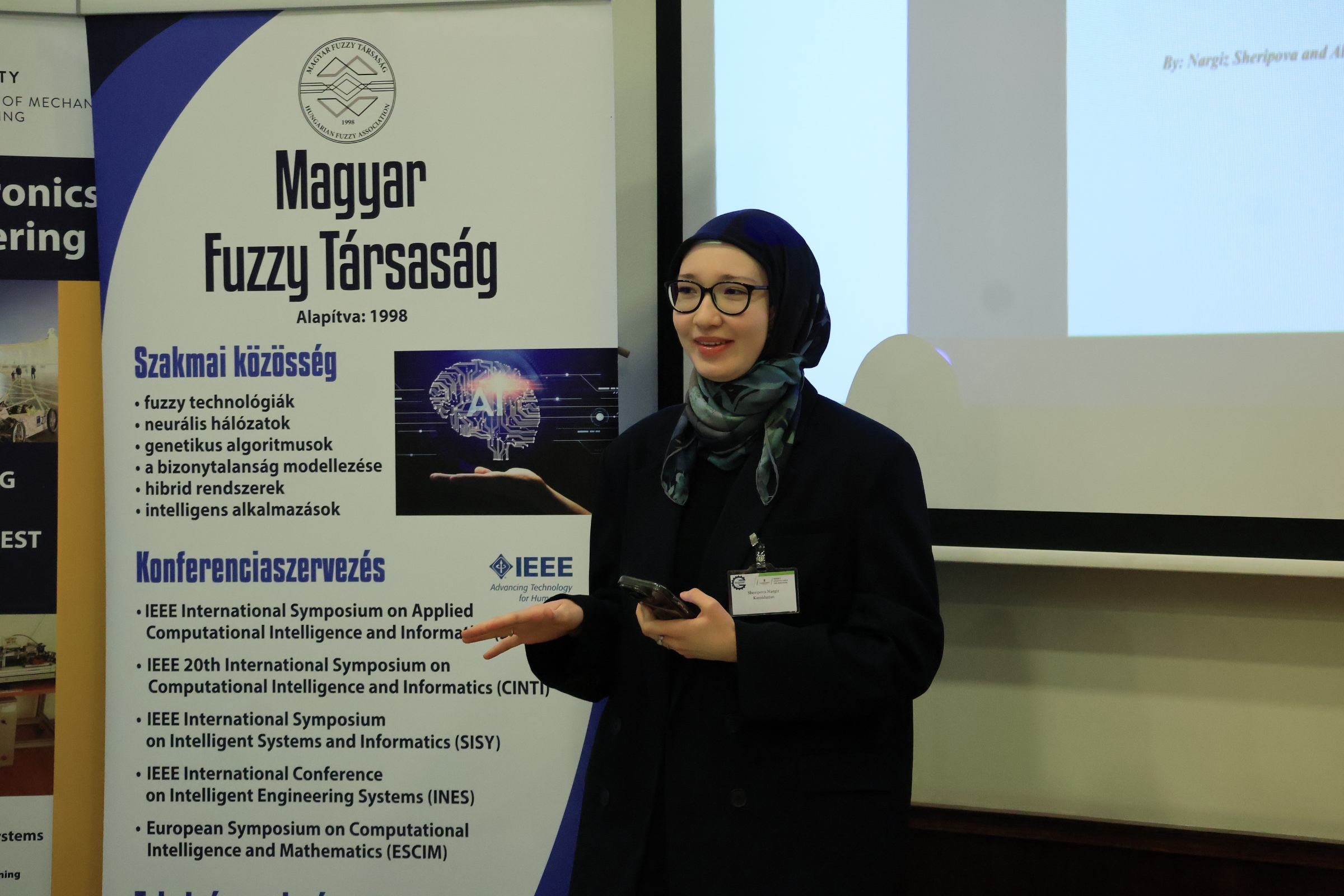
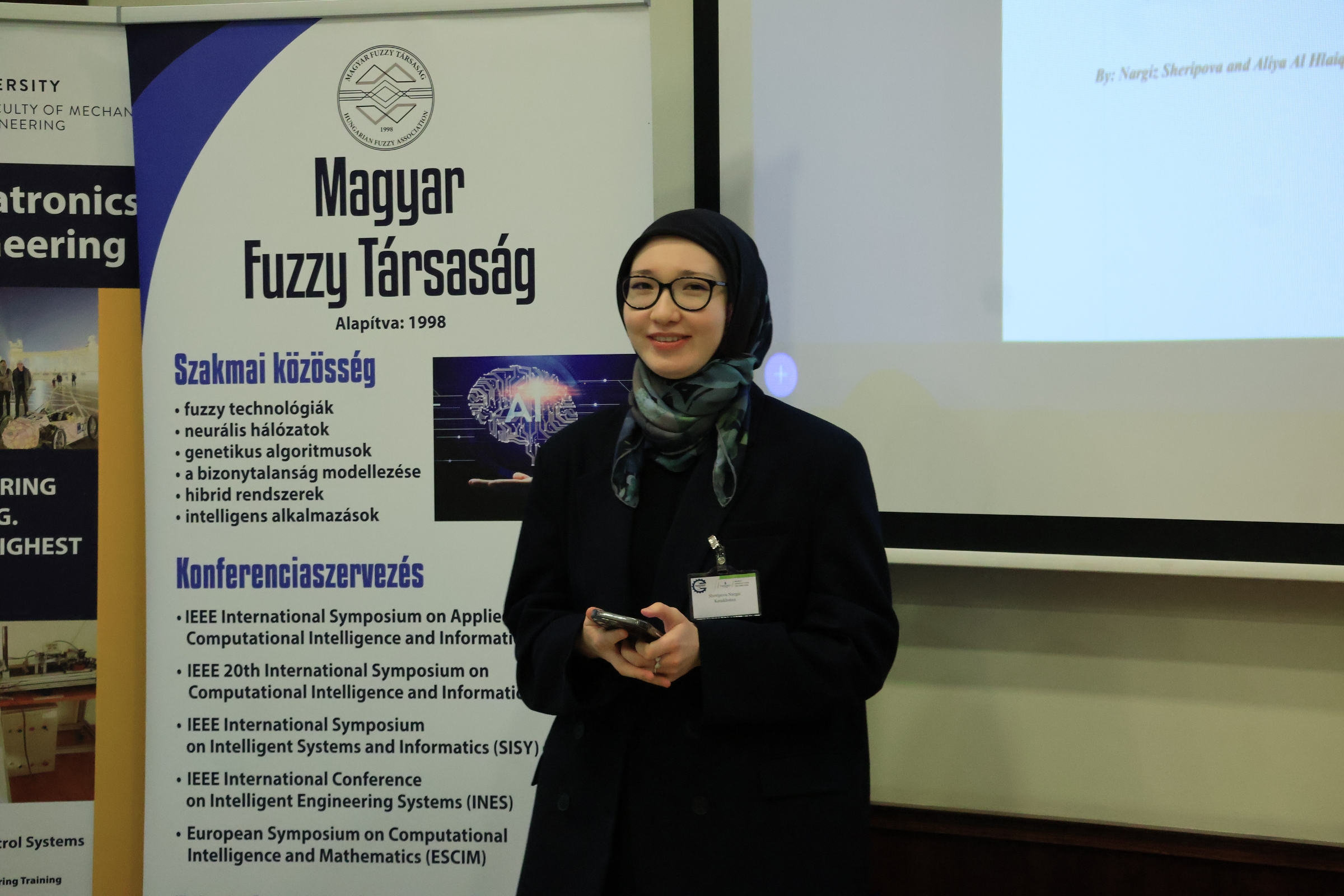
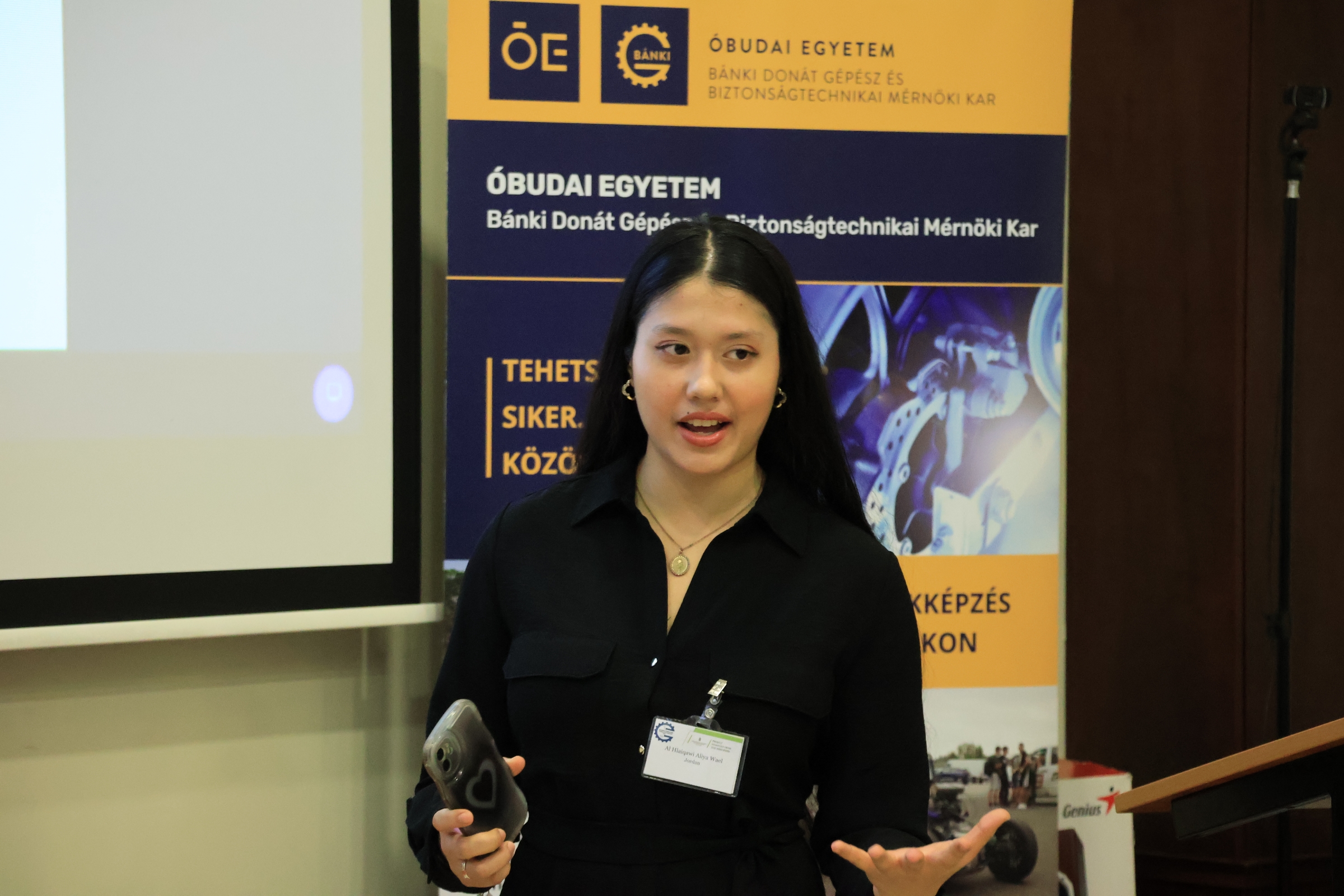
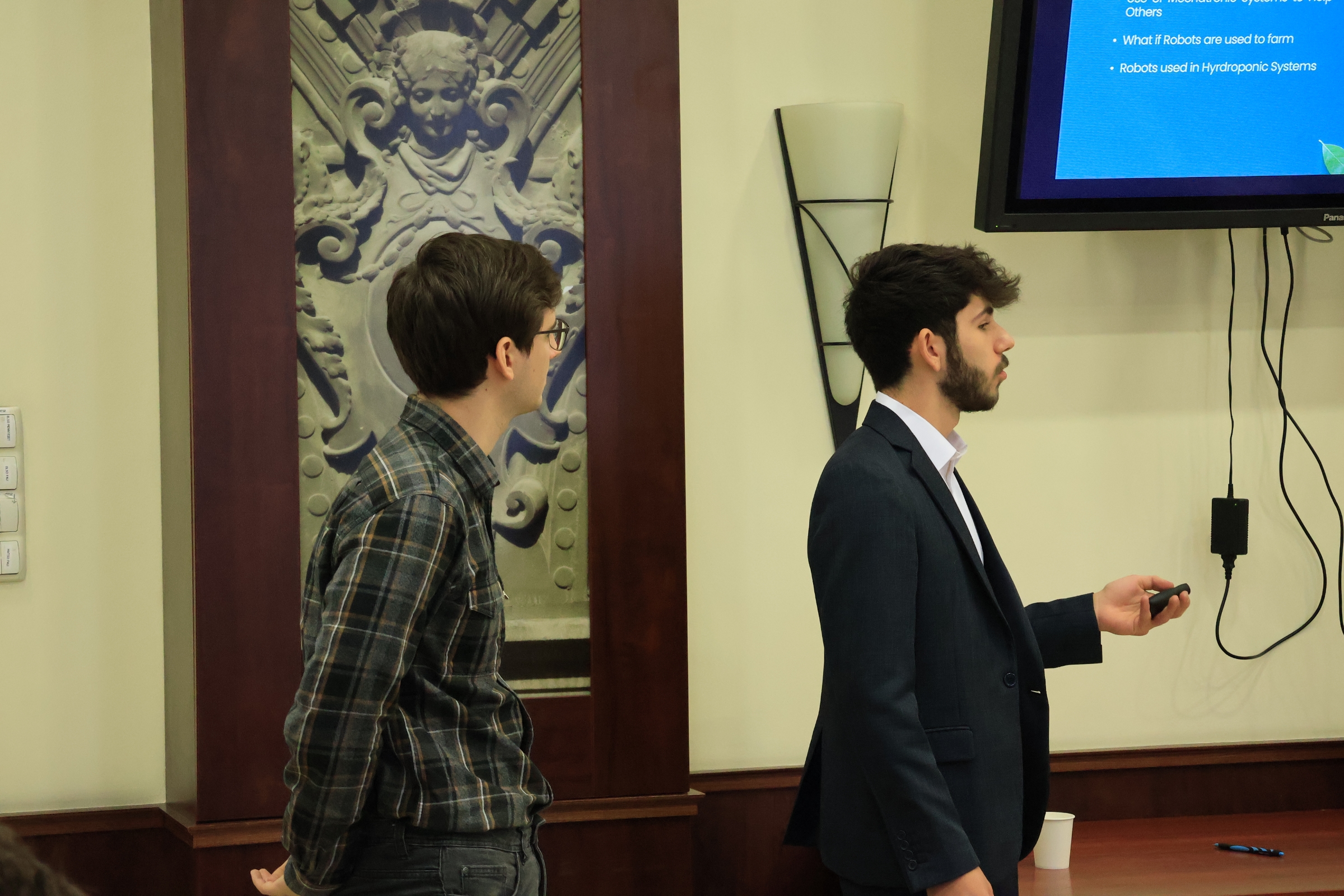
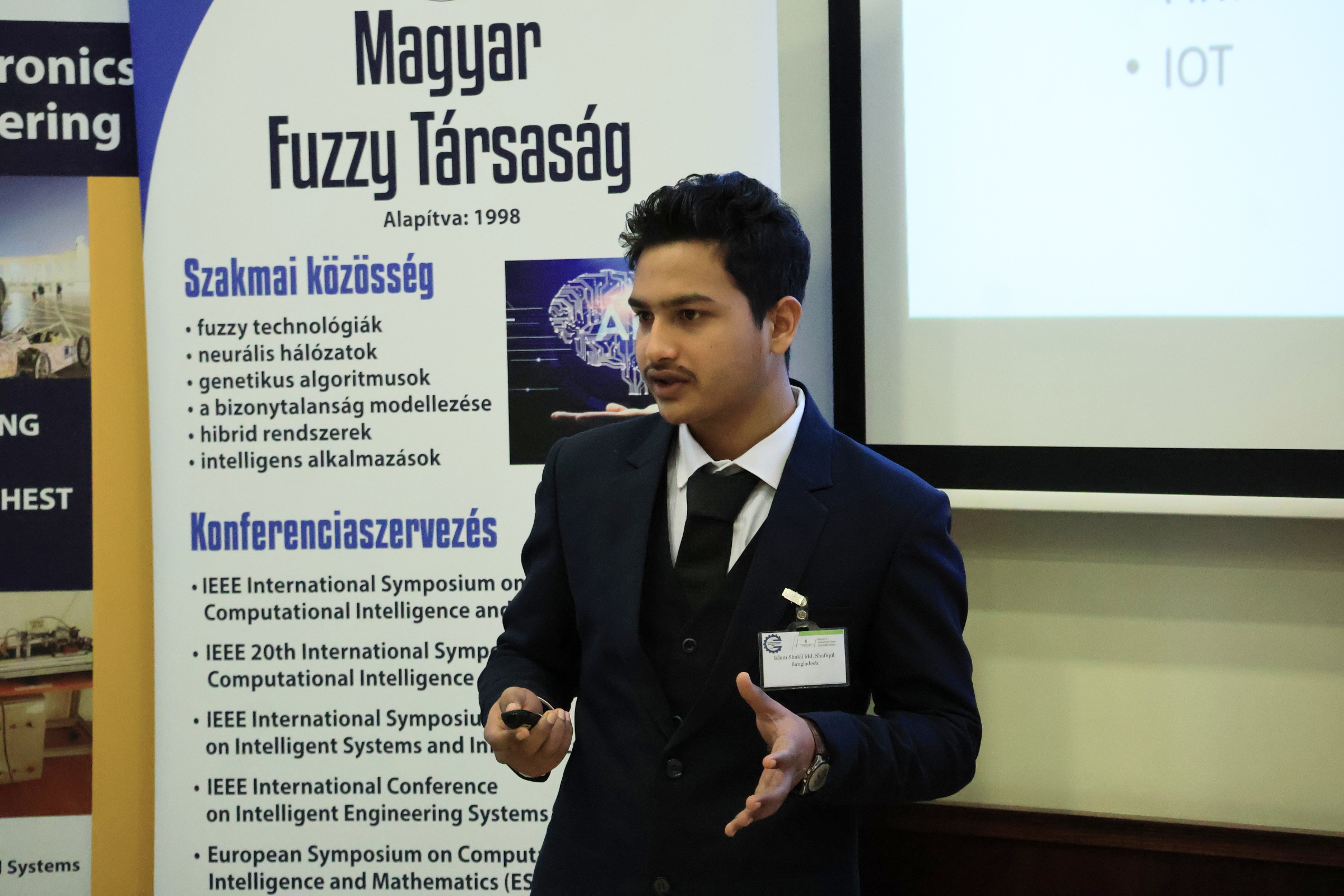
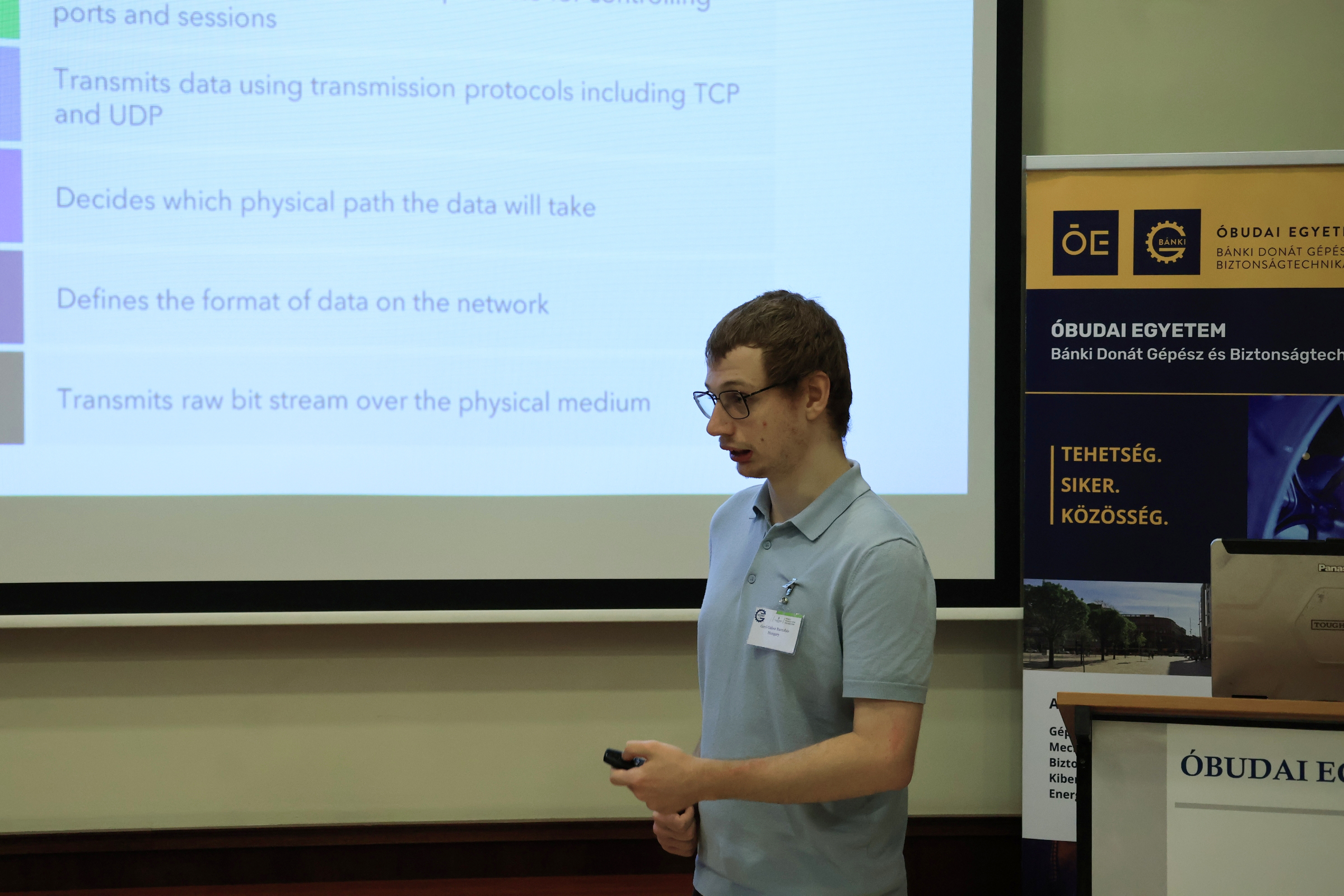
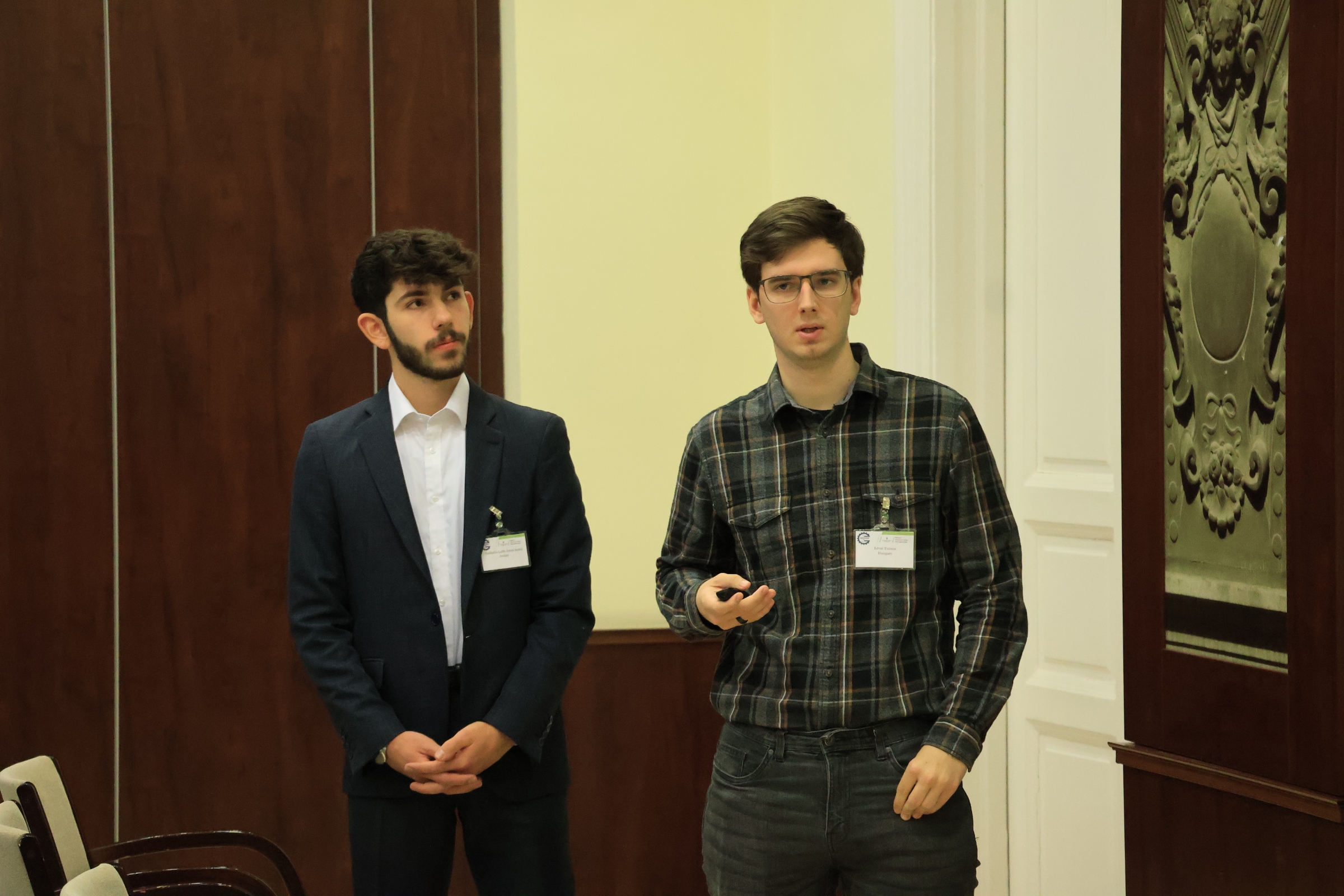
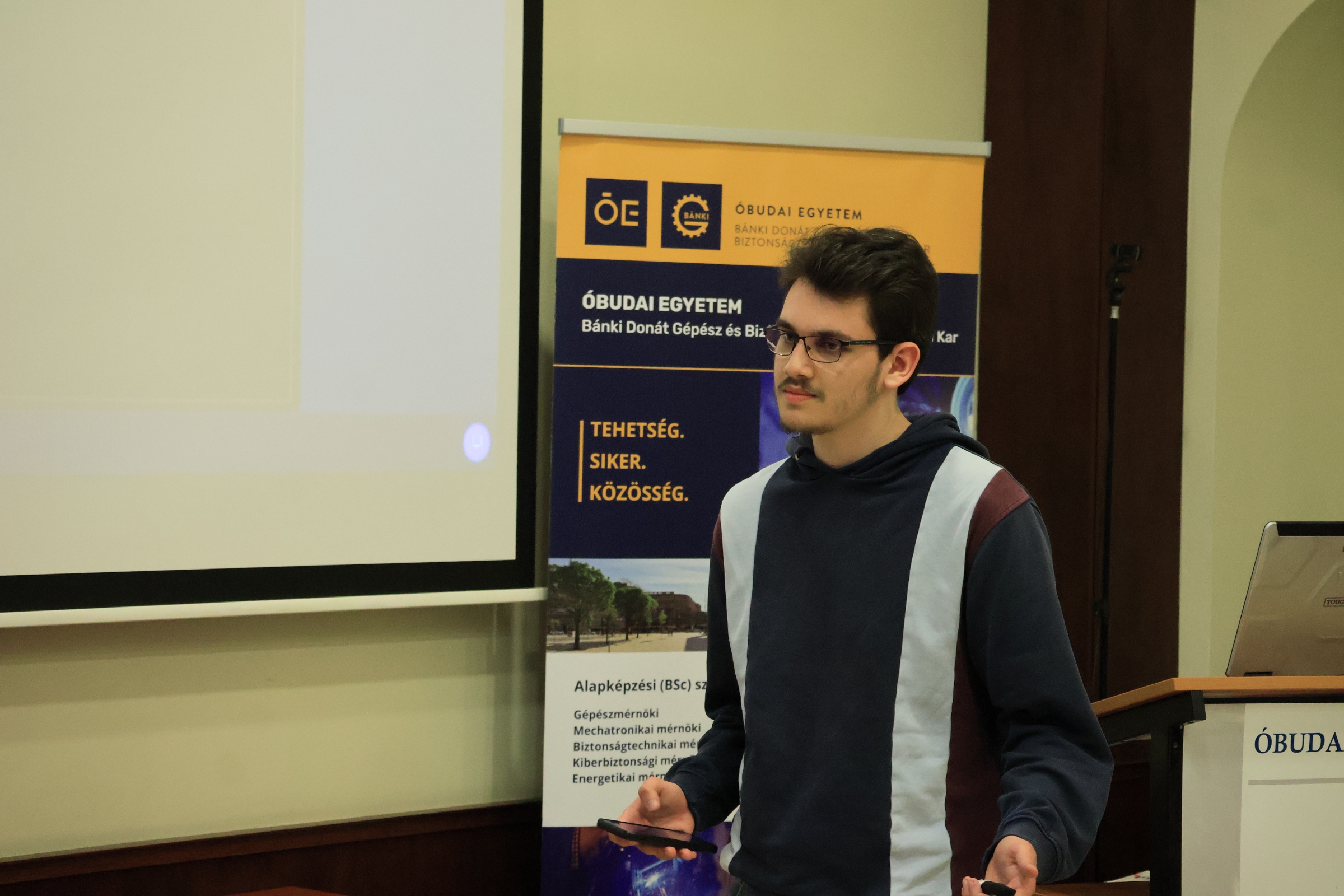
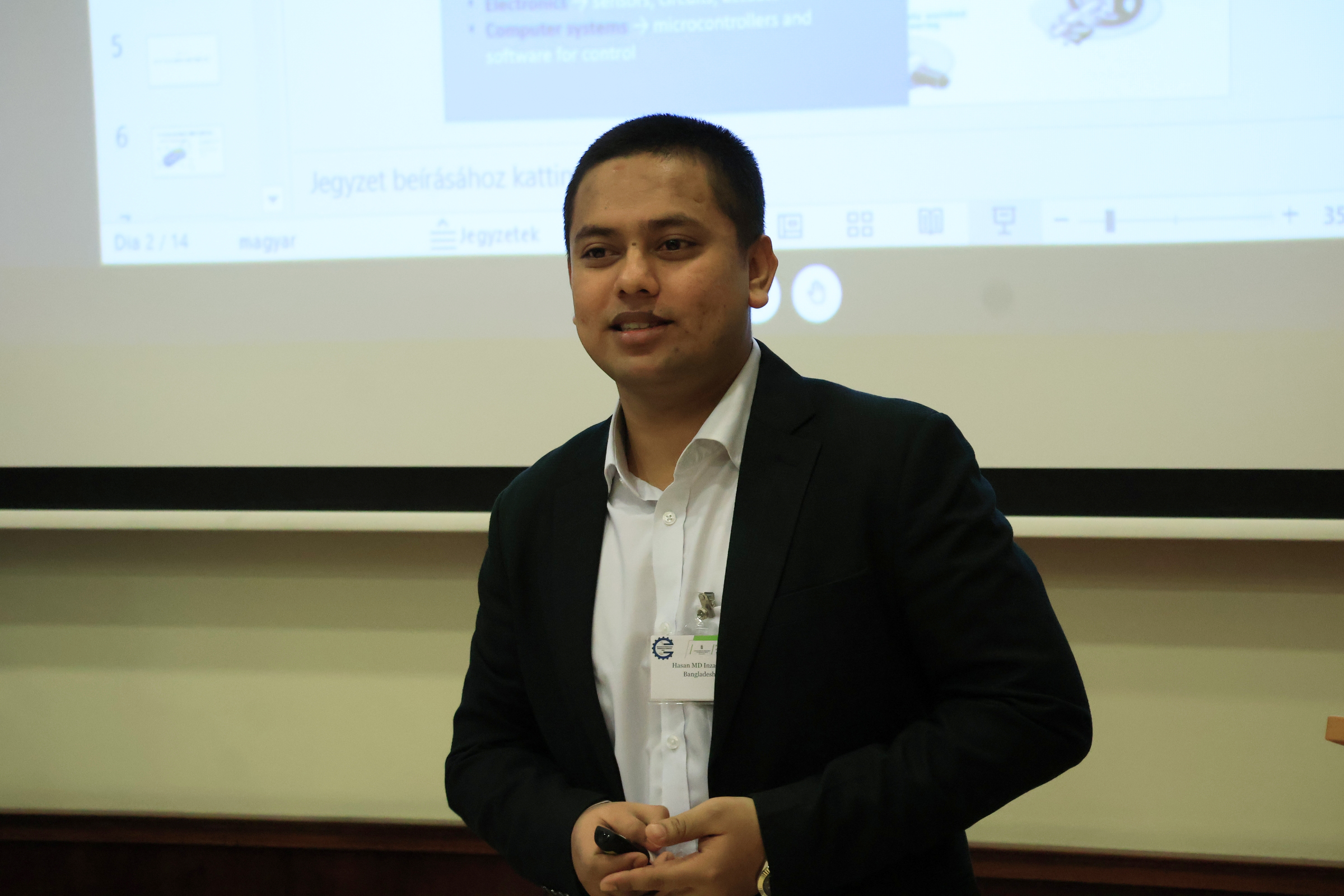
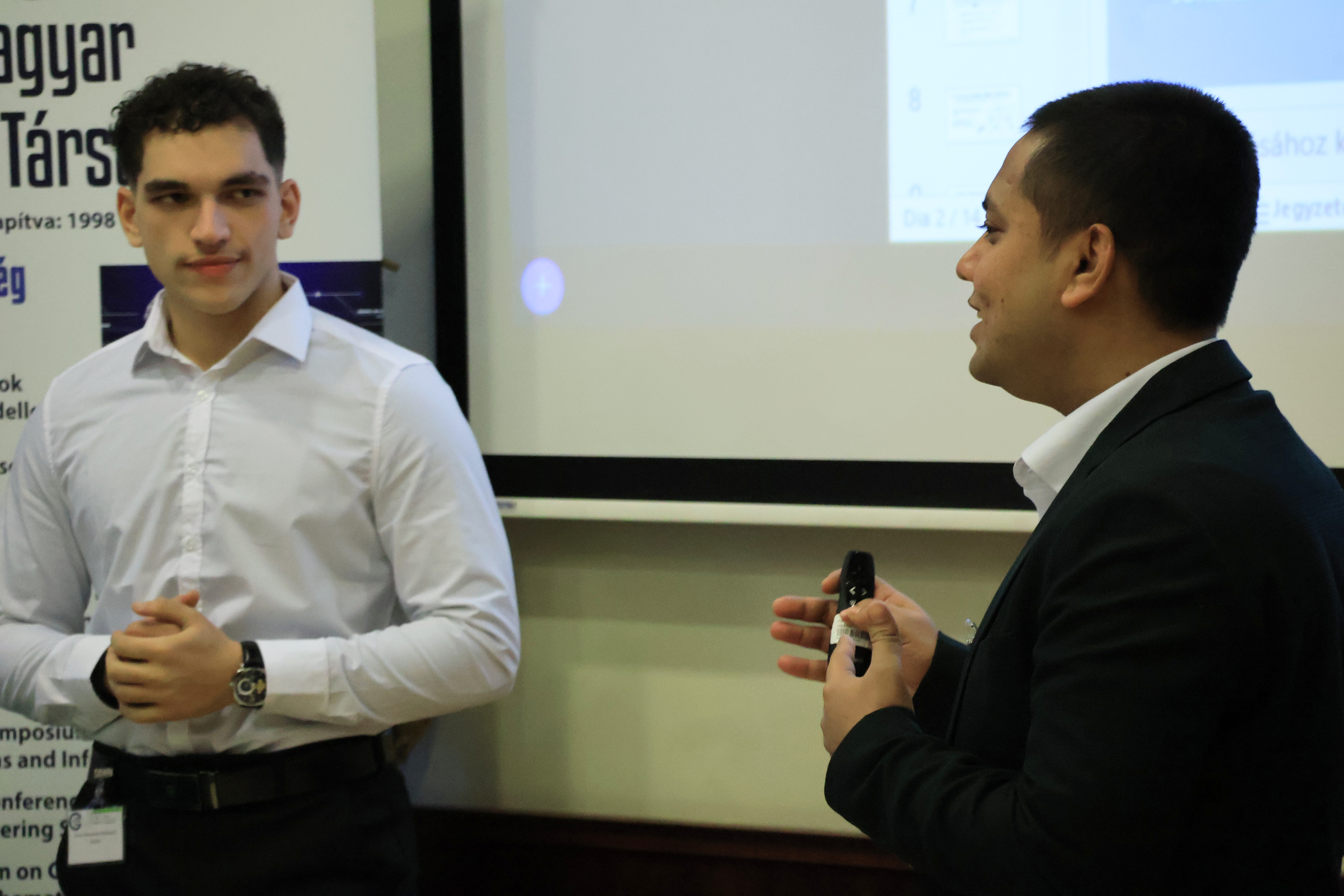
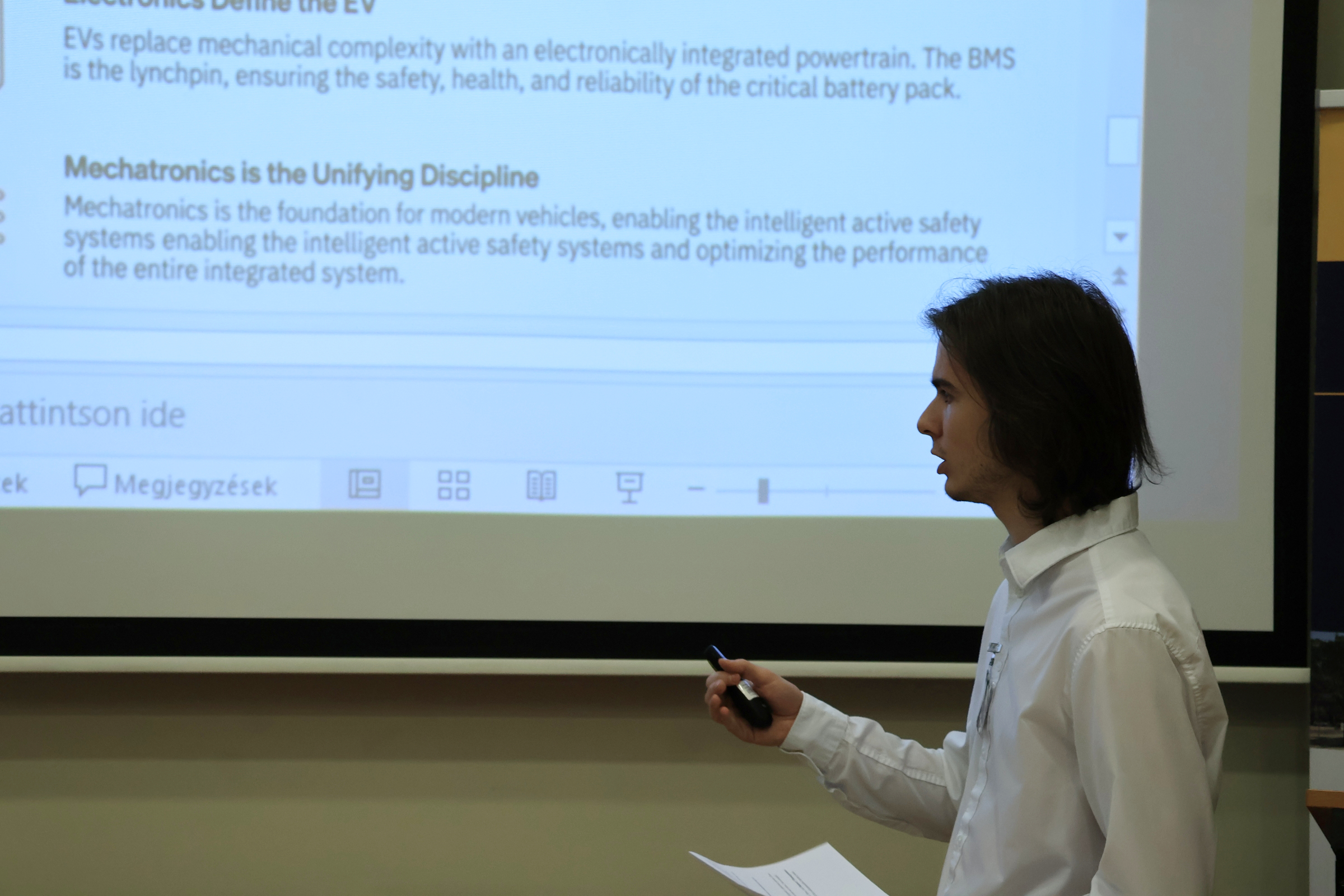
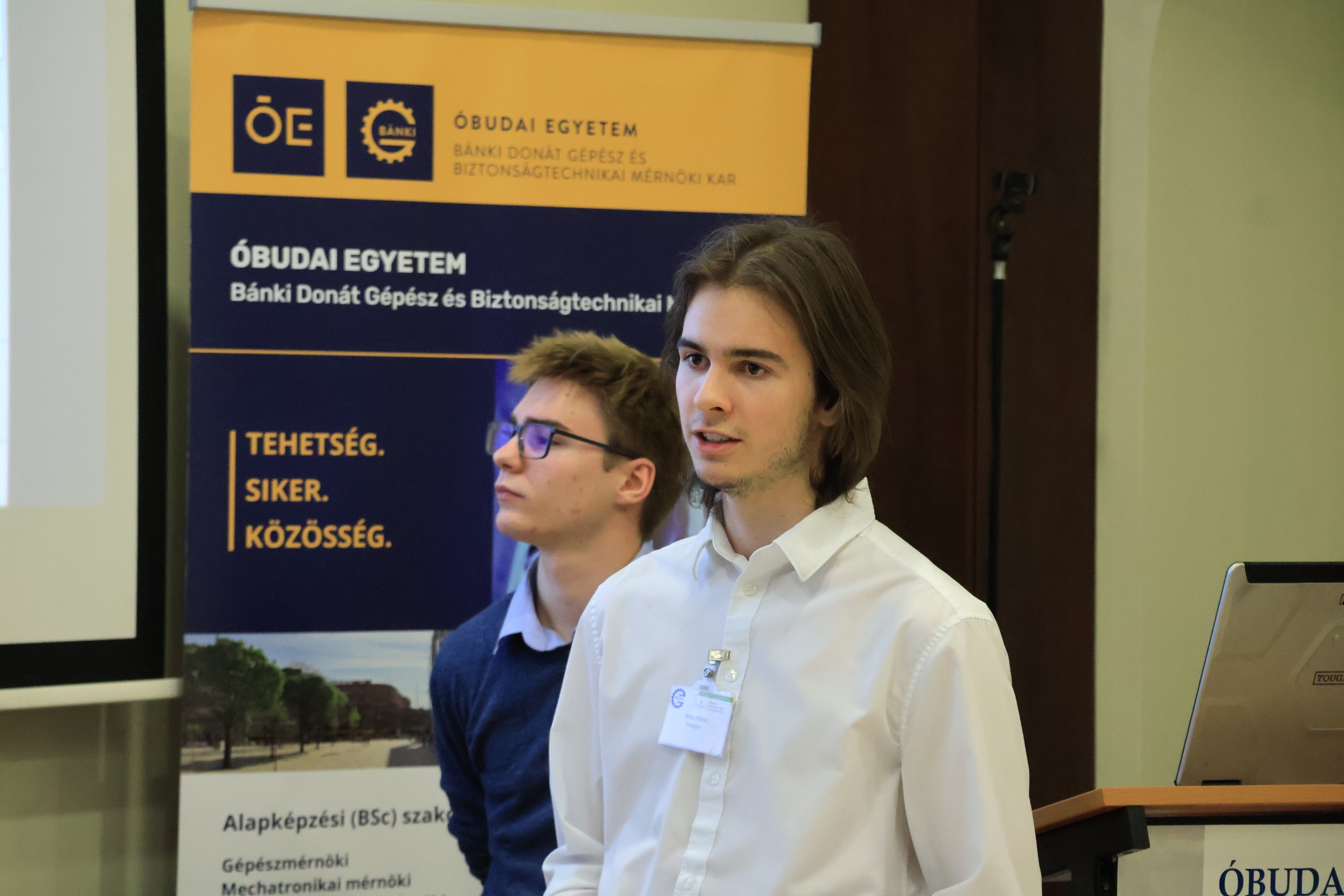
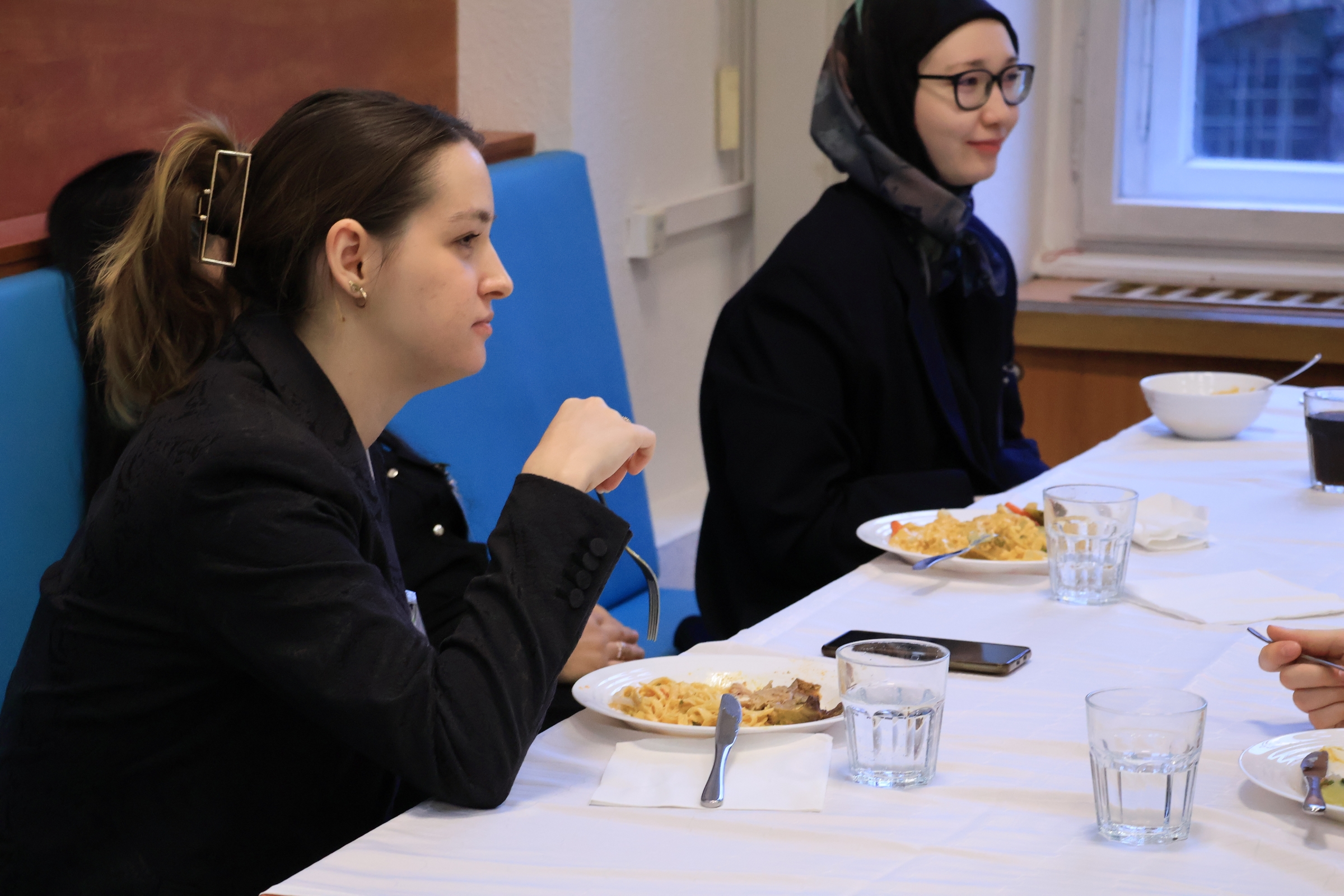
Presentations were organised into two parallel offline sections, each featuring 12 talks. Each section had a chair responsible for evaluating the presentations and selecting the best in their section. Midway through the sessions, refreshments including sandwiches, coffee and soft drinks were served, and at the end of the sessions, participants enjoyed a buffet-style lunch in the university’s main dining hall.
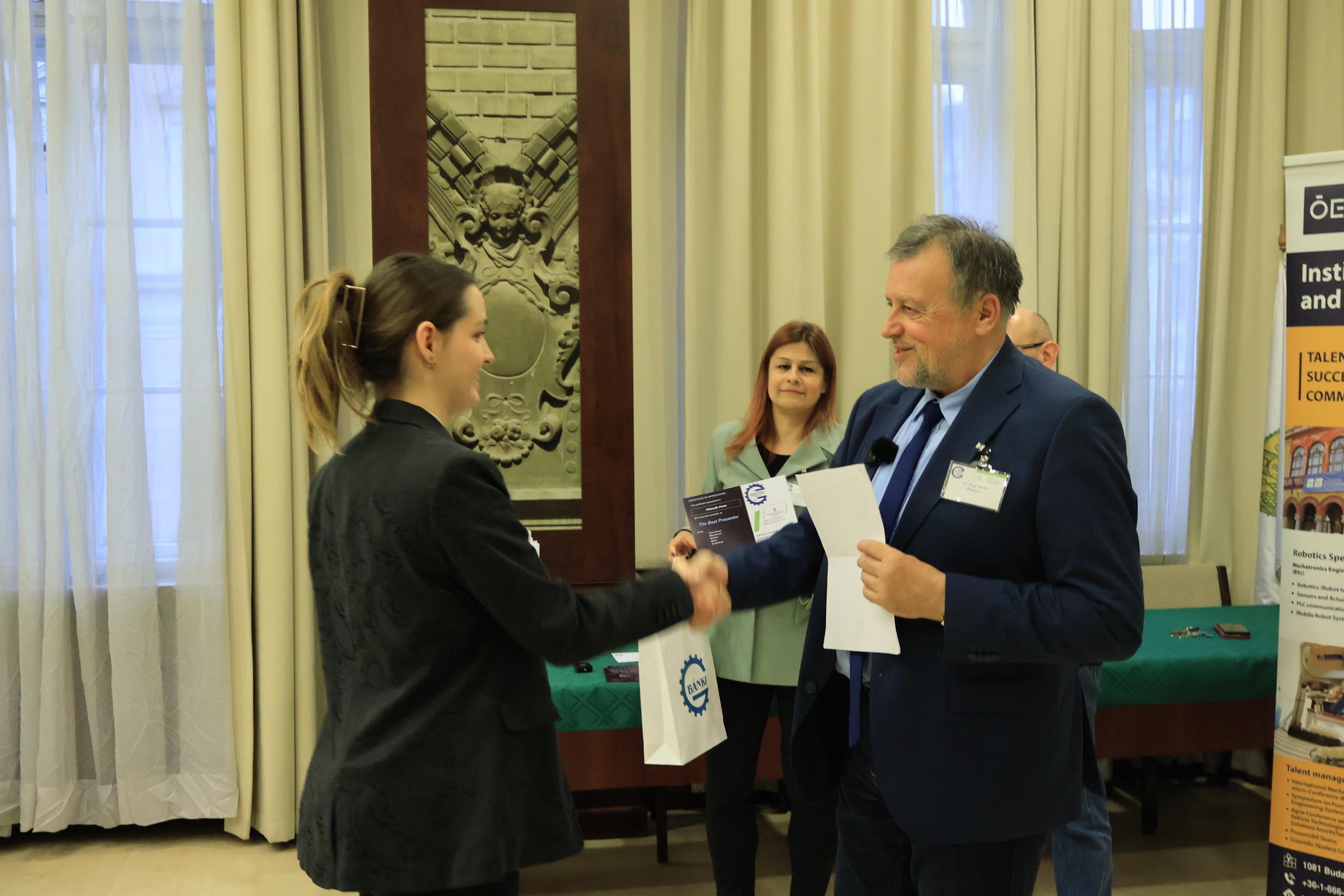
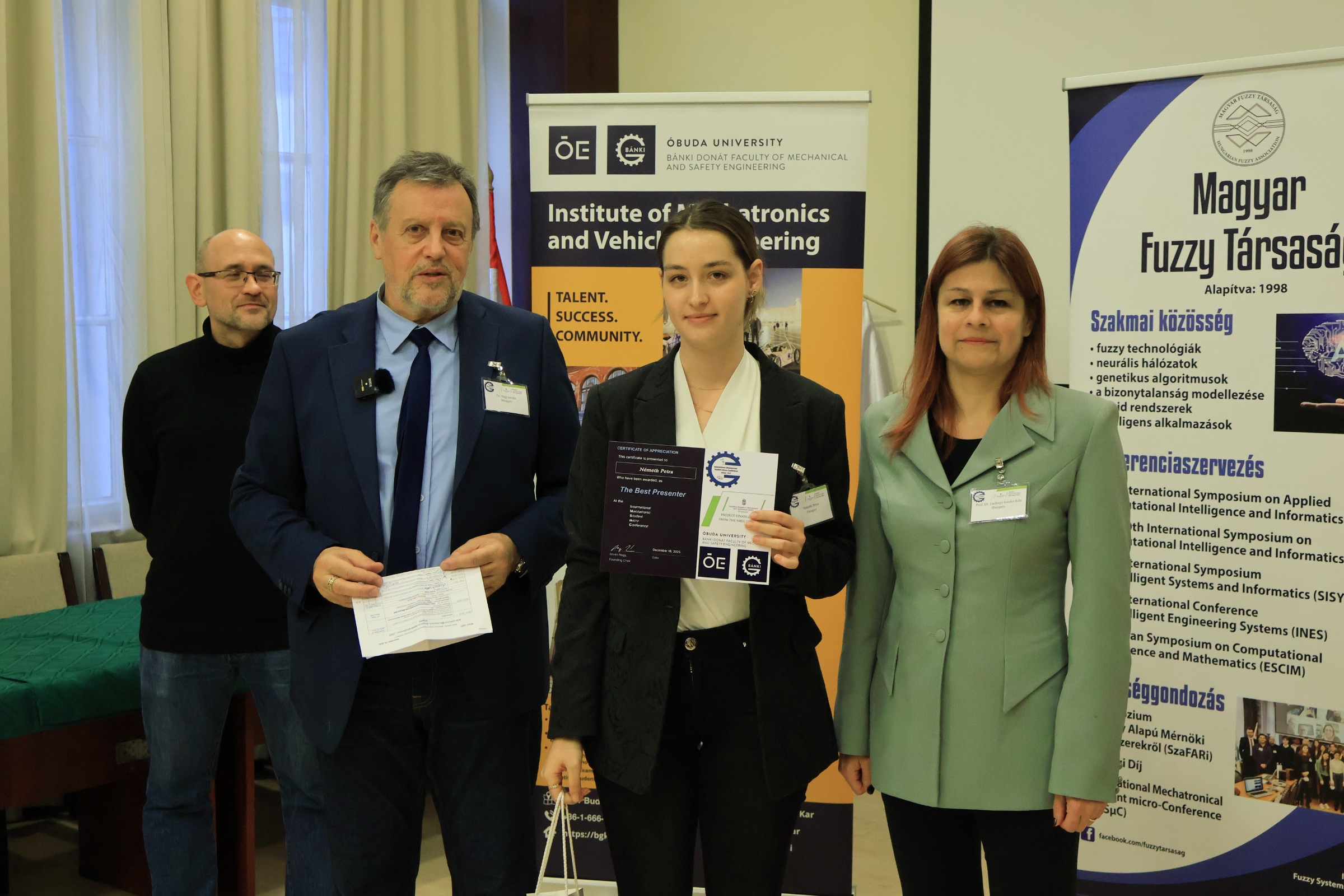
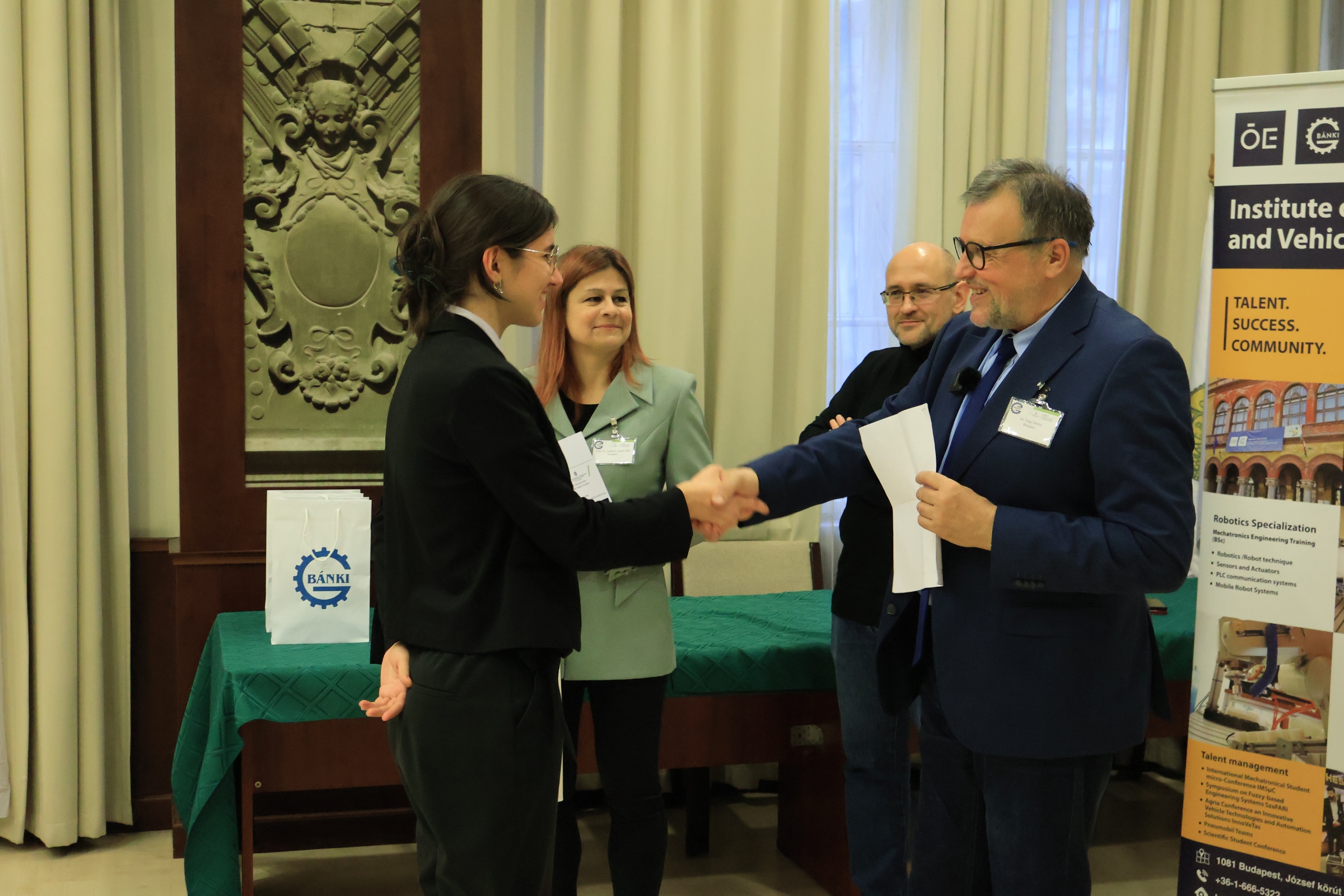
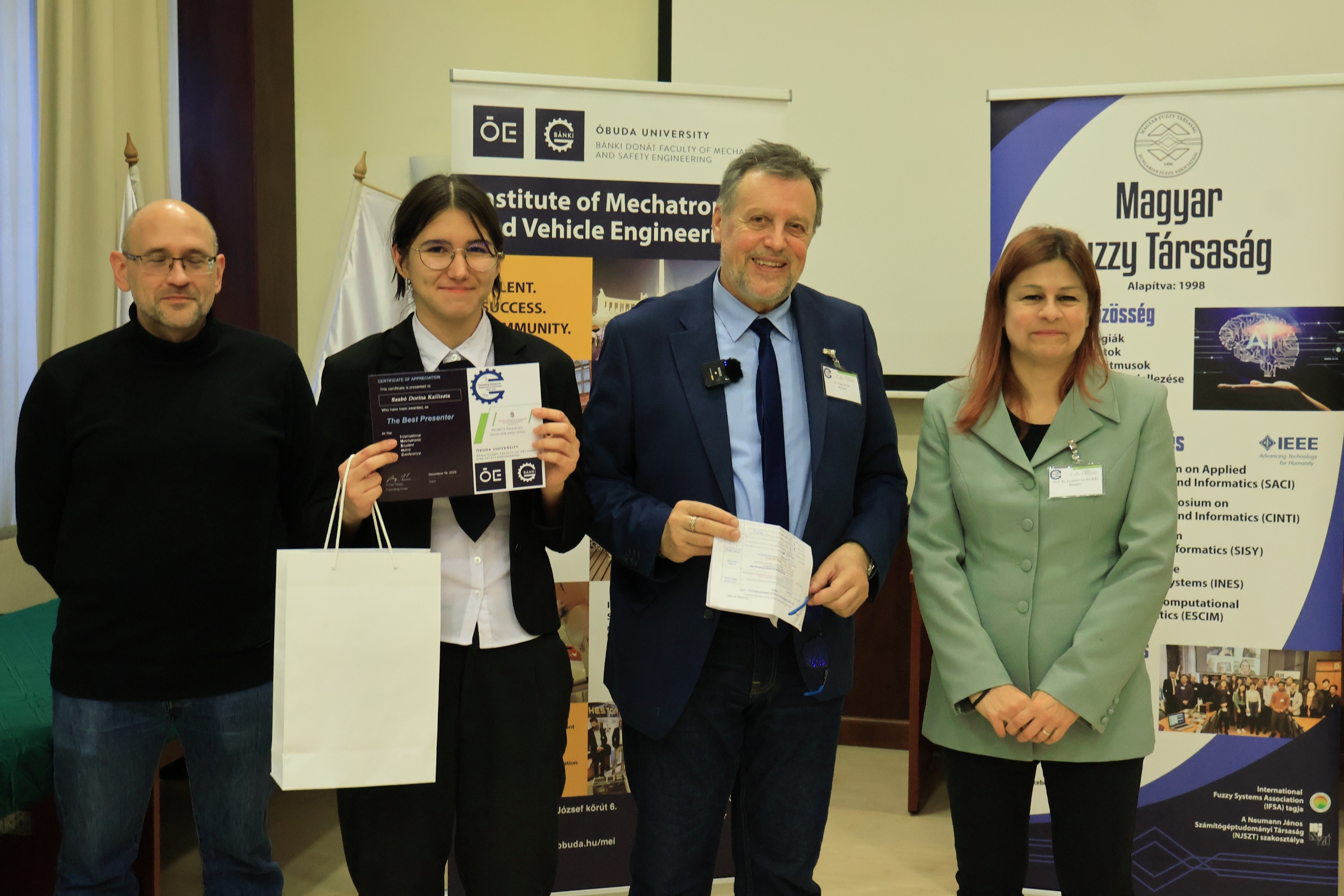
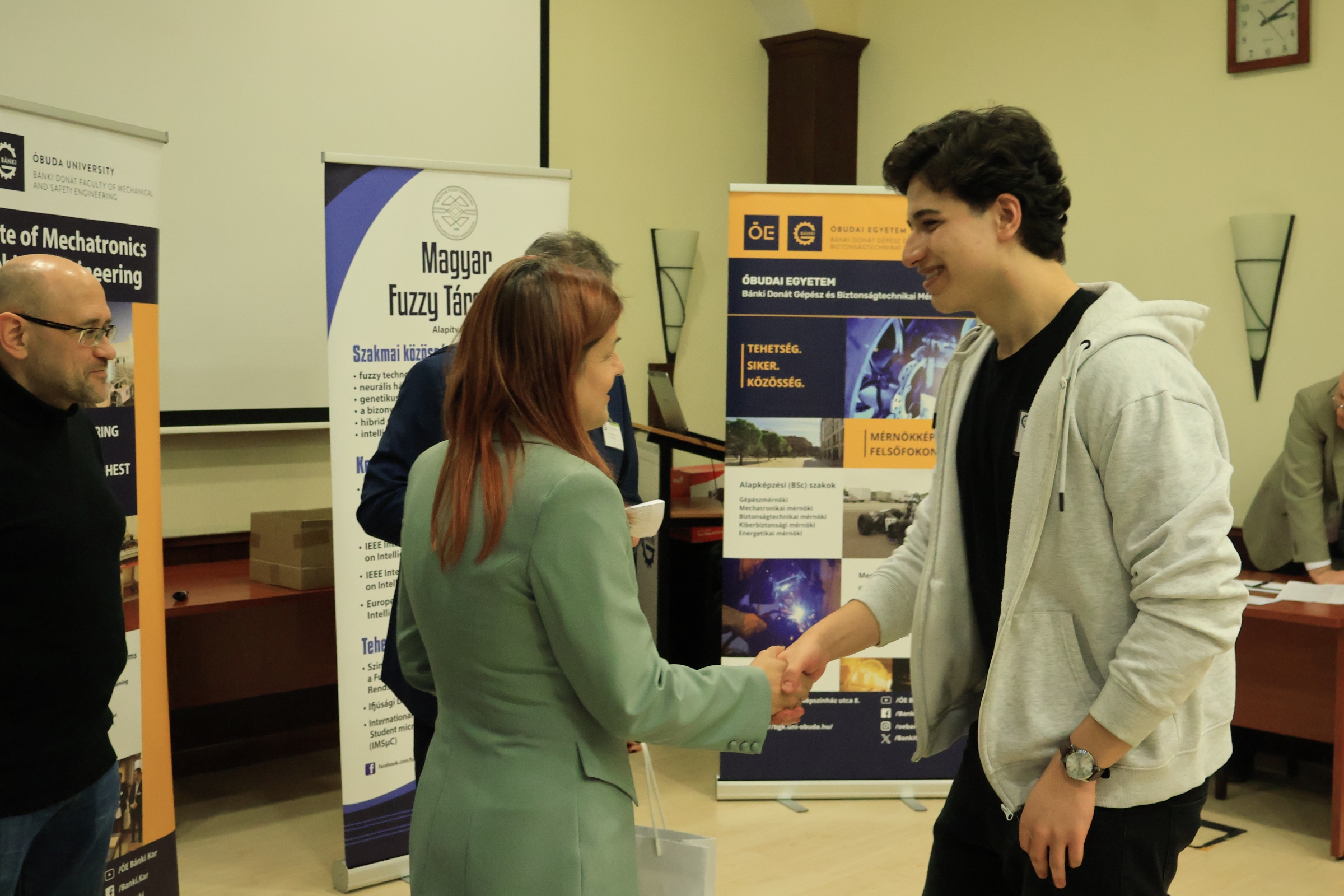
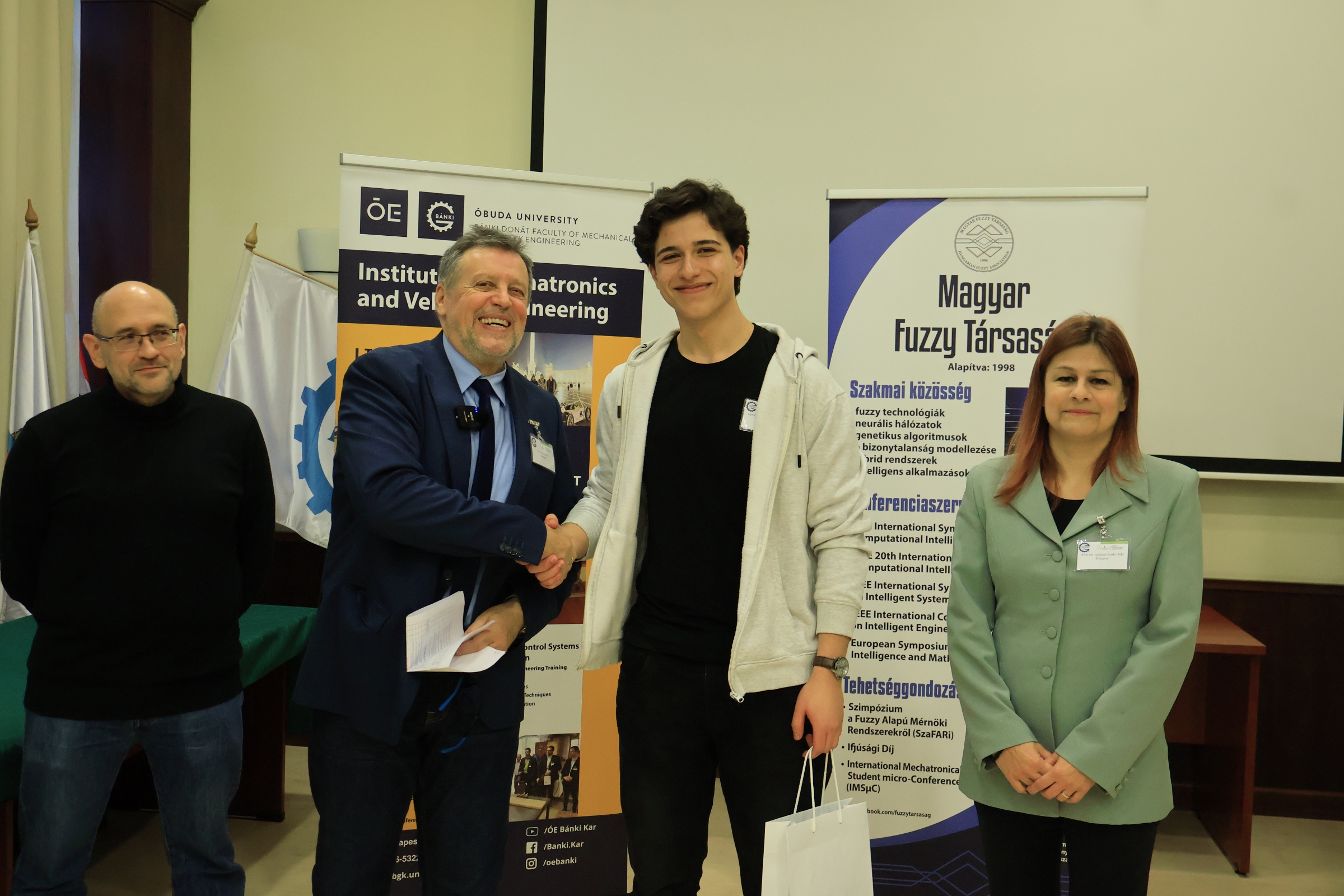
At the conclusion of the conference, section chairs awarded prizes for the best presentations. Four awards were presented, the fourth being a shared author and presenter prize:
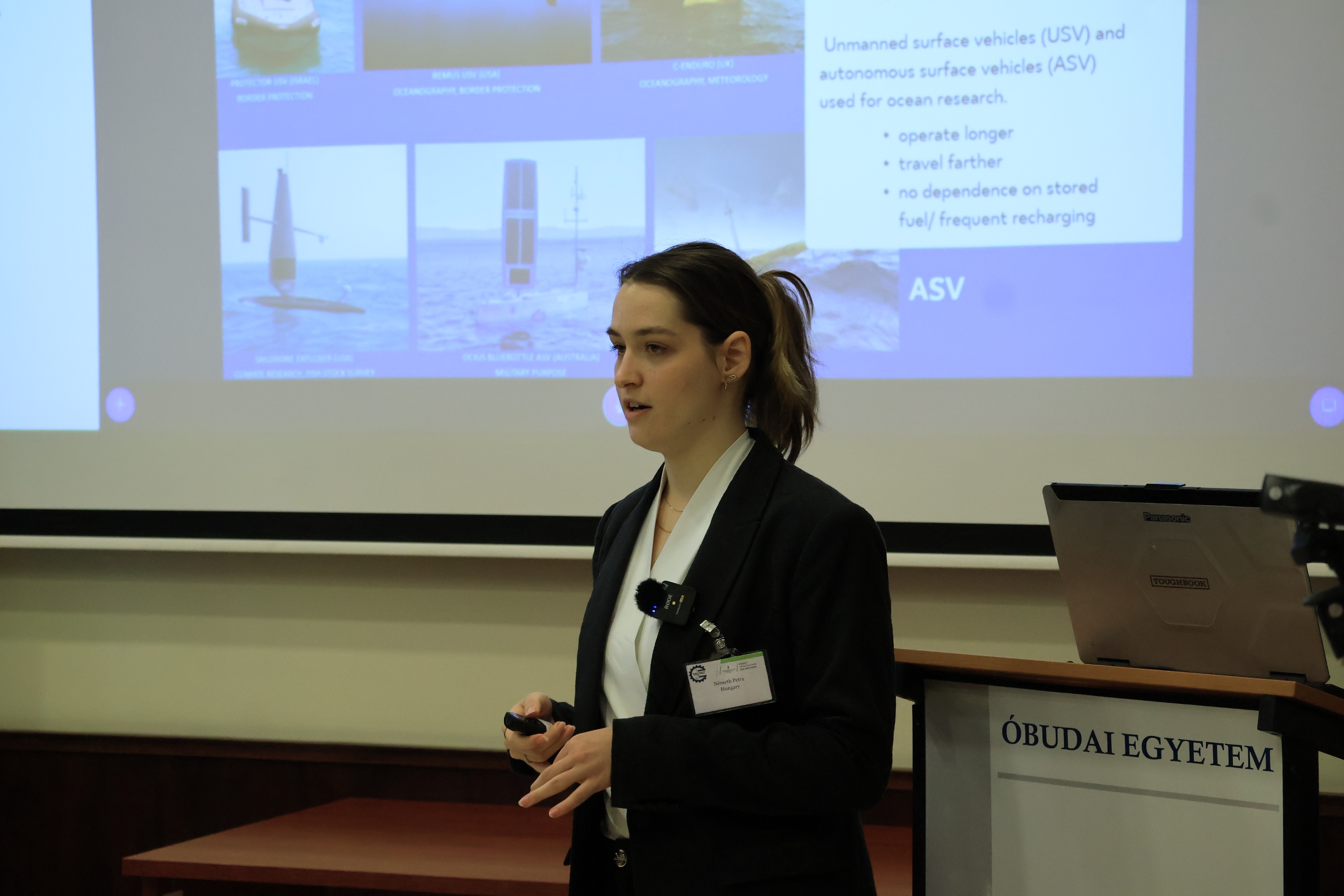
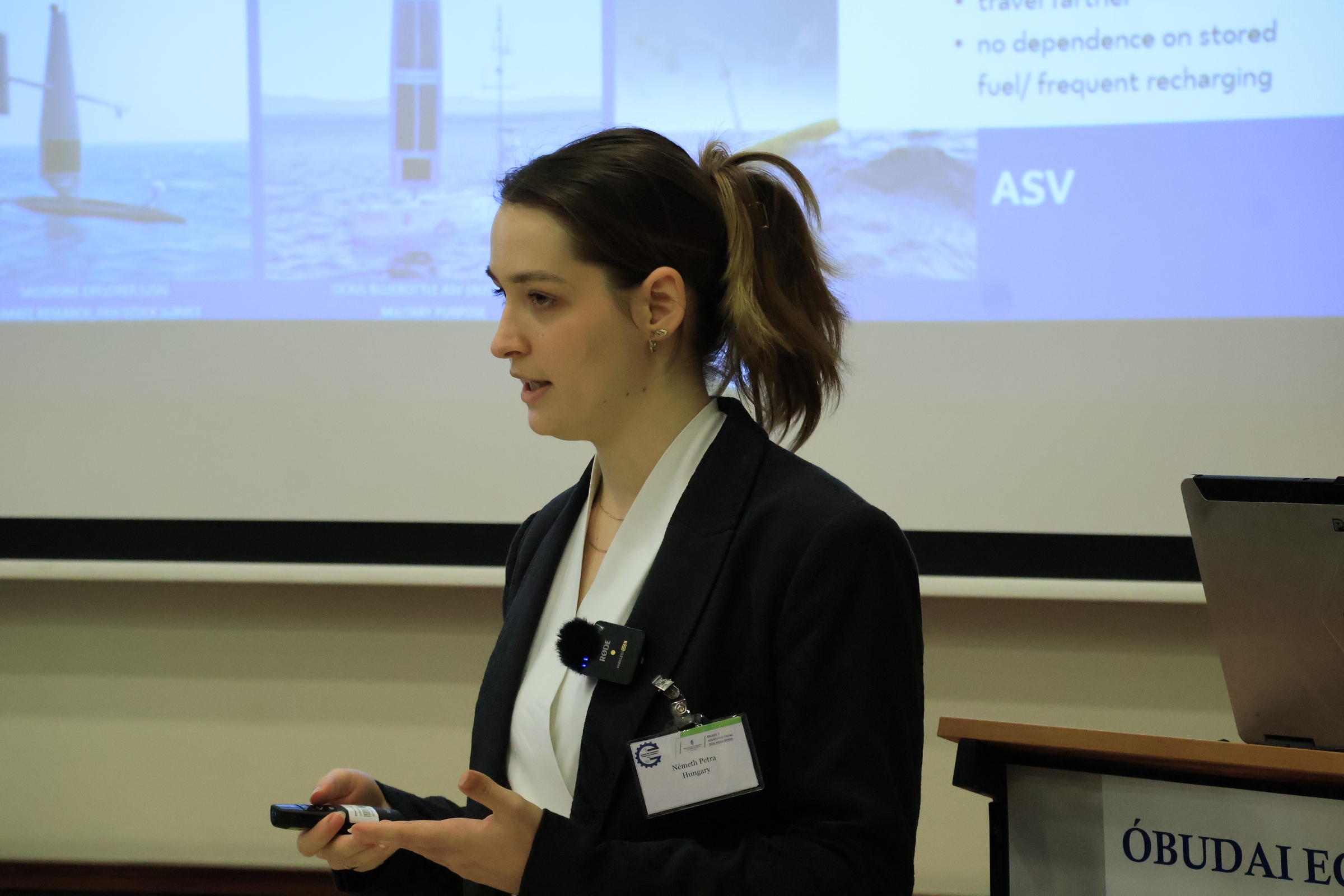
- Petra Németh: Adapting Ocean Waves: Innovative System for Wave Energy in Marine Robotics (Section 1a, Chair: Dr István Nagy)
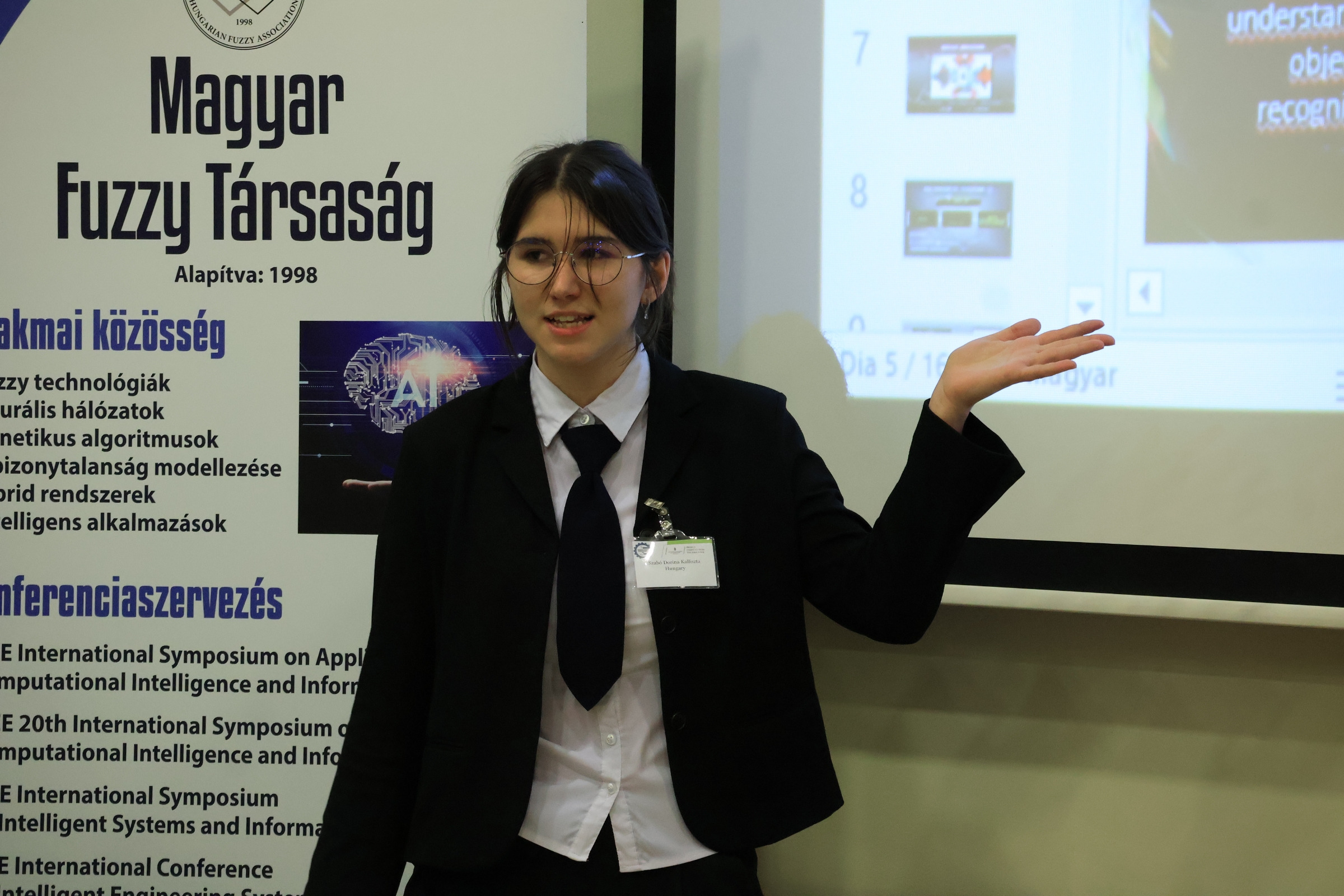
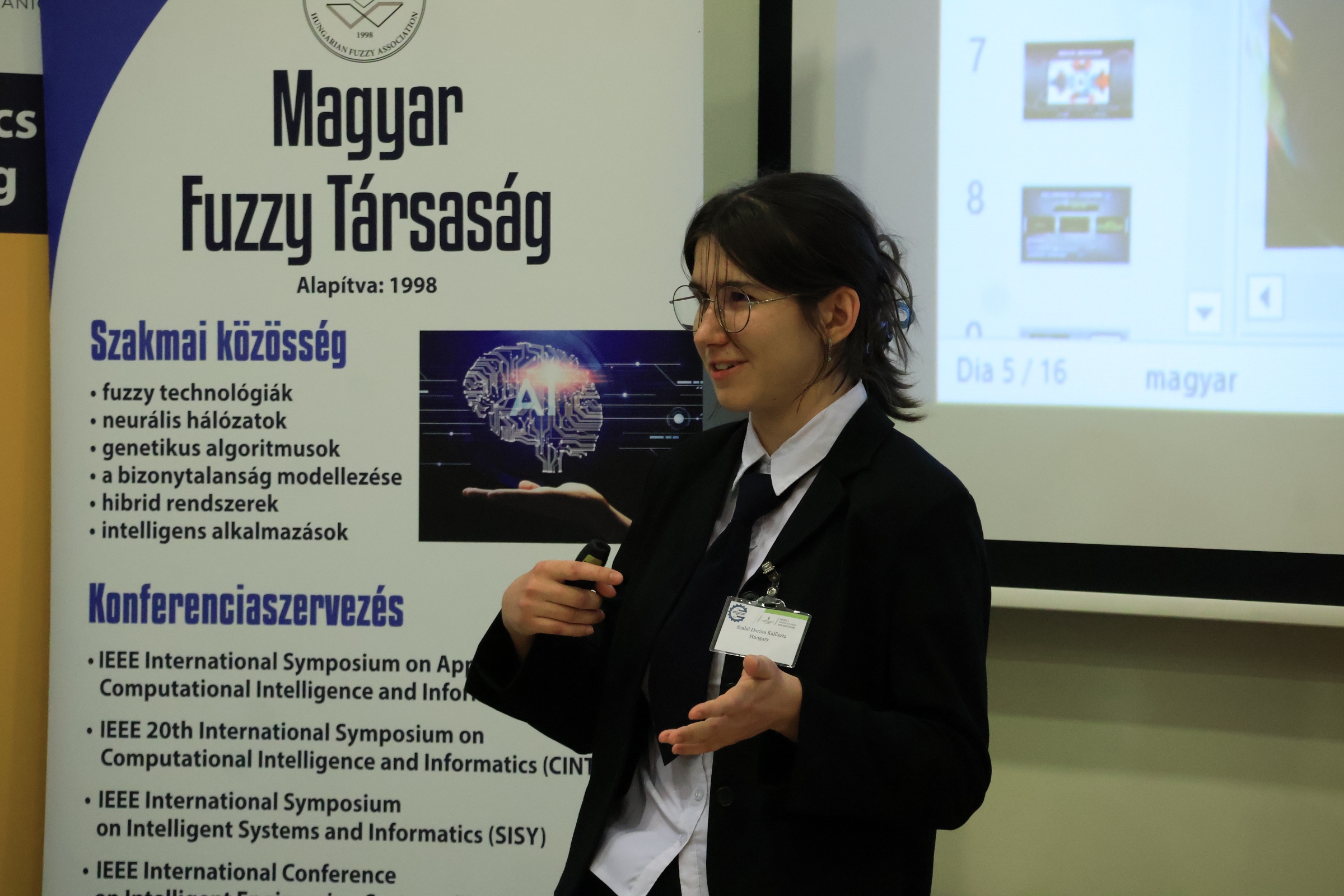
- Dorina K. Szabó: Mechatronic Systems in EVs: Enhancing Efficiency and Control Through AI and Sensor Integration (Section 1b, Chair: Dr Tamás Szakács)
- M.E.A. Hamdan: Neuro-Fuzzy Adaptive Path Planning and Global Autonomous Target Tracking in UAVs (Section 2a, Chair: Prof. Dr Edit Ludányi-Laufer)
- Hedi S., R. Bourogaa: Mechatronics in Aeronautics, Autonomous Bird-Strike Avoidance Sensor Module (Section 2b, Chair: Dr habil András Frigyik)
The conference would not have been possible without financial support. Our deepest gratitude goes to the NKFI Office, the Hungarian Fuzzy Society – a loyal supporter for four years – as well as the Bánki Faculty and its Dean’s Office for providing the venues. Special thanks are also due to the Institute of Mechatronics and Vehicle Technology, whose team worked together like a family to make this event a success.
We hope this conference series will continue and that next year we can welcome even more participants, involve additional international universities and offer an even richer programme.
See you next year!
Further details (photos, presentations, videos) remain available on the conference website.
Dr. István István
Founding Chair