Project RUBIK Students Present Their Experiment in the Netherlands
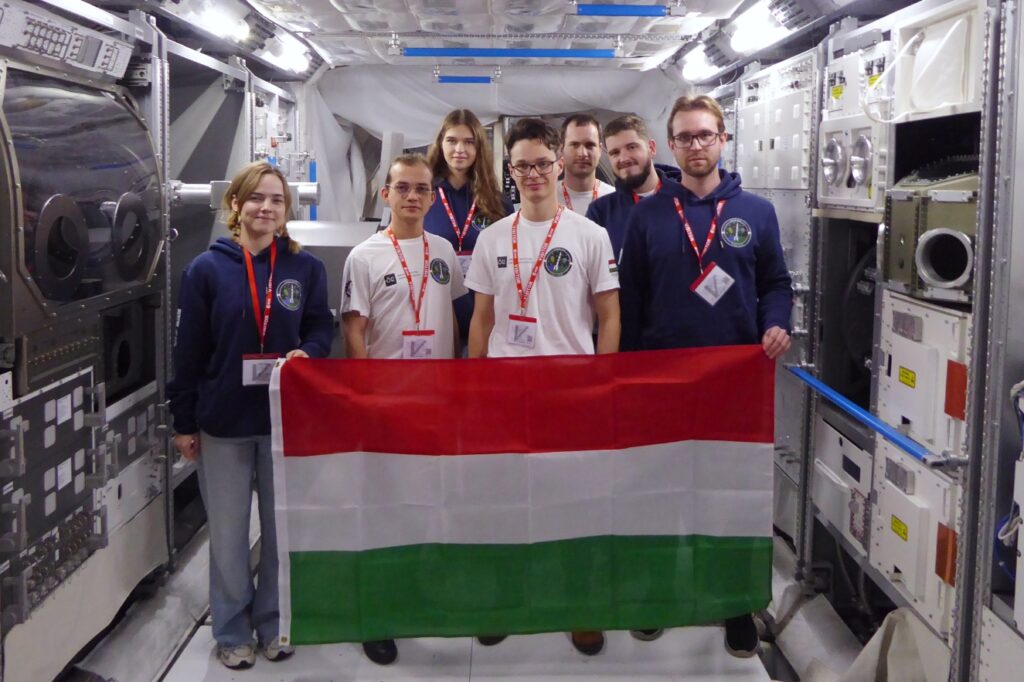
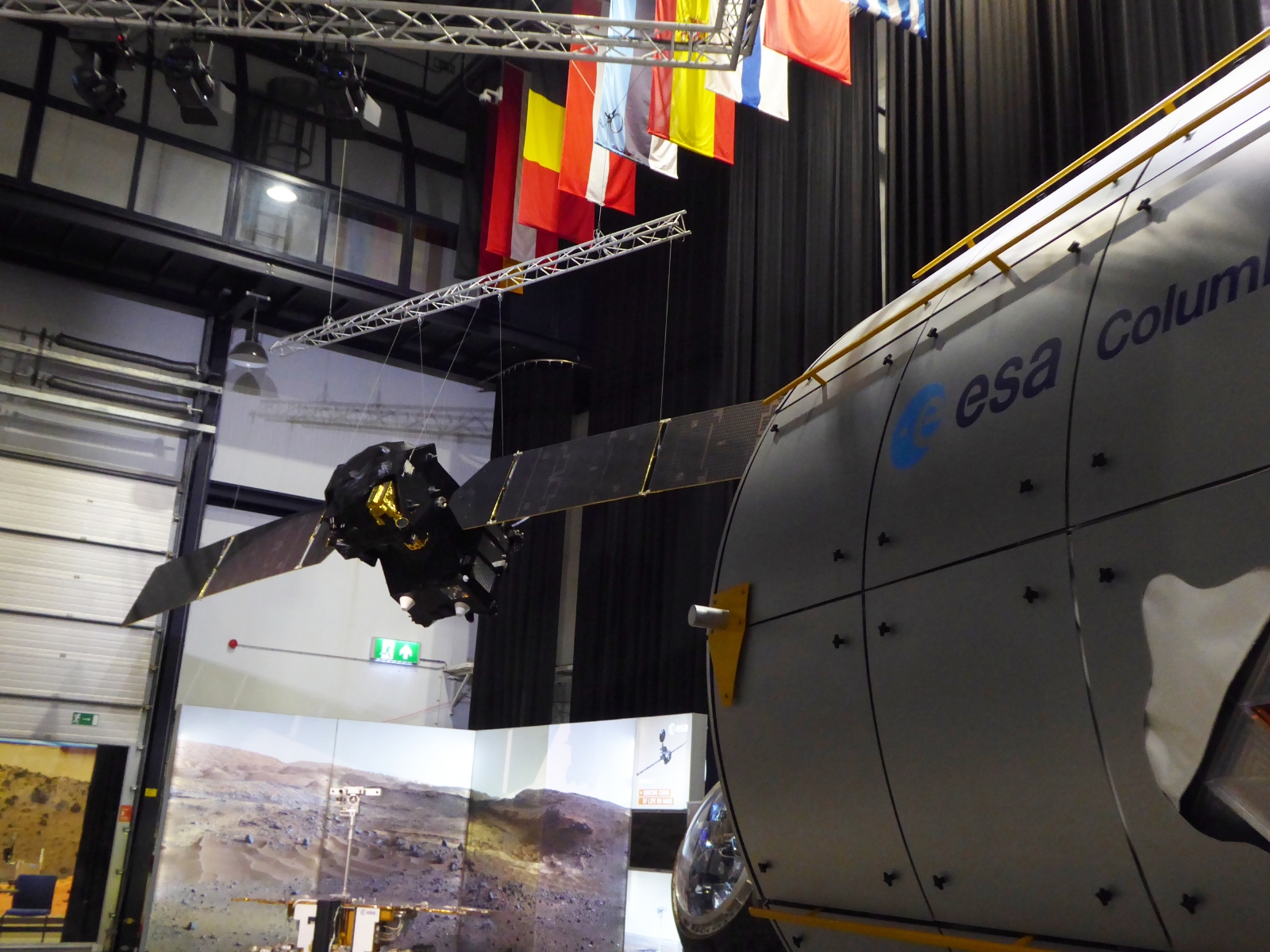
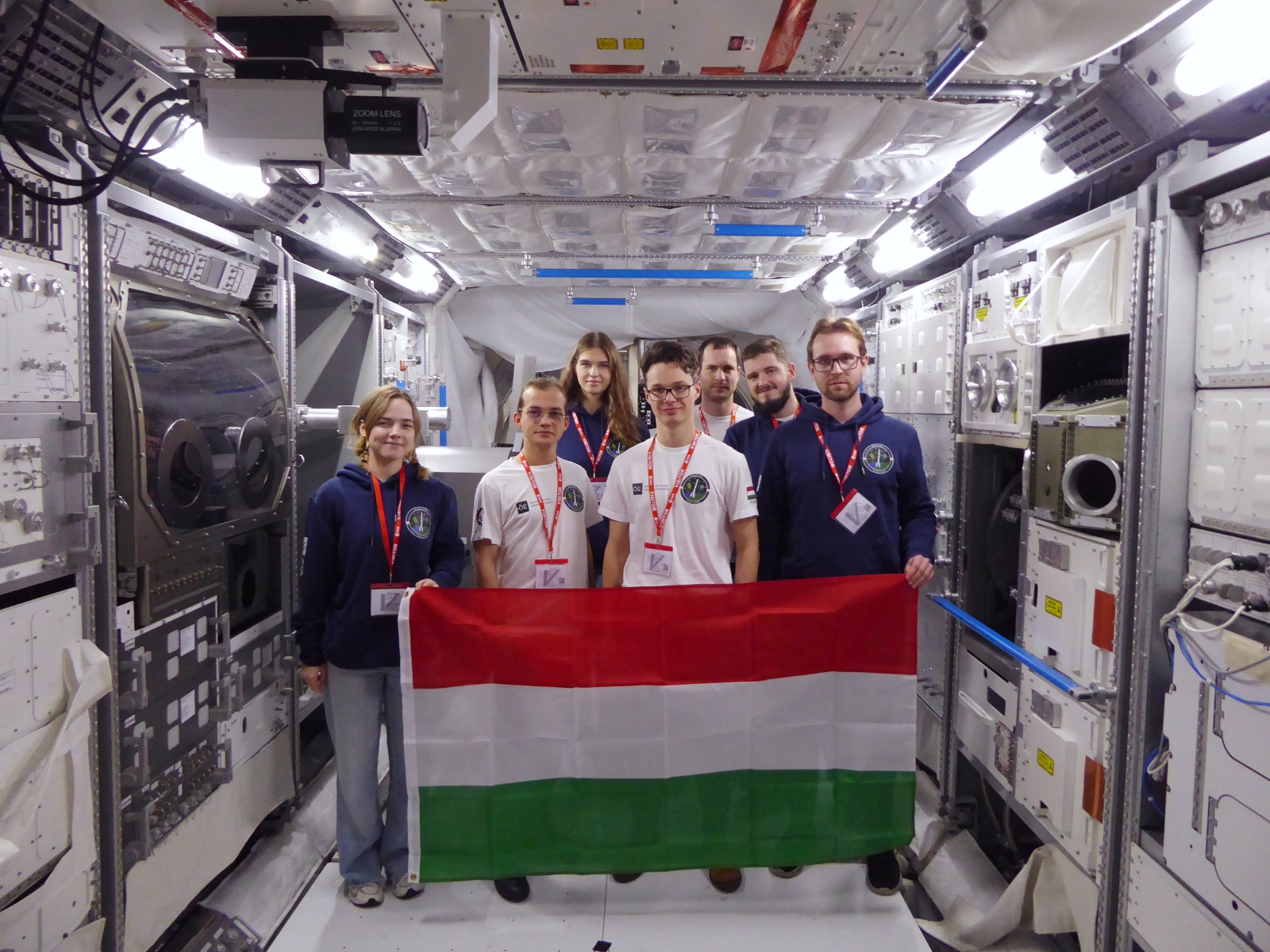
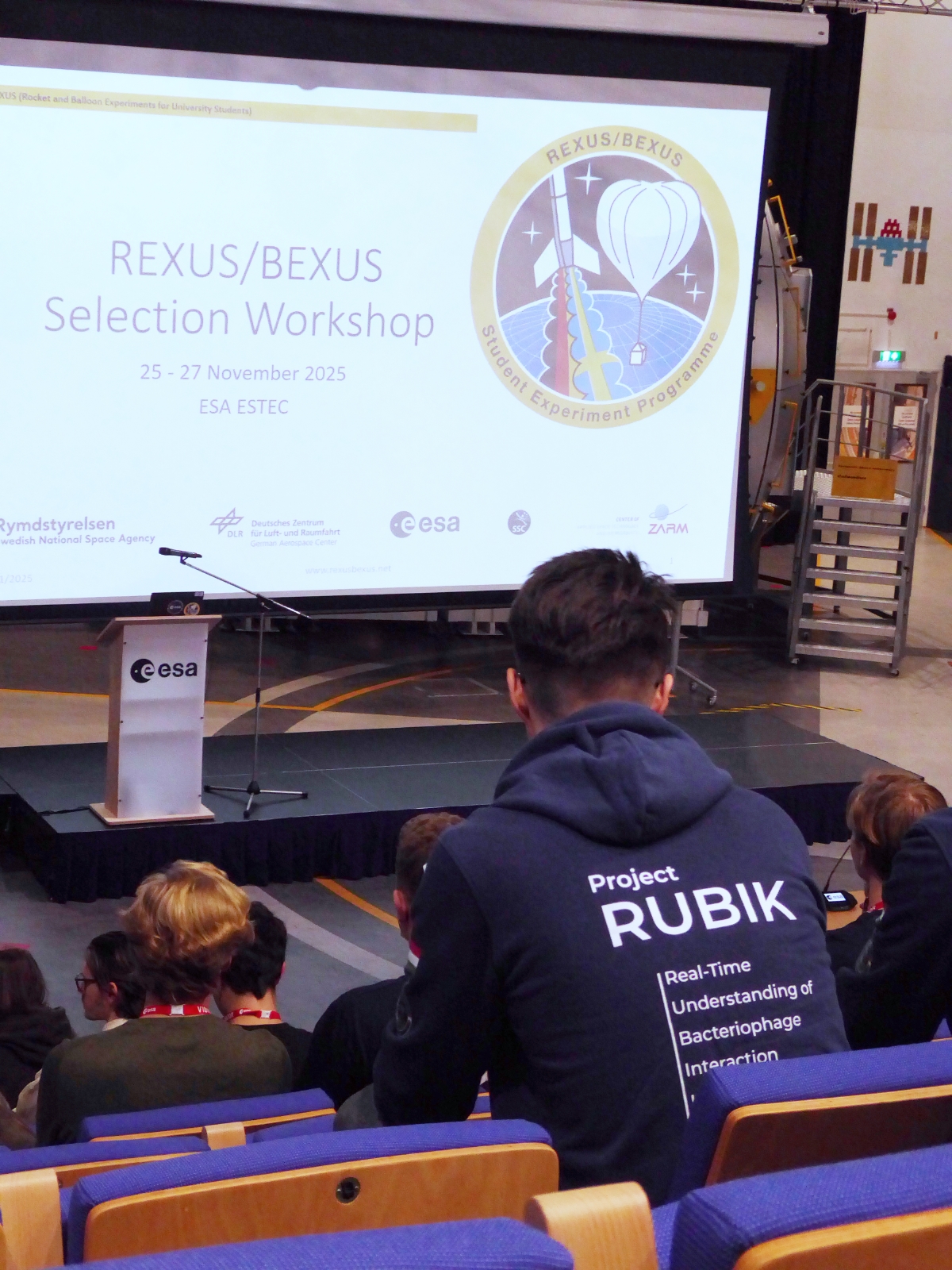
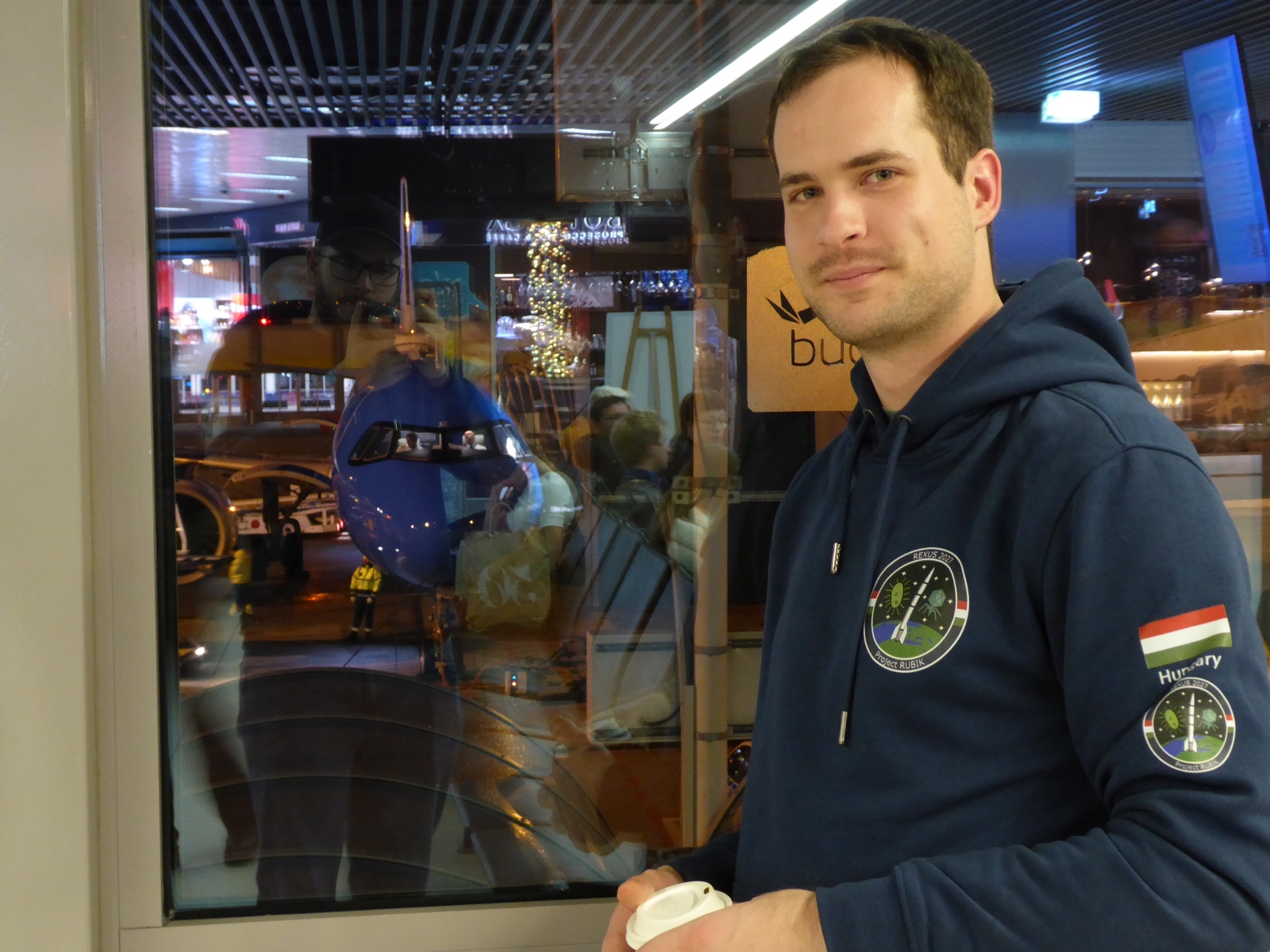
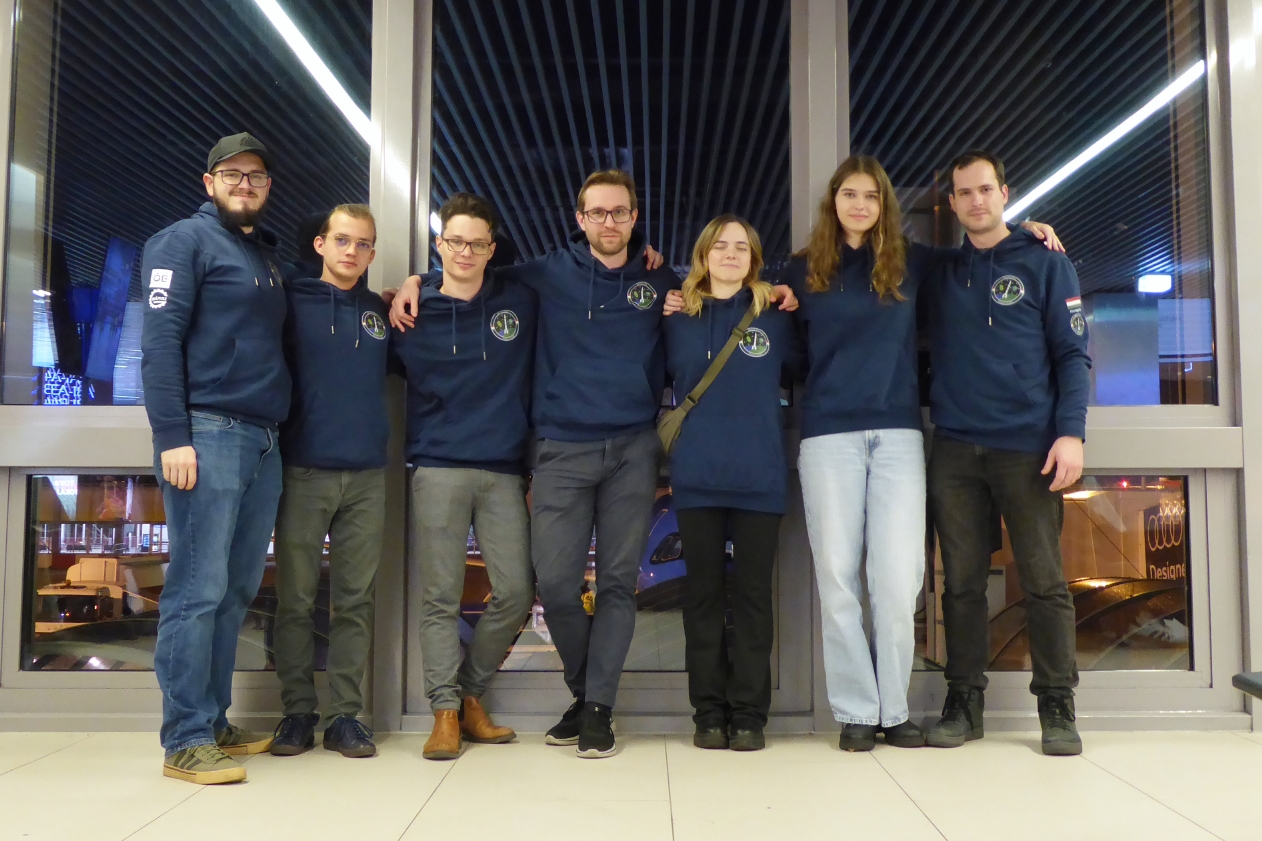
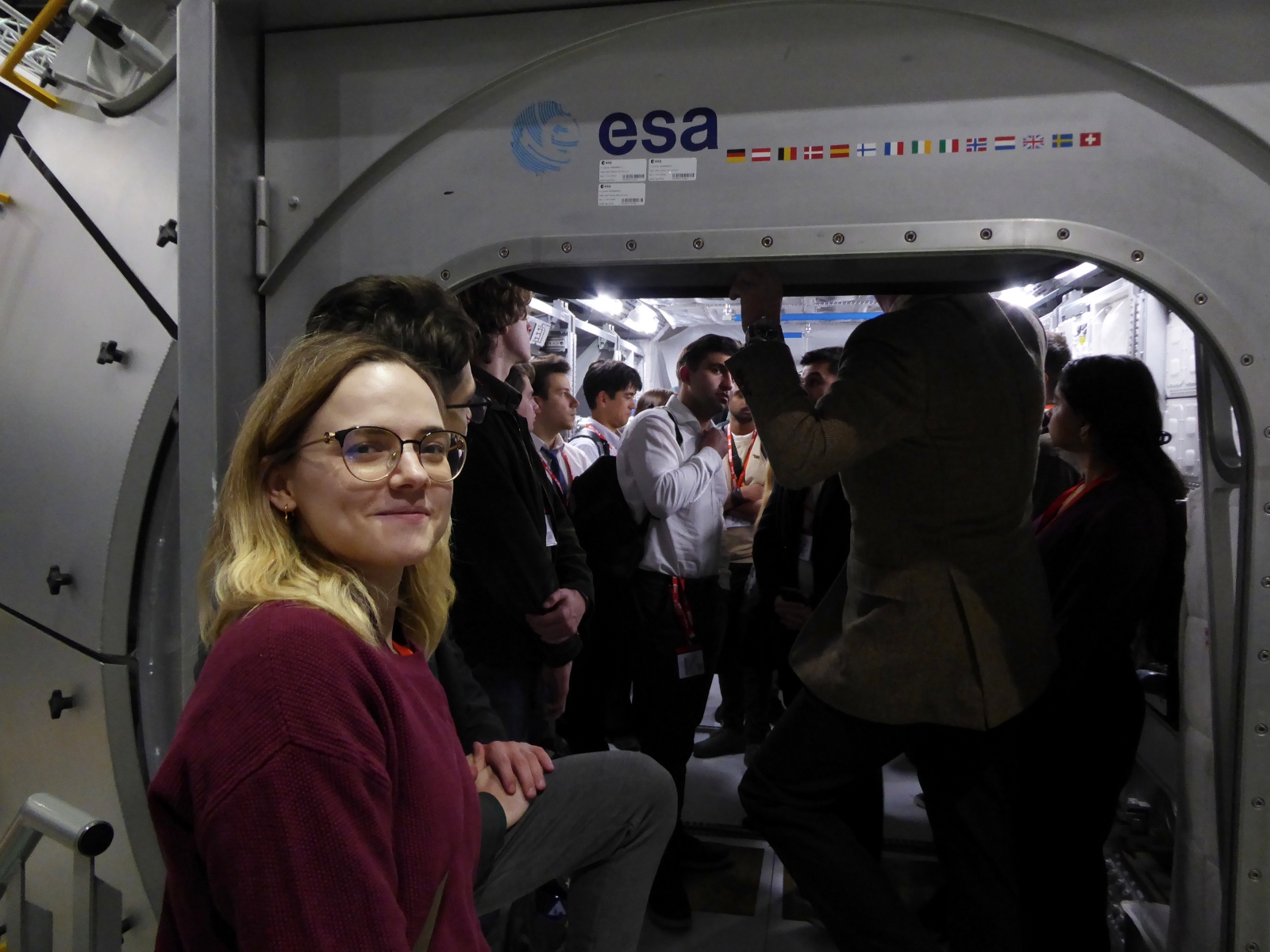
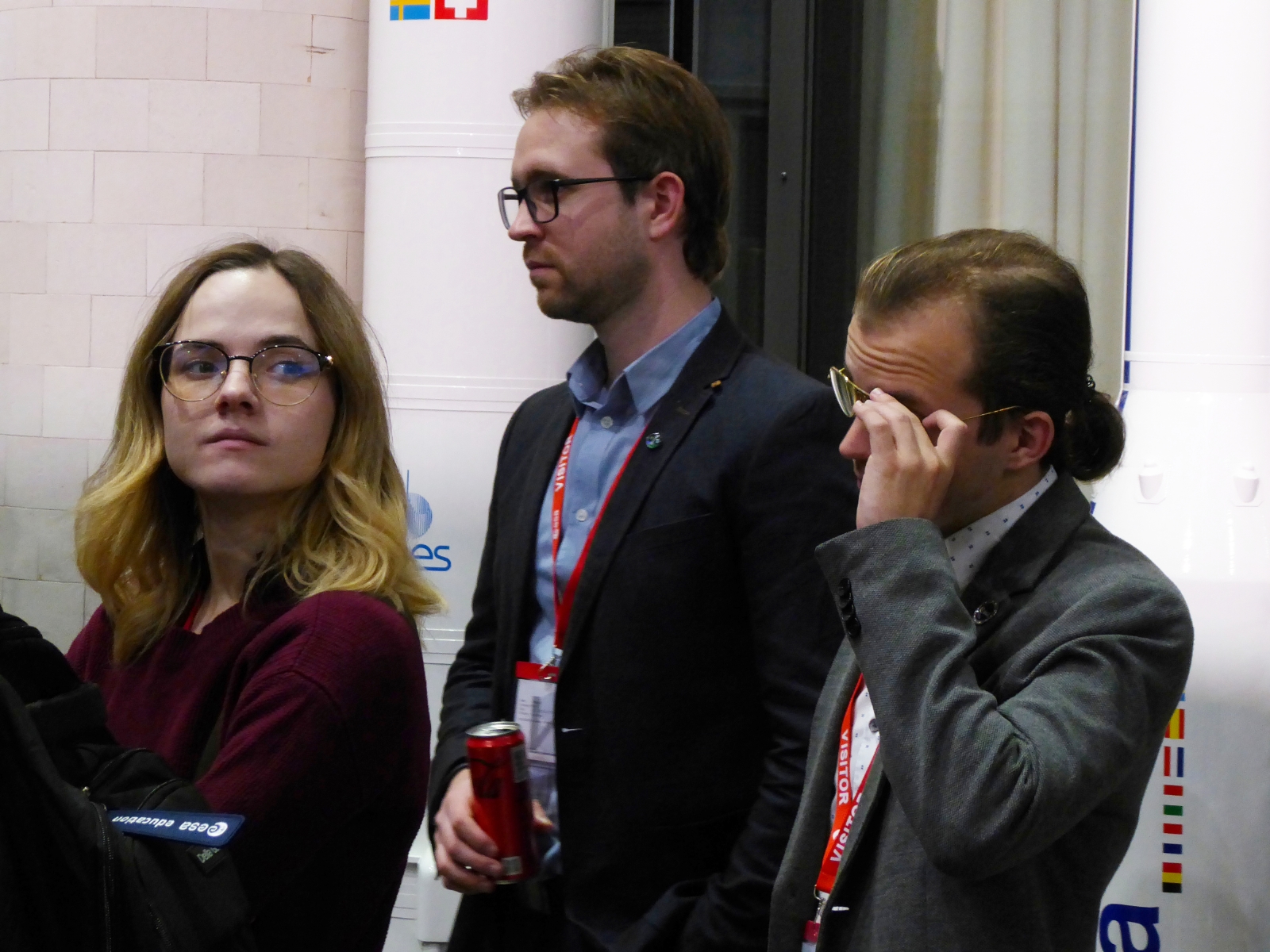
This week, the Project RUBIK team traveled to Noordwijk, Netherlands, to participate in the REXUS/BEXUS Cycle 17 Selection Workshop at ESA ESTEC (European Space Research and Technology Centre).
The workshop served as the official pre-selection event of the European Space Agency (ESA), where young research teams presented their experiments to a professional jury. The best-rated projects may be launched to the edge of space aboard REXUS research rockets, reaching heights of approximately 90 km, with support from ESA, the German Aerospace Center (DLR), and the Swedish National Space Agency (SNSA).
The RUBIK experiment is an autonomous microbiological laboratory that studies the interaction between E. coli bacteria and the T7 bacteriophage under microgravity conditions—literally in space!
According to the students involved:
“It was an incredible experience to present our project to ESA experts, and we felt honored to represent Hungary, Óbuda University, and the Bánki Faculty at this high-level international event.”
We congratulate the team on their successful presentation and cheer them on for the next stage of the selection!
What is Project RUBIK?
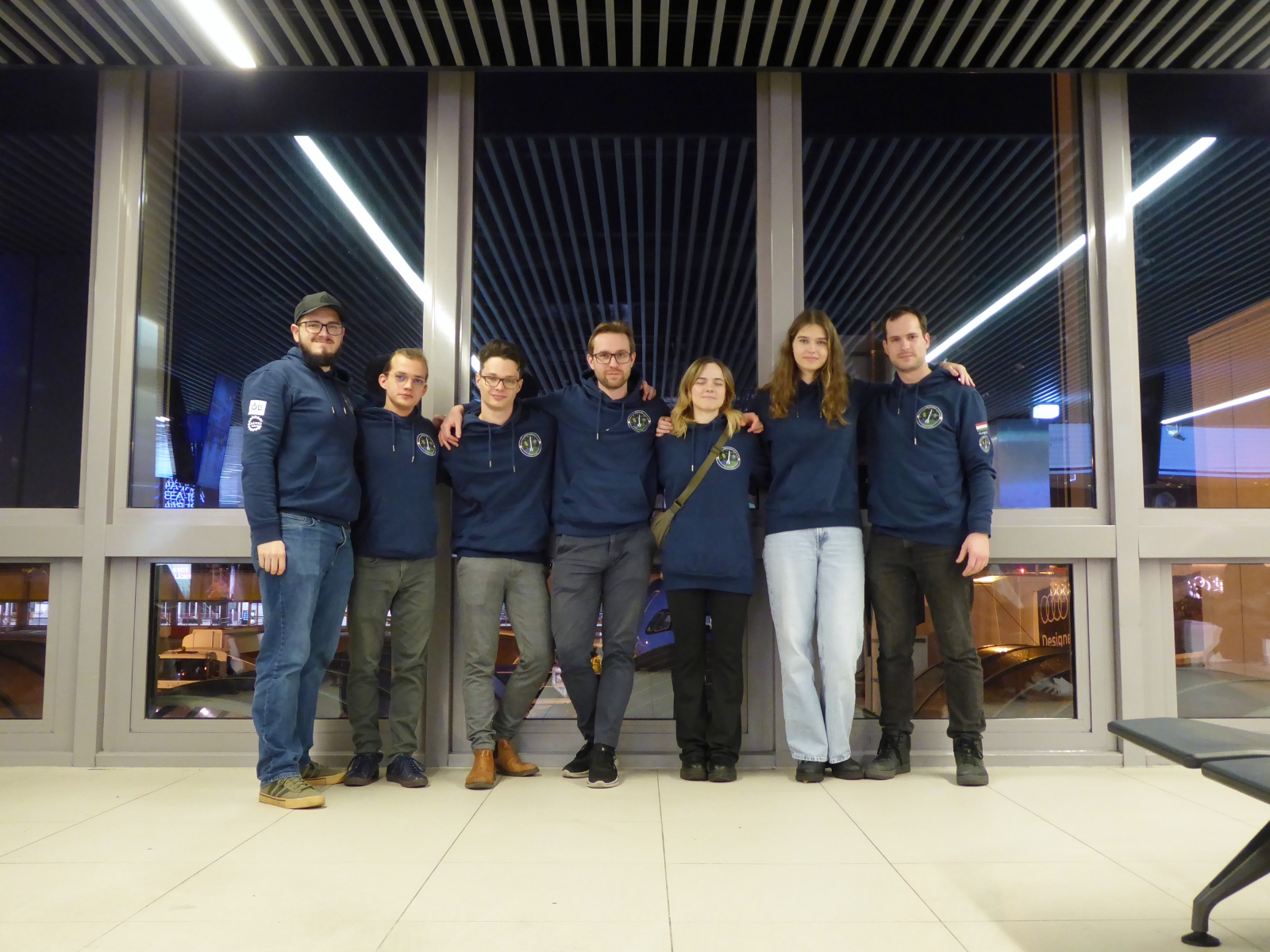
Students from Obuda University, Budapest University of Technology and Economics (BME), and Semmelweis University collaborate on a joint research project within the REXUS/BEXUS program, a joint initiative by ESA, DLR, and SNSA. The program gives university students the opportunity to launch their own experimental setups on high-altitude rockets, providing hands-on experience in designing, developing, and operating systems destined for space. The RUBIK project, primarily supported by Obuda University, brings together Hungary’s most active university students in space research. The team is led by an MSc student in electrical engineering from BME and an MSc student in defense engineering from Obuda University, while the biological research direction is headed by a medical student from Semmelweis University, who also serves as the project’s biological supervisor.